Platon Sudoku · Sudoku Study
Closed loops · Core Concepts
A chain becomes a loop when its final link returns to the starting candidate. Every link still needs verification.
This course is adapted from Platon Sudoku App. Read the complete example here, then continue learning and practising in the app.
View on Google PlayDefinition
A chain becomes a loop when its final link returns to the starting candidate. Every link still needs verification.
How to find it
Follow the links all the way around and verify the closing relation.
Common mistake
A rectangular shape without the final link remains an open chain.
Short chain
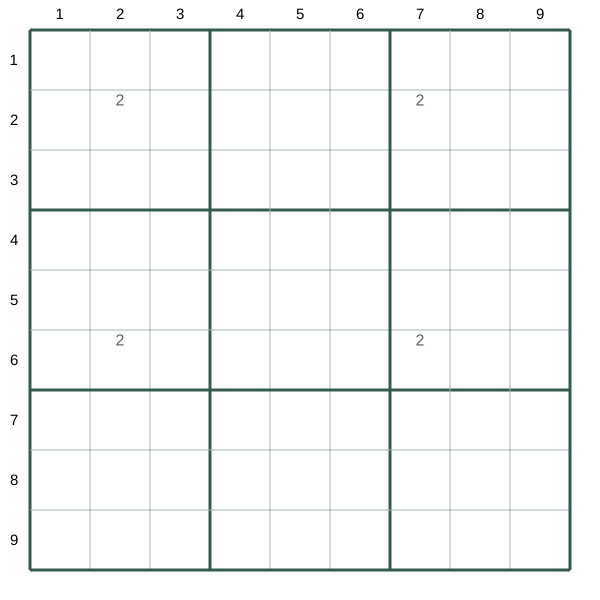
Teaching board · local candidate diagram
Observe candidates
A chain becomes a loop when its final link returns to the starting candidate. Every link still needs verification.
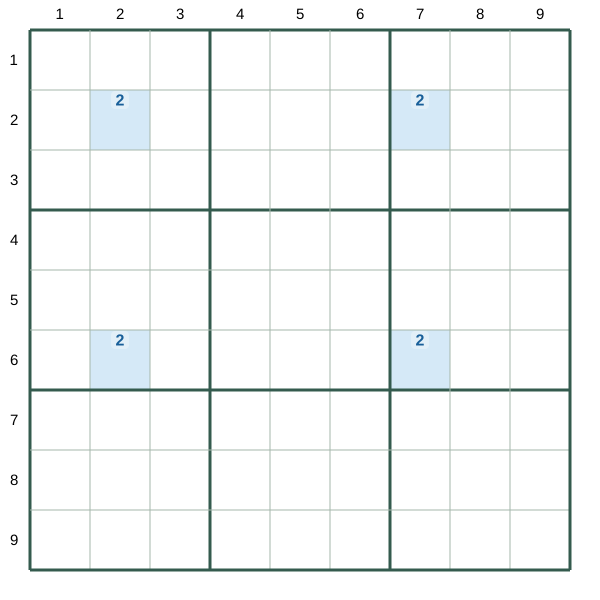
Verify the condition
Follow the links all the way around and verify the closing relation.
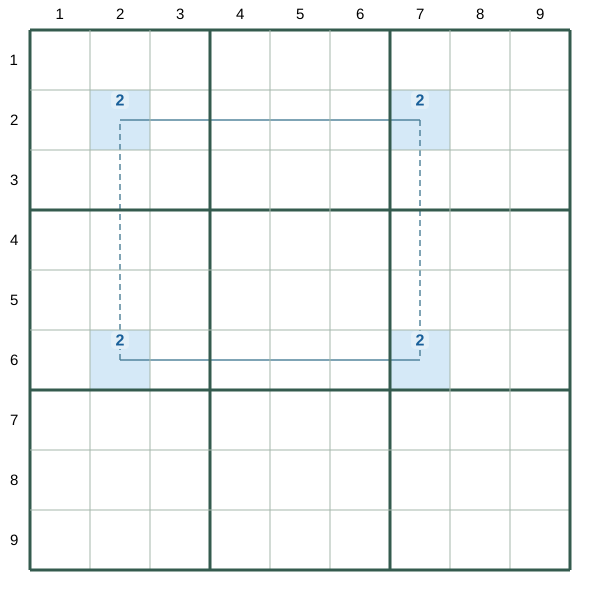
Draw the conclusion
After following every link, the final link returns to the starting candidate.
Long chain
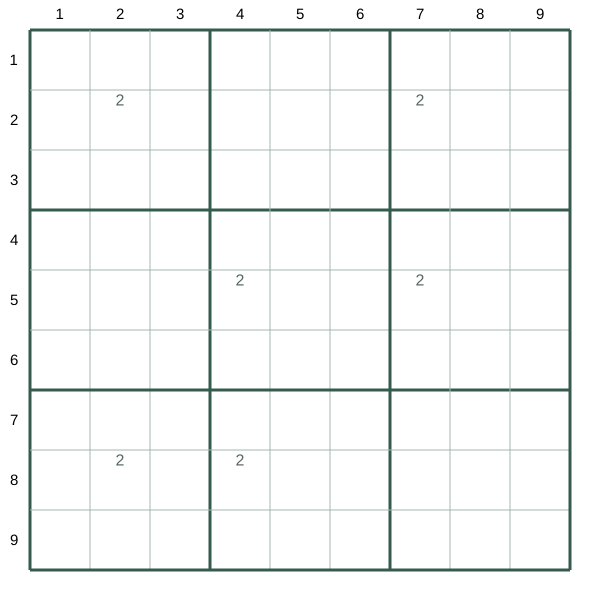
Teaching board · local candidate diagram
Observe candidates
A chain becomes a loop when its final link returns to the starting candidate. Every link still needs verification.
Verify the condition
Follow the links all the way around and verify the closing relation.
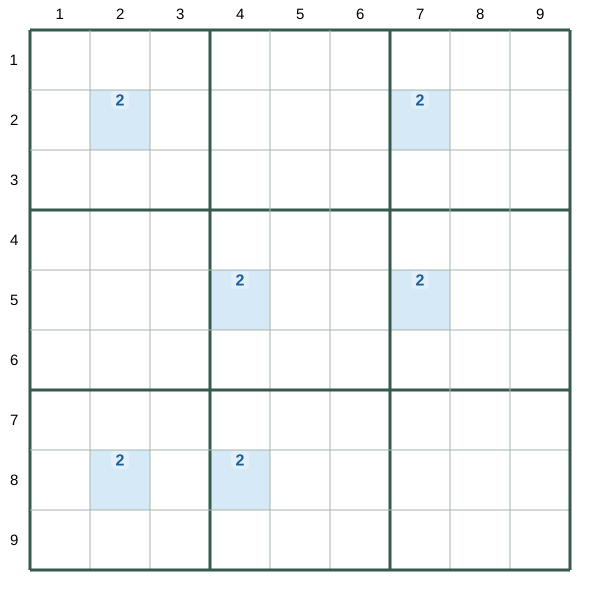
Draw the conclusion
After following every link, the final link returns to the starting candidate.
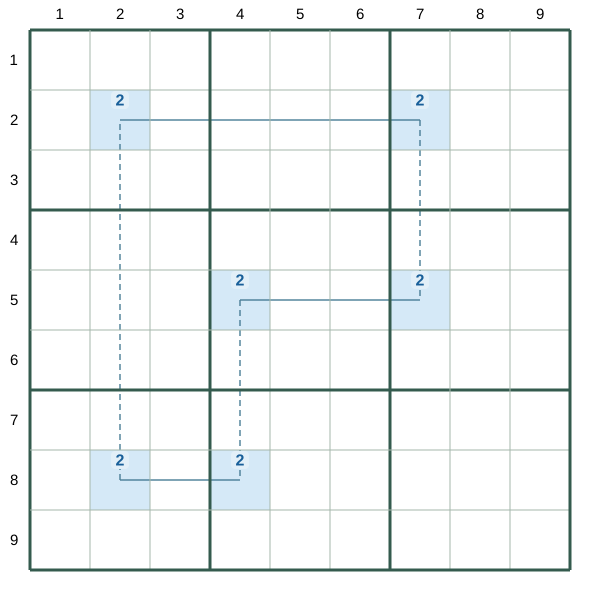
Recognition practice
Teaching board · local candidate diagram
Recognition practice 1
Does the last link close the loop at its start?
Draw the conclusion
Yes
Recognition practice 2
Does the last link close the loop at its start?
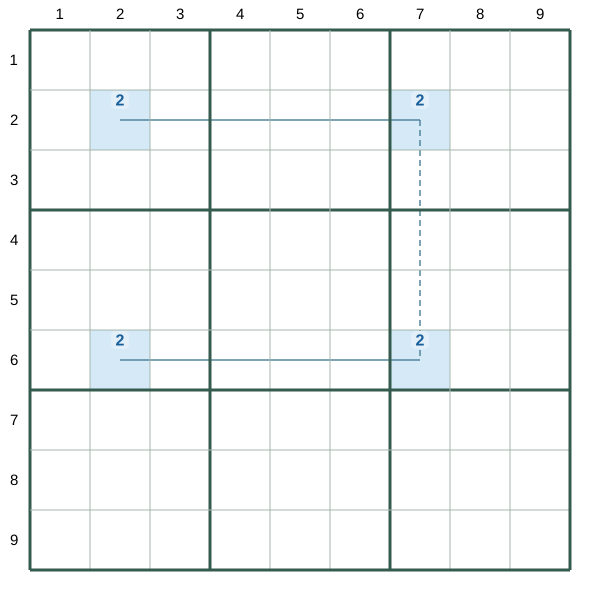
Draw the conclusion
No
Recognition practice 3
Does the last link close the loop at its start?
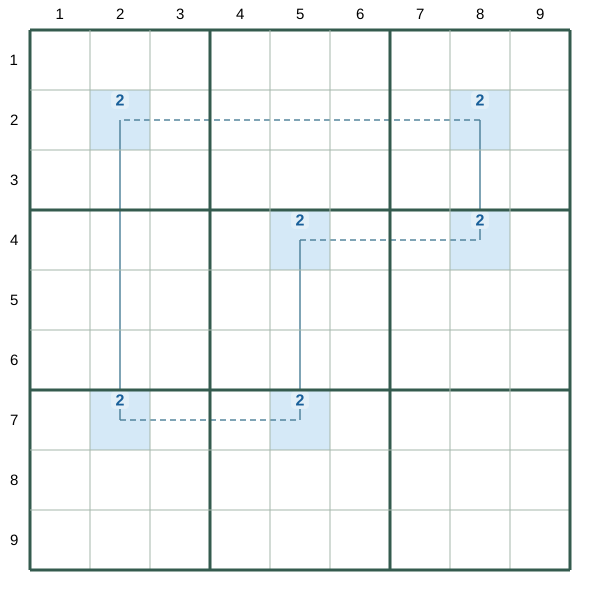
Draw the conclusion
Yes
Recognition practice 4
Does the last link close the loop at its start?
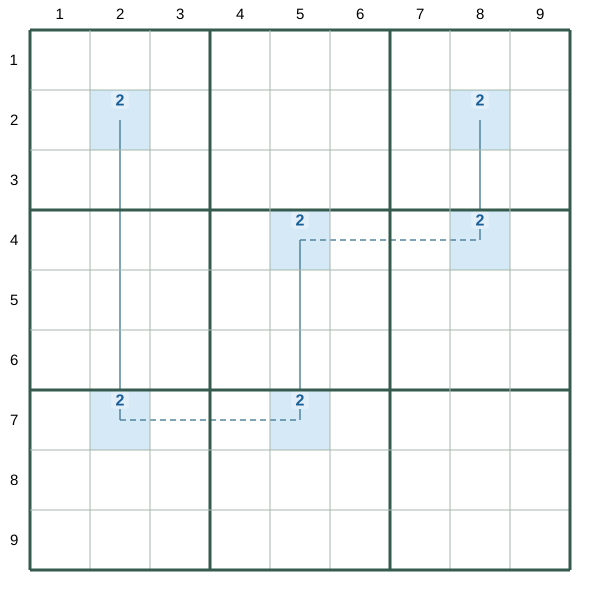
Draw the conclusion
No
Recognition practice 5
Does the last link close the loop at its start?
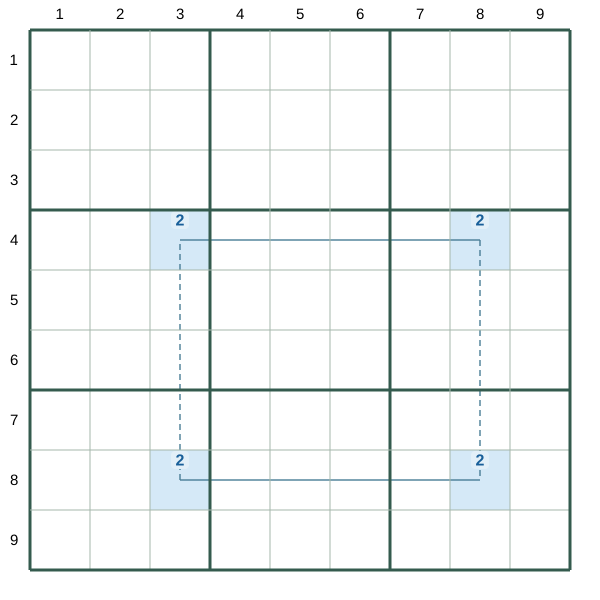
Draw the conclusion
Yes
Recognition practice 6
Does the last link close the loop at its start?
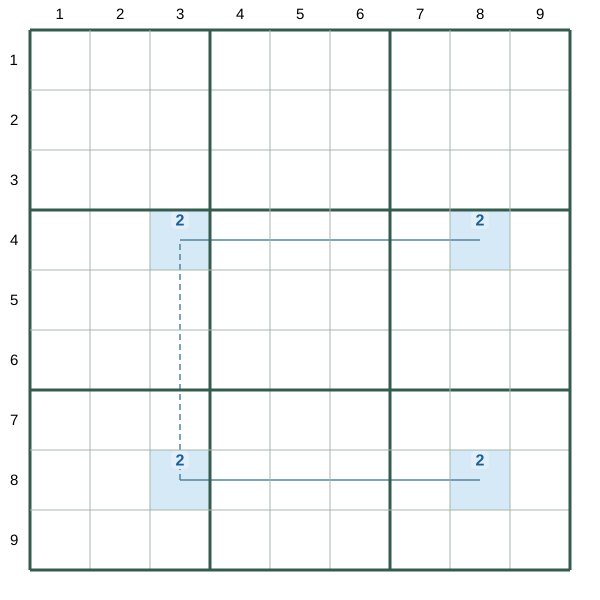
Draw the conclusion
No
Recognition practice 7
Does the last link close the loop at its start?
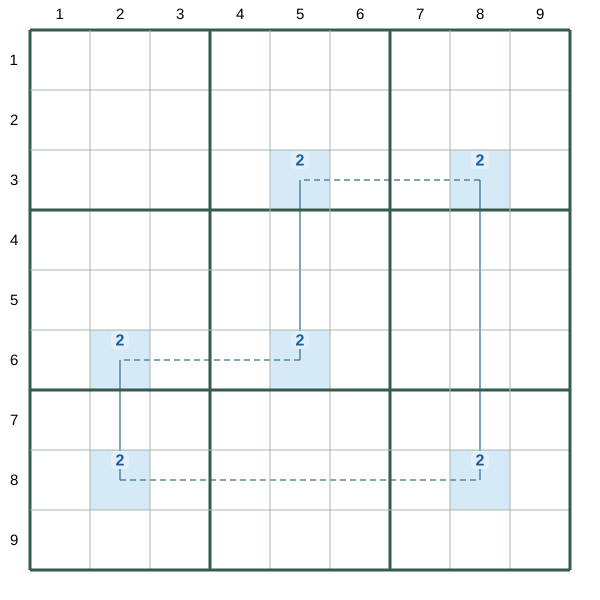
Draw the conclusion
Yes
Recognition practice 8
Does the last link close the loop at its start?
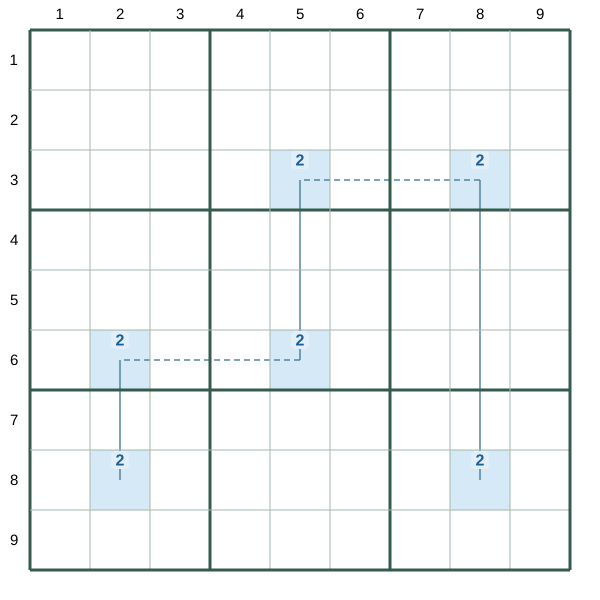
Draw the conclusion
No
Recognition practice 9
Does the last link close the loop at its start?
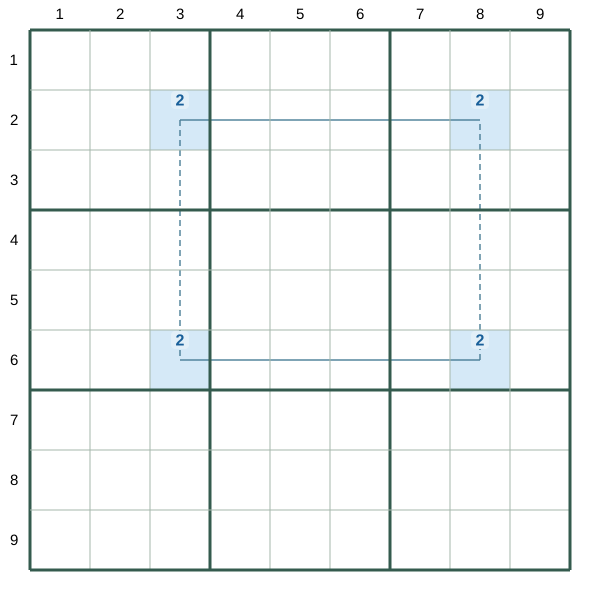
Draw the conclusion
Yes
Recognition practice 10
Does the last link close the loop at its start?
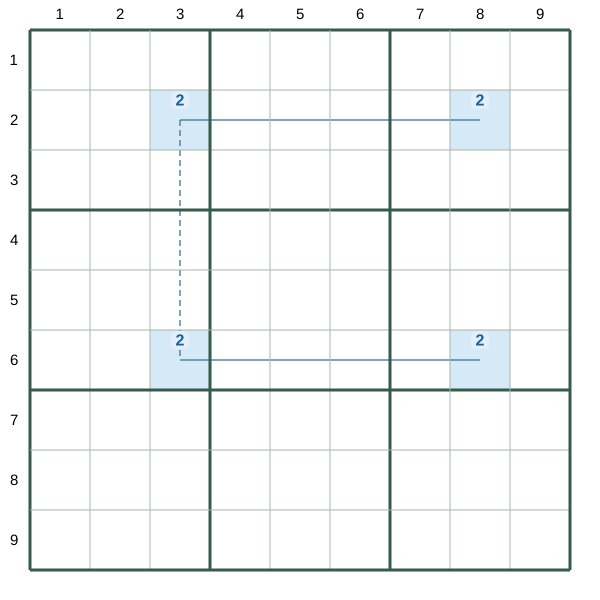
Draw the conclusion
No
Recognition practice 11
Does the last link close the loop at its start?
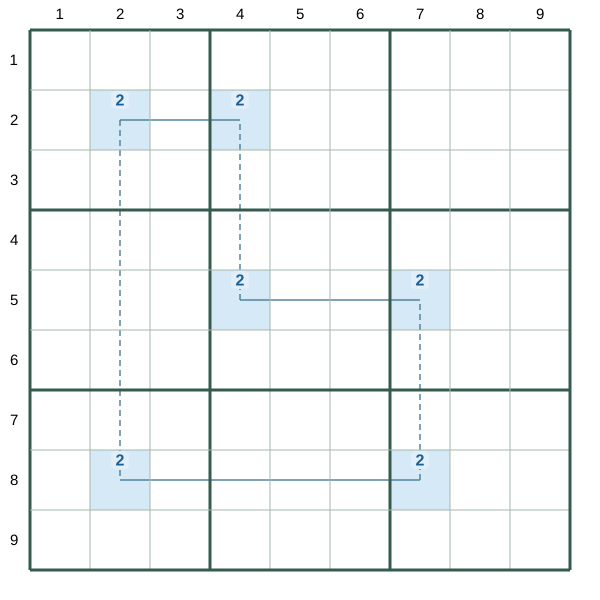
Draw the conclusion
Yes
Recognition practice 12
Does the last link close the loop at its start?
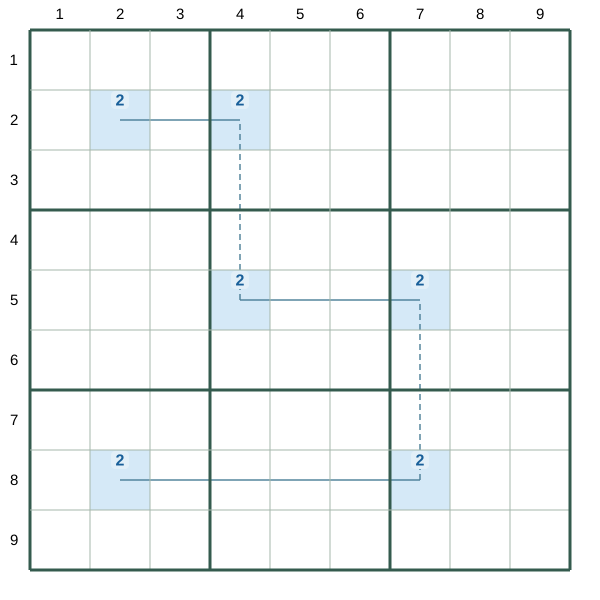
Draw the conclusion
No
Practice
This course is adapted from Platon Sudoku App. Read the complete example here, then continue learning and practising in the app.
View on Google Play