Platon Sudoku · Sudoku Study
Hidden Triple · Step-by-step example
Within one row, column, or box, three digits are confined to the same three cells. Remove every other candidate from those three cells.
This course is adapted from Platon Sudoku App. Read the complete example here, then continue learning and practising in the app.
View on Google Play ↗Recognize the pattern
Within one row, column, or box, three digits are confined to the same three cells.
How to find it
Scan three digits in one region and see whether all their possible positions fit within just three cells.
What it allows
Remove every other candidate from those three cells.
Avoid the mix-up
Each digit need not appear in all three cells. A naked triple is found by counting candidates inside three cells, not positions for three digits.
Step-by-step example · Row
This example starts from a saved intermediate position. Its candidates include earlier logical eliminations; they are not fresh automatic notes.
Blue: evidence. Green: conclusion. Crossed-out digits: eliminated candidates. R1C1 means row 1, column 1.
Step 1 · Observe the positions
In row 6, 2, 4, 6 can appear only in these three cells.
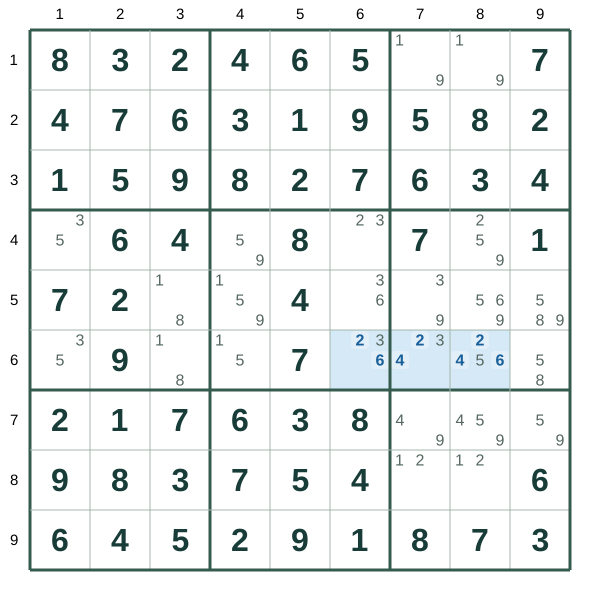 In row 6, 2, 4, 6 can appear only in these three cells.
Step 2 · Understand the reservation
These three digits must each occupy one cell. No other digits fit in these cells.
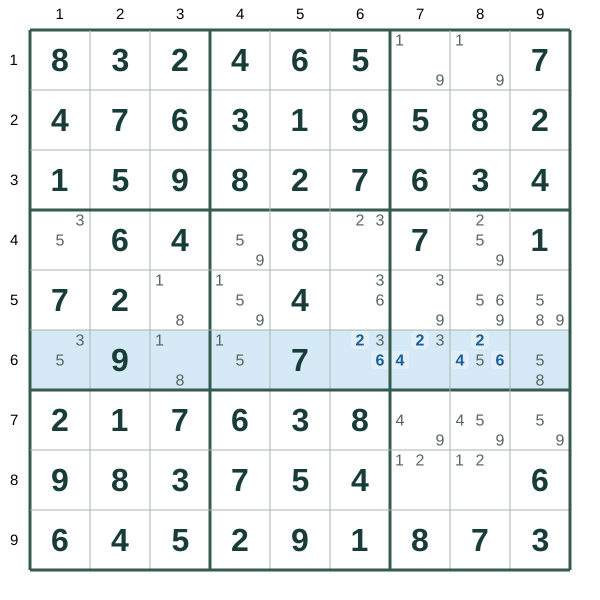 These three digits must each occupy one cell. No other digits fit in these cells.
Step 3 · Remove candidates
Remove the marked 3, 5 candidates from these three cells.
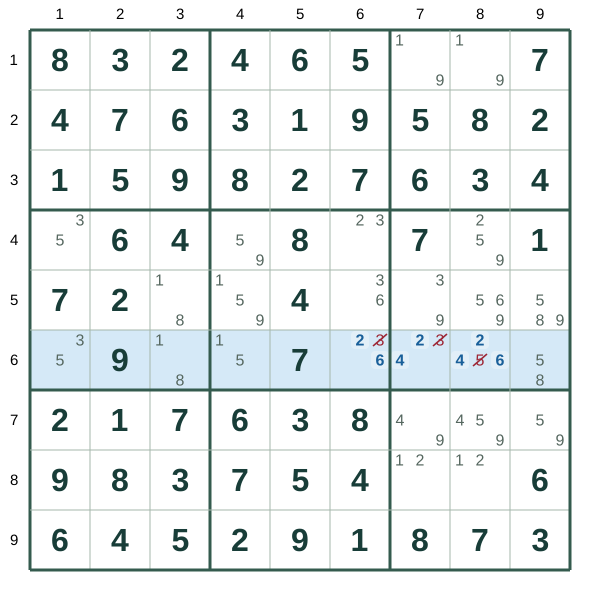 Remove the marked 3, 5 candidates from these three cells. R6C6=3, R6C7=3, R6C8=5
What it allows
Remove the marked 3, 5 candidates from these three cells.
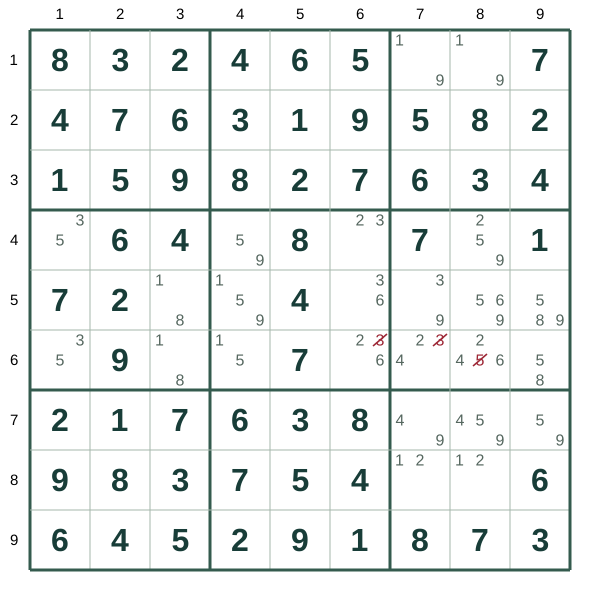 Hidden Triple · Remove every other candidate from those three cells.
Step-by-step example · Column
This example starts from a saved intermediate position. Its candidates include earlier logical eliminations; they are not fresh automatic notes.
Blue: evidence. Green: conclusion. Crossed-out digits: eliminated candidates. R1C1 means row 1, column 1.
Step 1 · Observe the positions
In column 4, 1, 7, 9 can appear only in these three cells.
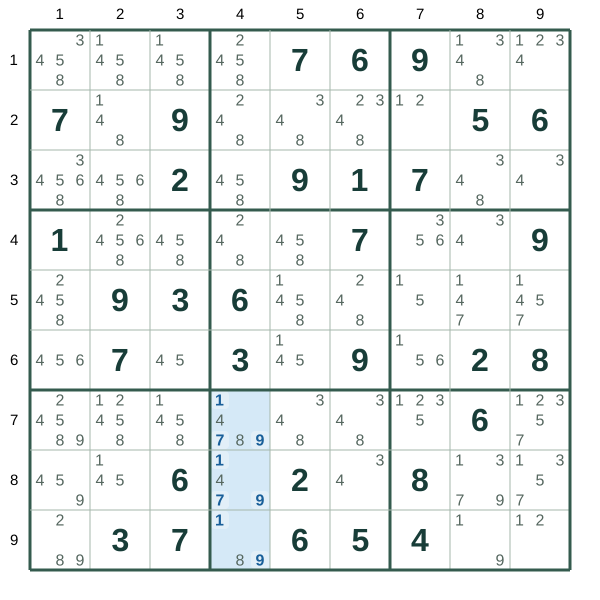 In column 4, 1, 7, 9 can appear only in these three cells.
Step 2 · Understand the reservation
These three digits must each occupy one cell. No other digits fit in these cells.
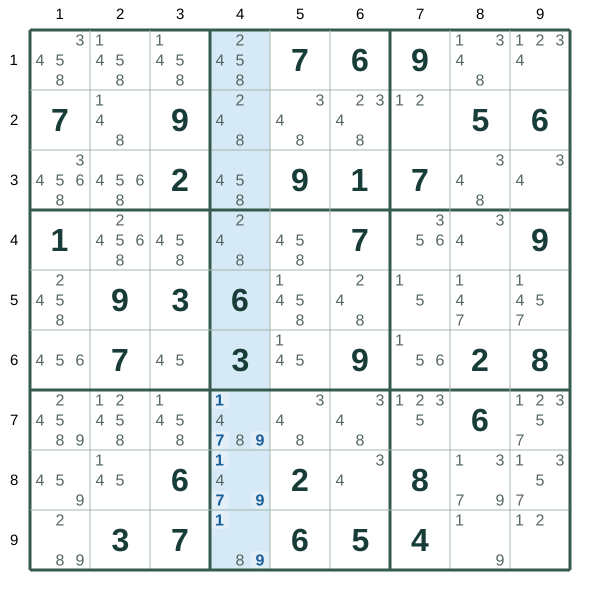 These three digits must each occupy one cell. No other digits fit in these cells.
Step 3 · Remove candidates
Remove the marked 4, 8 candidates from these three cells.
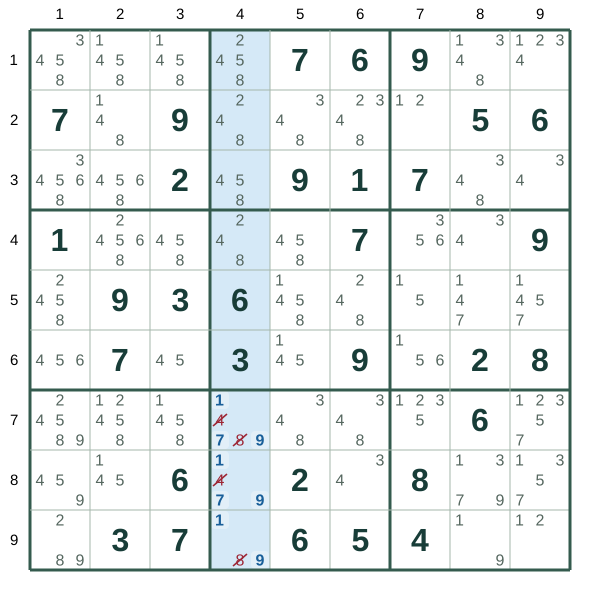 Remove the marked 4, 8 candidates from these three cells. R7C4=4, R7C4=8, R8C4=4, R9C4=8
What it allows
Remove the marked 4, 8 candidates from these three cells.
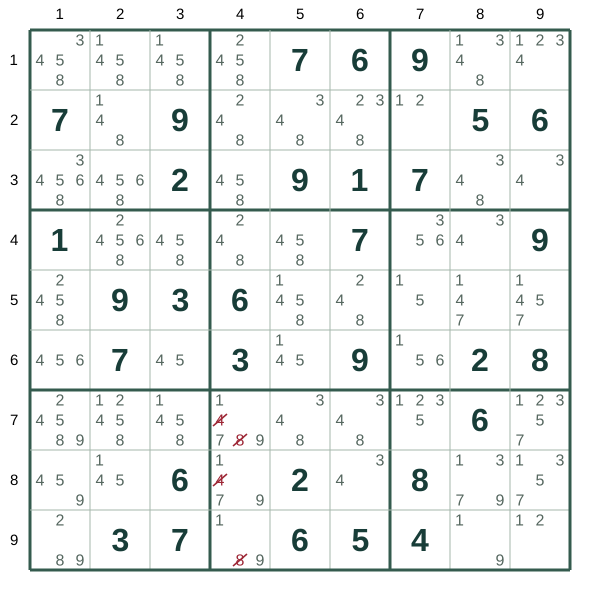 Hidden Triple · Remove every other candidate from those three cells.
Step-by-step example · Box
This example starts from a saved intermediate position. Its candidates include earlier logical eliminations; they are not fresh automatic notes.
Blue: evidence. Green: conclusion. Crossed-out digits: eliminated candidates. R1C1 means row 1, column 1.
Step 1 · Observe the positions
In box 9, 5, 7, 8 can appear only in these three cells.
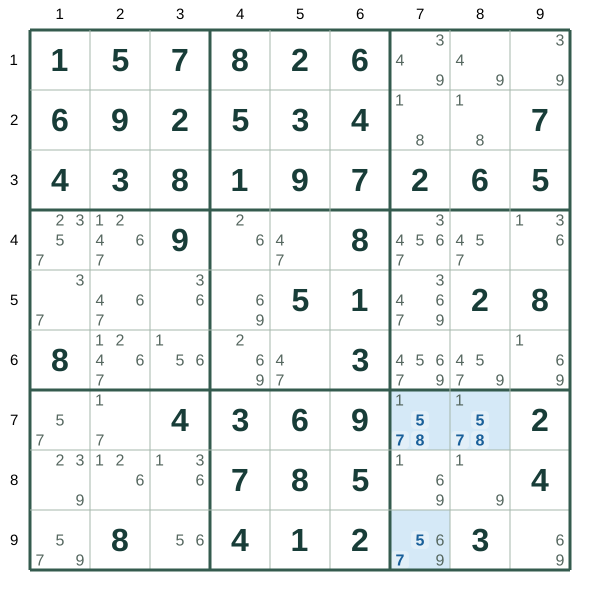 In box 9, 5, 7, 8 can appear only in these three cells.
Step 2 · Understand the reservation
These three digits must each occupy one cell. No other digits fit in these cells.
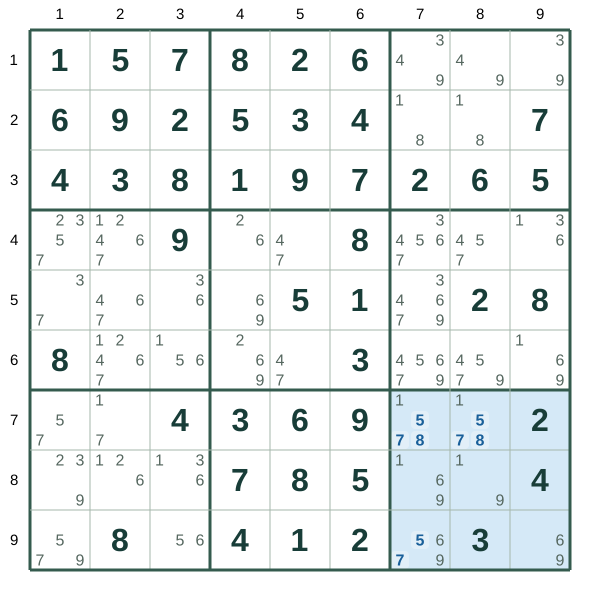 These three digits must each occupy one cell. No other digits fit in these cells.
Step 3 · Remove candidates
Remove the marked 1, 6, 9 candidates from these three cells.
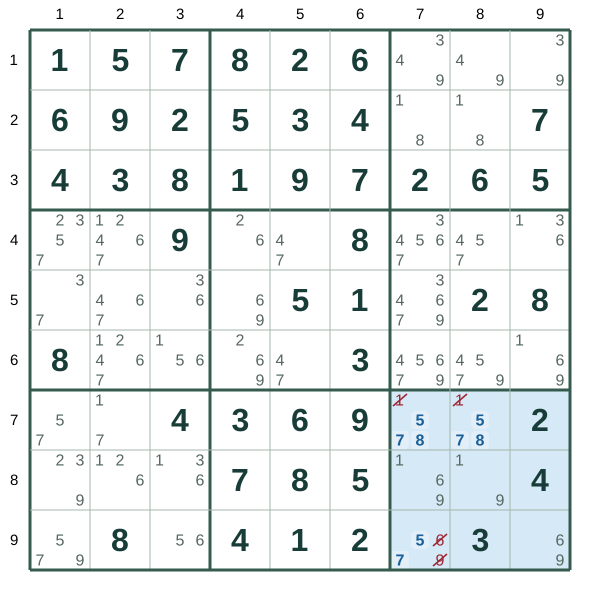 Remove the marked 1, 6, 9 candidates from these three cells. R7C7=1, R7C8=1, R9C7=6, R9C7=9
What it allows
Remove the marked 1, 6, 9 candidates from these three cells.
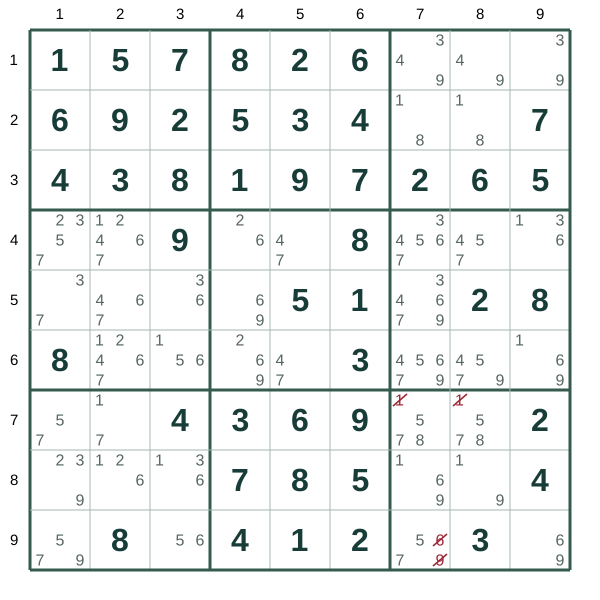 Hidden Triple · Remove every other candidate from those three cells.
Practice
This course is adapted from Platon Sudoku App. Read the complete example here, then continue learning and practising in the app.
View on Google Play ↗