Platon Sudoku · Sudoku Study
Common conclusions · Core Concepts
A result supported by every viable exhaustive branch holds without choosing a branch.
This course is adapted from Platon Sudoku App. Read the complete example here, then continue learning and practising in the app.
View on Google PlayDefinition
A result supported by every viable exhaustive branch holds without choosing a branch.
How to find it
Track each branch separately and keep only results they all share.
Common mistake
A target removed in just one branch is not a common conclusion.
2 branches
Teaching board · local candidate diagram
Observe candidates
A result supported by every viable exhaustive branch holds without choosing a branch.
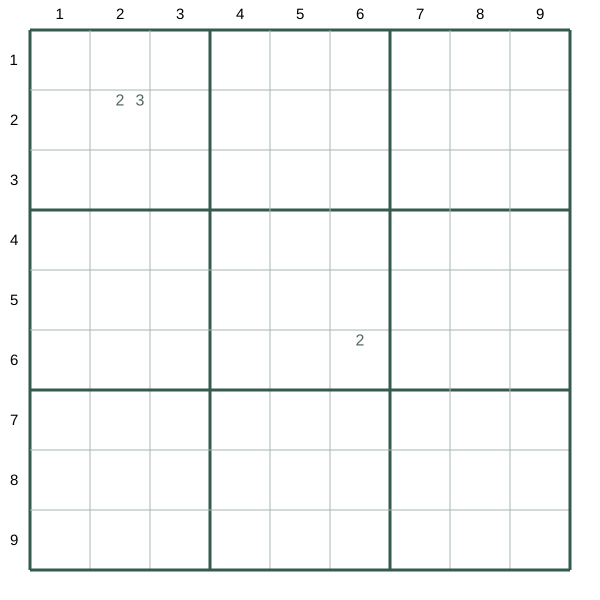
Verify the condition
Track each branch separately and keep only results they all share.
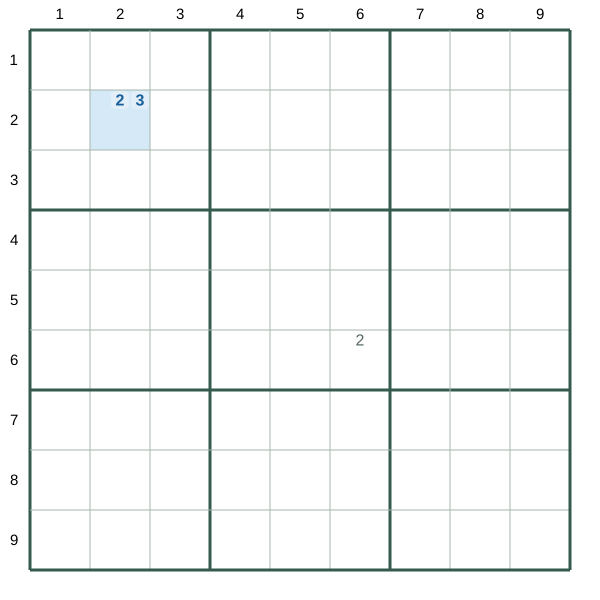
Draw the conclusion
An elimination is common only when every starting branch reaches it.
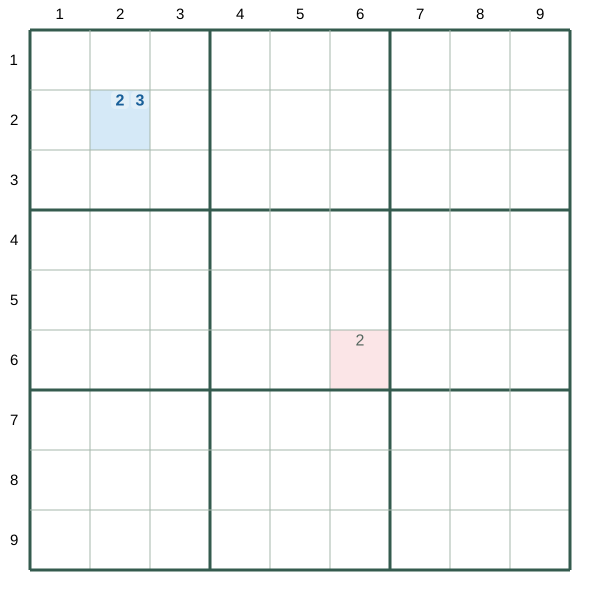
Branch A: target removed · Branch B: target removed
3 branches
Teaching board · local candidate diagram
Observe candidates
A result supported by every viable exhaustive branch holds without choosing a branch.
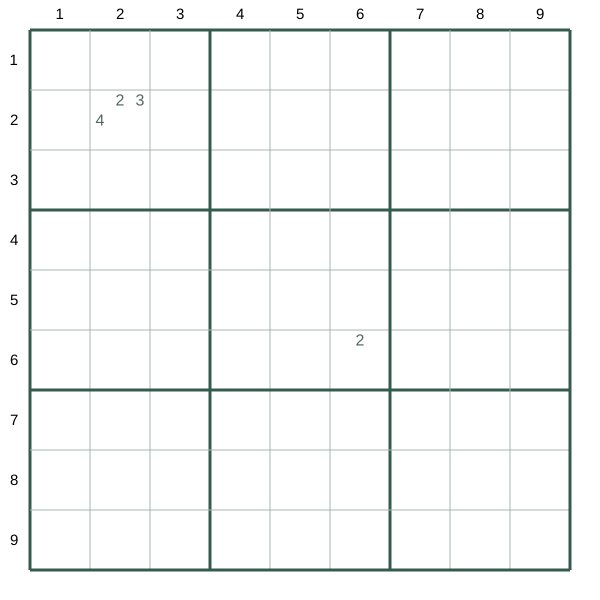
Verify the condition
Track each branch separately and keep only results they all share.
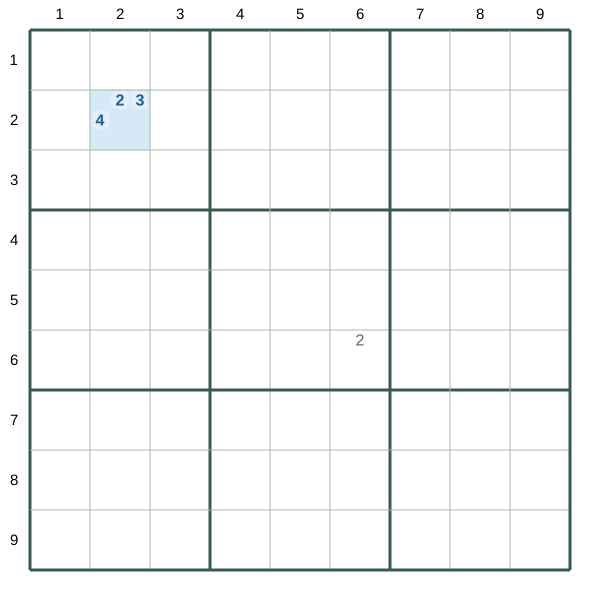
Draw the conclusion
An elimination is common only when every starting branch reaches it.
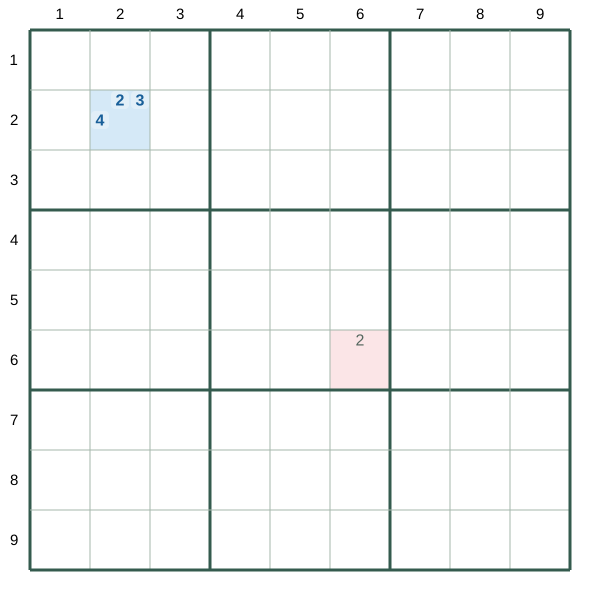
Branch A: target removed · Branch B: target removed · Branch C: target removed
4 branches
Teaching board · local candidate diagram
Observe candidates
A result supported by every viable exhaustive branch holds without choosing a branch.
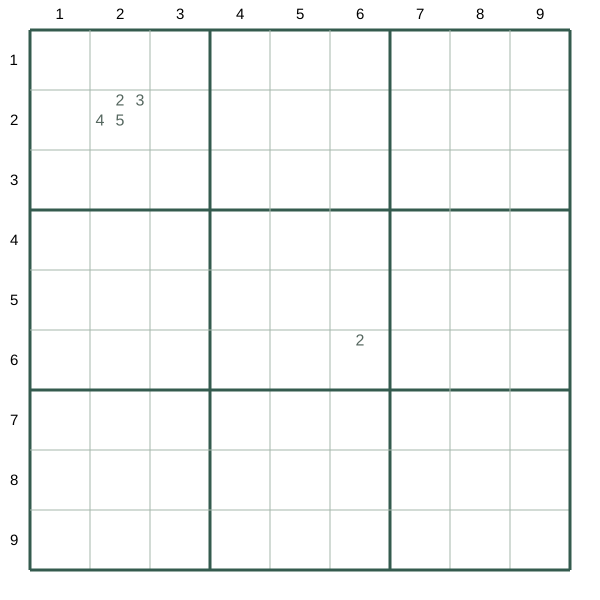
Verify the condition
Track each branch separately and keep only results they all share.
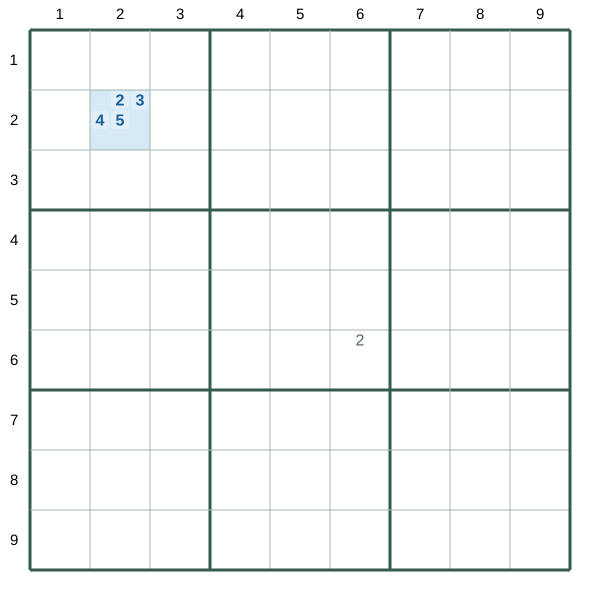
Draw the conclusion
An elimination is common only when every starting branch reaches it.
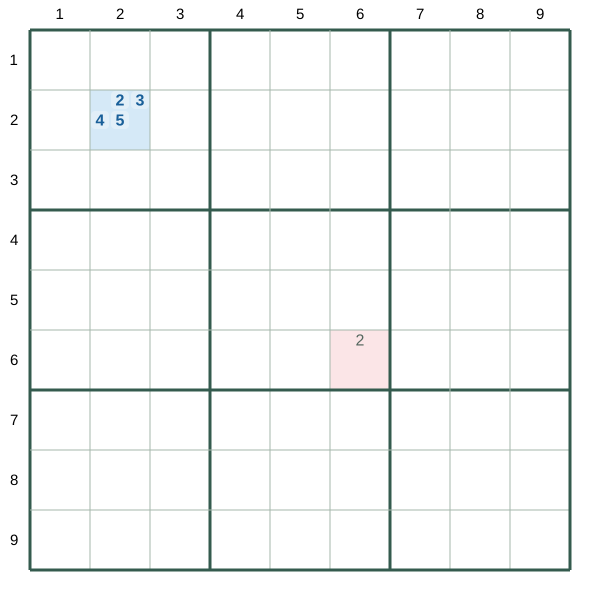
Branch A: target removed · Branch B: target removed · Branch C: target removed · Branch D: target removed
Recognition practice
Teaching board · local candidate diagram
Recognition practice 1
Every exhaustive branch removes the marked target. Is removal a common conclusion?
Branch A: target removed · Branch B: target removed
Draw the conclusion
Yes
Recognition practice 2
At least one branch keeps the marked target. Is removal a common conclusion?
Branch A: target removed · Branch B: target remains
Draw the conclusion
No
Recognition practice 3
Every exhaustive branch removes the marked target. Is removal a common conclusion?
Branch A: target removed · Branch B: target removed · Branch C: target removed
Draw the conclusion
Yes
Recognition practice 4
At least one branch keeps the marked target. Is removal a common conclusion?
Branch A: target removed · Branch B: target removed · Branch C: target remains
Draw the conclusion
No
Recognition practice 5
Every exhaustive branch removes the marked target. Is removal a common conclusion?
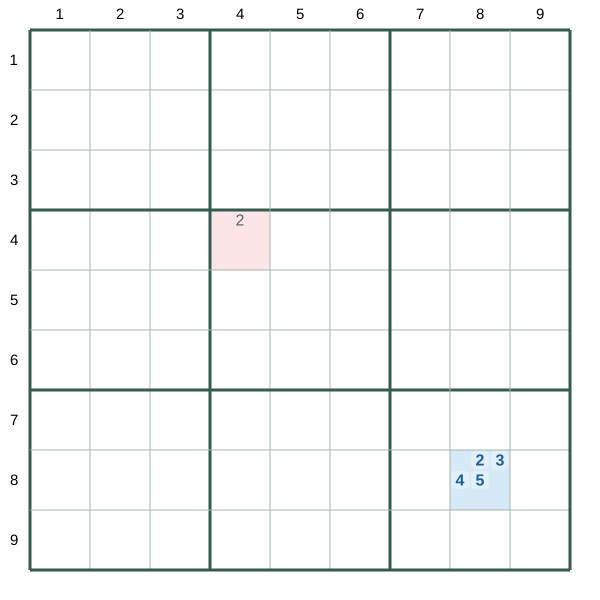
Branch A: target removed · Branch B: target removed · Branch C: target removed · Branch D: target removed
Draw the conclusion
Yes
Recognition practice 6
At least one branch keeps the marked target. Is removal a common conclusion?
Branch A: target removed · Branch B: target removed · Branch C: target removed · Branch D: target remains
Draw the conclusion
No
Recognition practice 7
Every exhaustive branch removes the marked target. Is removal a common conclusion?
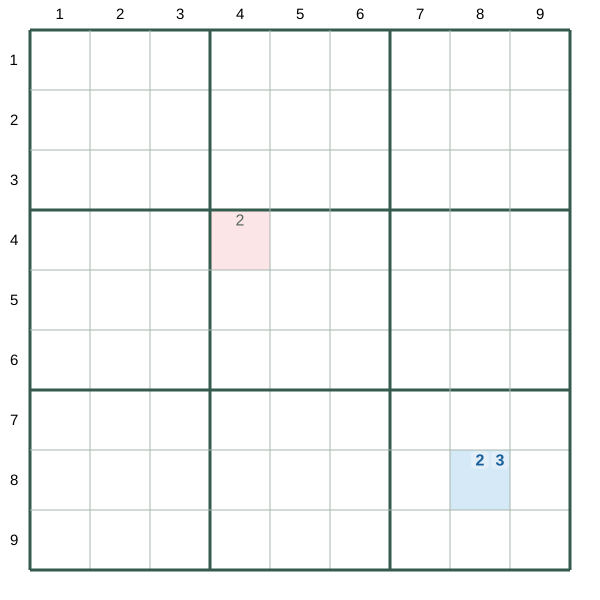
Branch A: target removed · Branch B: target removed
Draw the conclusion
Yes
Recognition practice 8
At least one branch keeps the marked target. Is removal a common conclusion?
Branch A: target removed · Branch B: target remains
Draw the conclusion
No
Recognition practice 9
Every exhaustive branch removes the marked target. Is removal a common conclusion?
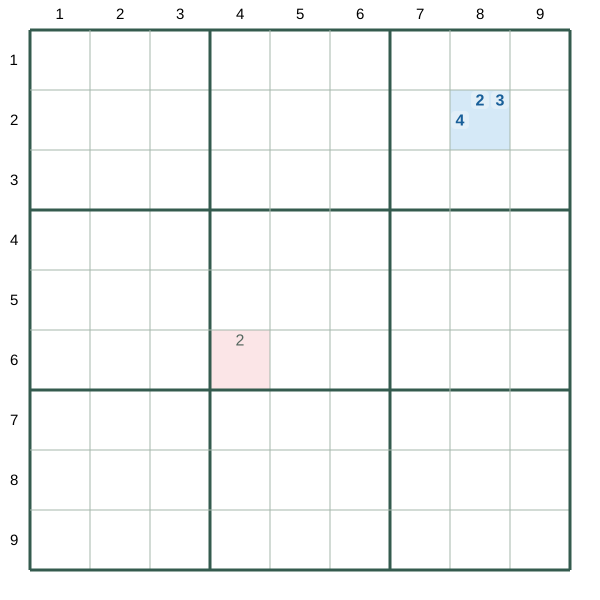
Branch A: target removed · Branch B: target removed · Branch C: target removed
Draw the conclusion
Yes
Recognition practice 10
At least one branch keeps the marked target. Is removal a common conclusion?
Branch A: target removed · Branch B: target removed · Branch C: target remains
Draw the conclusion
No
Recognition practice 11
Every exhaustive branch removes the marked target. Is removal a common conclusion?
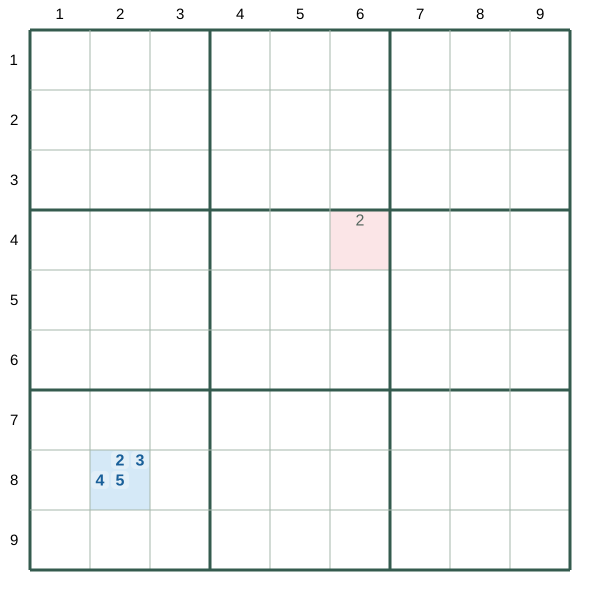
Branch A: target removed · Branch B: target removed · Branch C: target removed · Branch D: target removed
Draw the conclusion
Yes
Recognition practice 12
At least one branch keeps the marked target. Is removal a common conclusion?
Branch A: target removed · Branch B: target removed · Branch C: target removed · Branch D: target remains
Draw the conclusion
No
Practice
This course is adapted from Platon Sudoku App. Read the complete example here, then continue learning and practising in the app.
View on Google Play