Platon Sudoku · Sudoku Study
Naked sets · Core Concepts
In one region, N cells together contain exactly N candidate digits. Those digits are reserved for those cells.
This course is adapted from Platon Sudoku App. Read the complete example here, then continue learning and practising in the app.
View on Google PlayDefinition
In one region, N cells together contain exactly N candidate digits. Those digits are reserved for those cells.
How to find it
Choose cells in one row, column or box and count the union of all their candidates.
Common mistake
Count every candidate in the selected cells. More distinct digits than cells breaks this naked set.
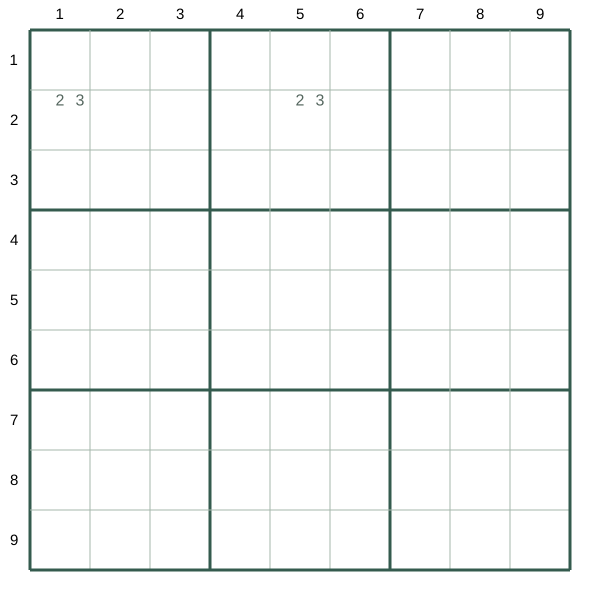
Pair · Row
Teaching board · local candidate diagram
Observe candidates
In one region, N cells together contain exactly N candidate digits. Those digits are reserved for those cells.
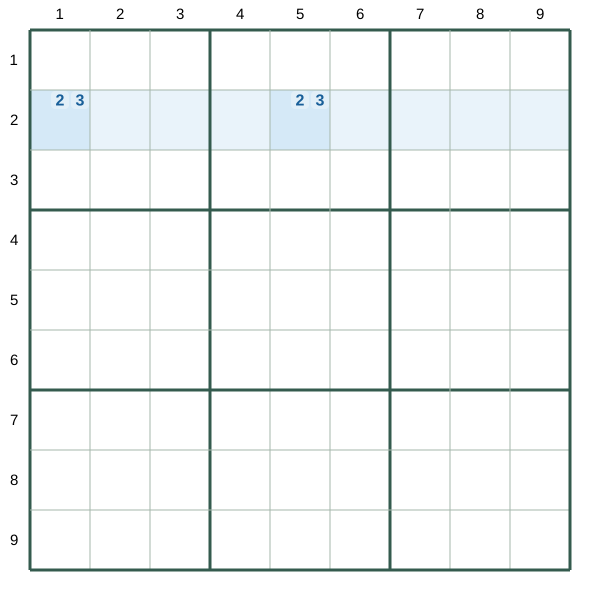
Verify the condition
Choose cells in one row, column or box and count the union of all their candidates.
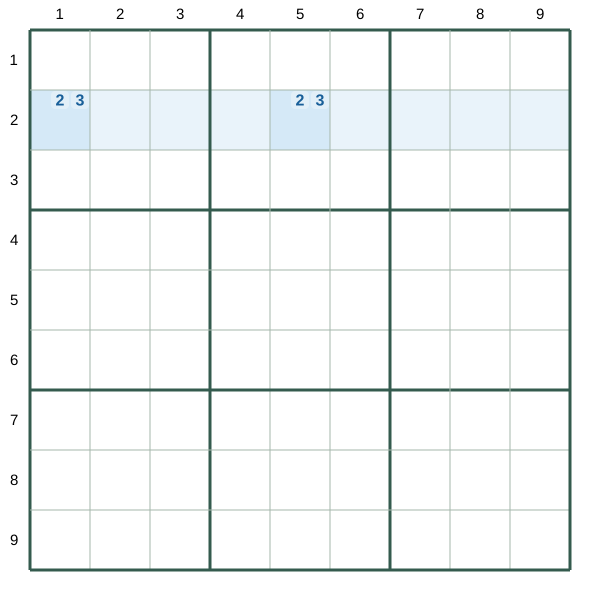
Draw the conclusion
The selected cells contain exactly as many distinct candidates as cells: a naked set.
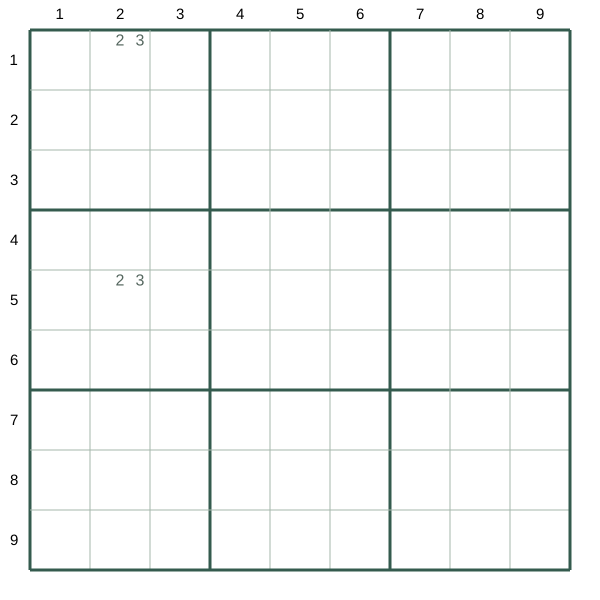
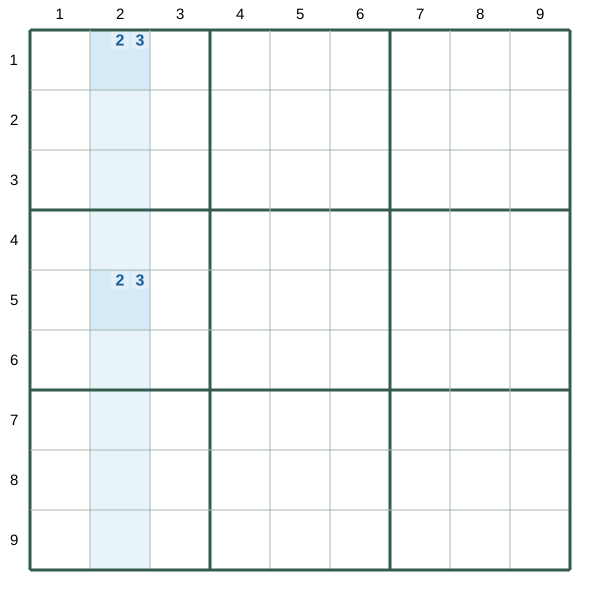
Pair · Column
Teaching board · local candidate diagram
Observe candidates
In one region, N cells together contain exactly N candidate digits. Those digits are reserved for those cells.
Verify the condition
Choose cells in one row, column or box and count the union of all their candidates.
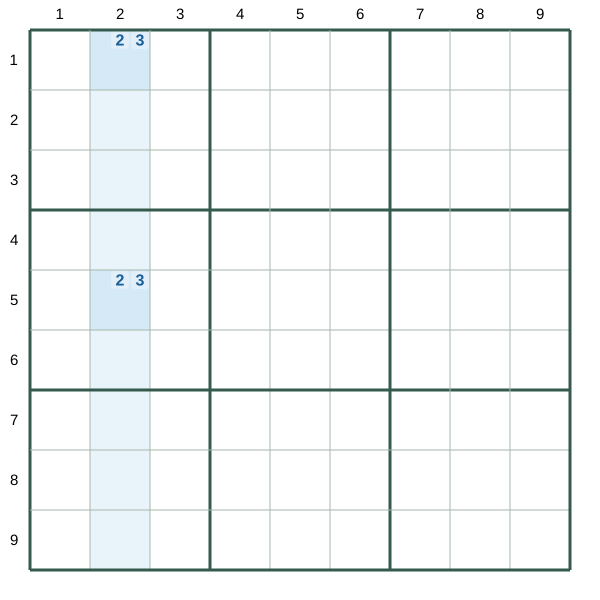
Draw the conclusion
The selected cells contain exactly as many distinct candidates as cells: a naked set.
Pair · Box
Teaching board · local candidate diagram
Observe candidates
In one region, N cells together contain exactly N candidate digits. Those digits are reserved for those cells.
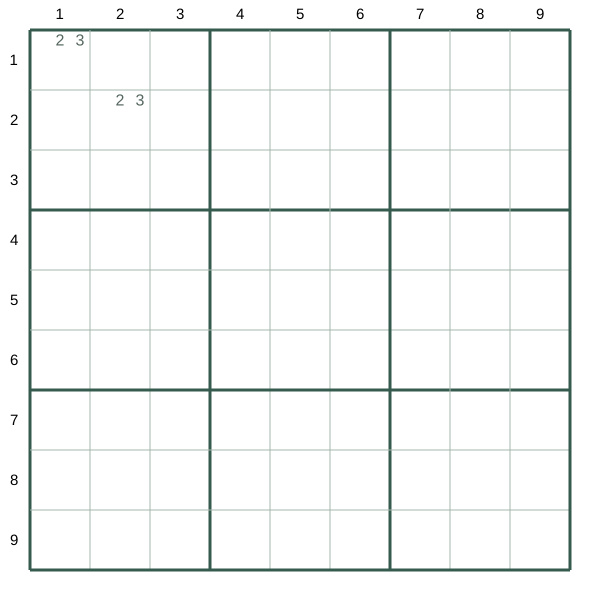
Verify the condition
Choose cells in one row, column or box and count the union of all their candidates.
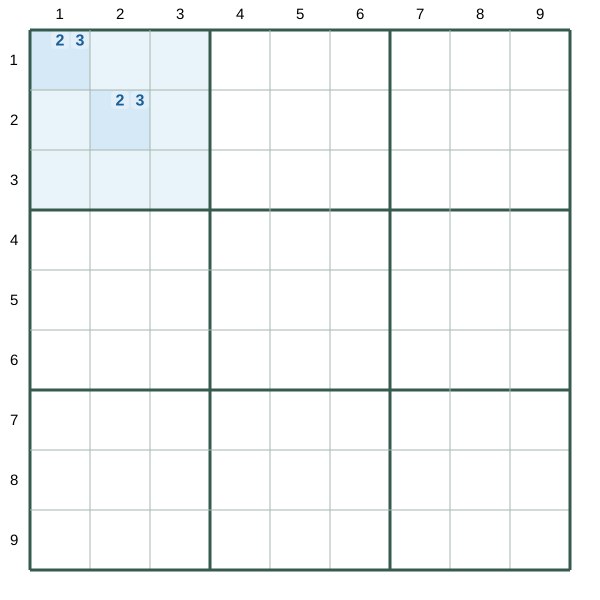
Draw the conclusion
The selected cells contain exactly as many distinct candidates as cells: a naked set.
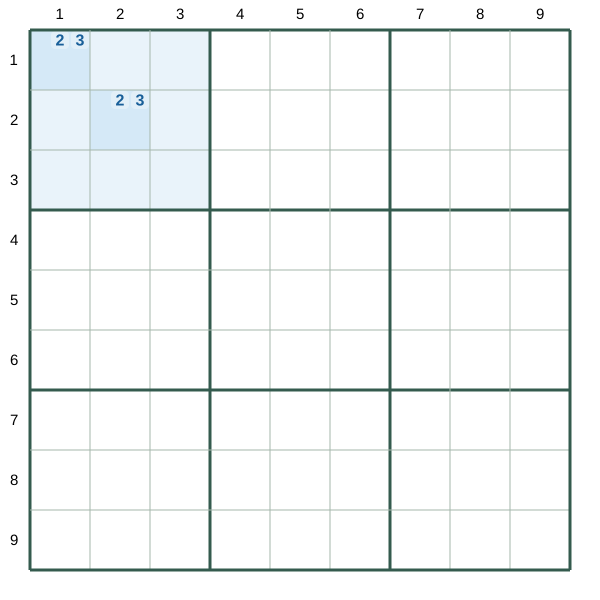
Triple · Row
Teaching board · local candidate diagram
Observe candidates
In one region, N cells together contain exactly N candidate digits. Those digits are reserved for those cells.
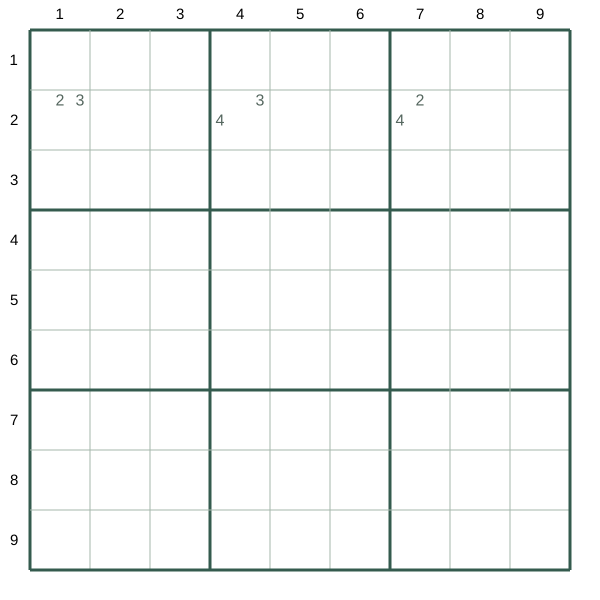
Verify the condition
Choose cells in one row, column or box and count the union of all their candidates.
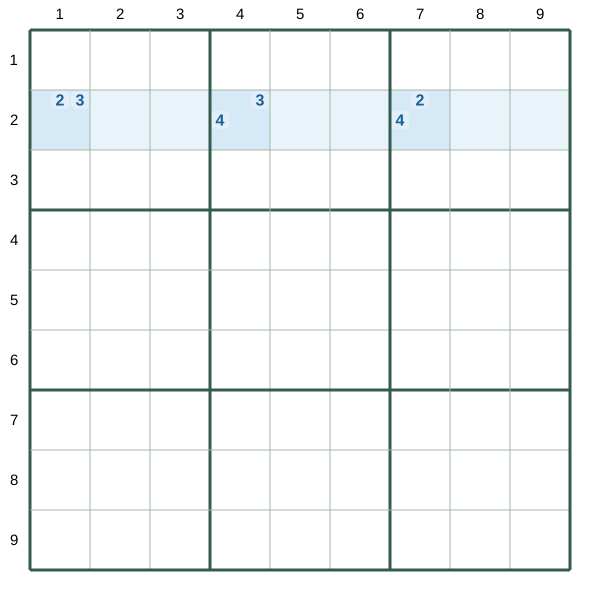
Draw the conclusion
The selected cells contain exactly as many distinct candidates as cells: a naked set.
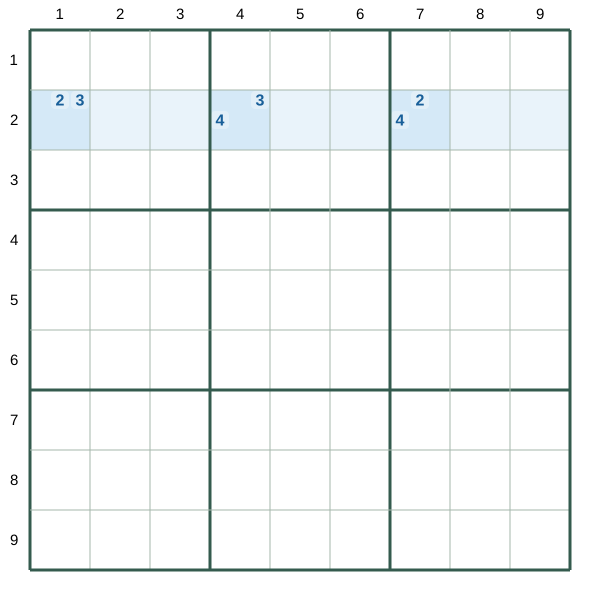
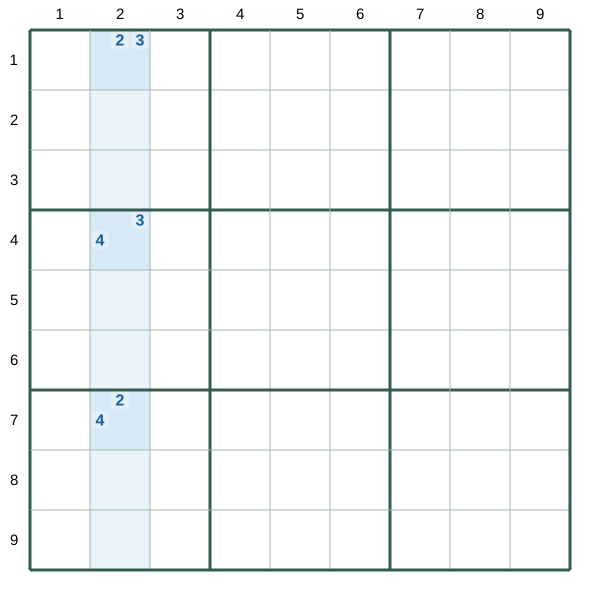
Triple · Column
Teaching board · local candidate diagram
Observe candidates
In one region, N cells together contain exactly N candidate digits. Those digits are reserved for those cells.
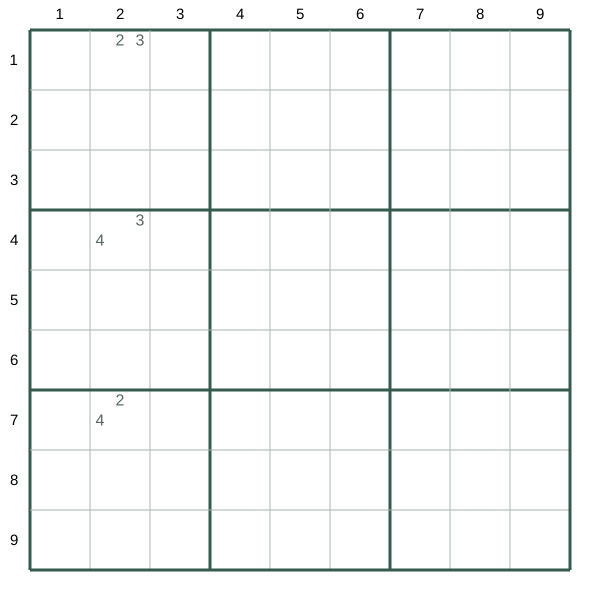
Verify the condition
Choose cells in one row, column or box and count the union of all their candidates.
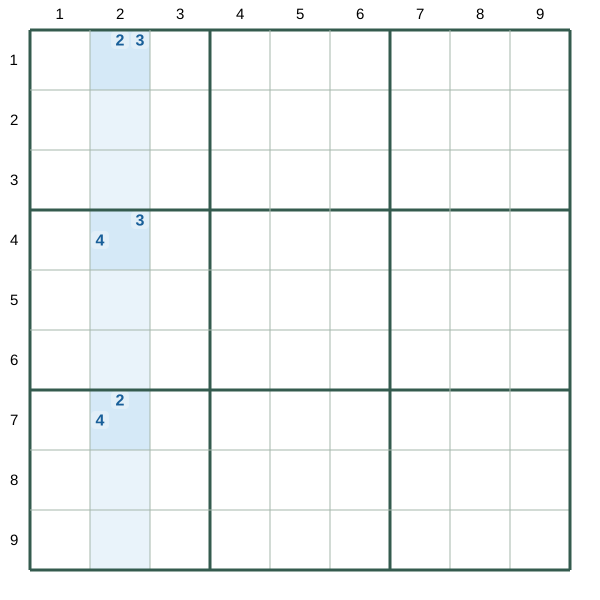
Draw the conclusion
The selected cells contain exactly as many distinct candidates as cells: a naked set.
Triple · Box
Teaching board · local candidate diagram
Observe candidates
In one region, N cells together contain exactly N candidate digits. Those digits are reserved for those cells.
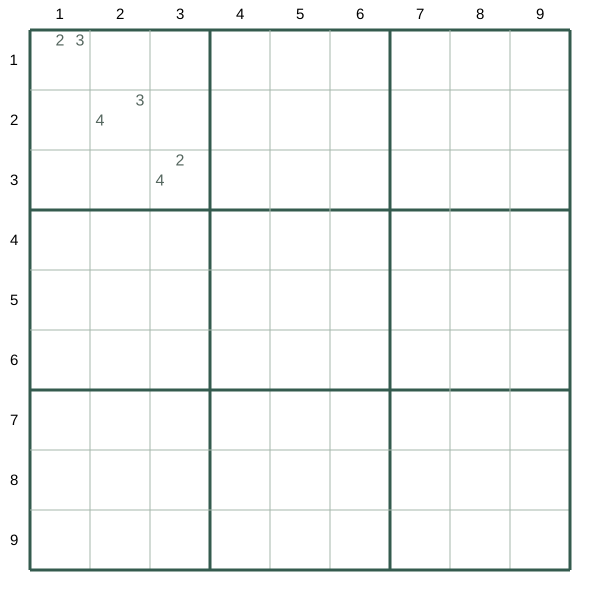
Verify the condition
Choose cells in one row, column or box and count the union of all their candidates.
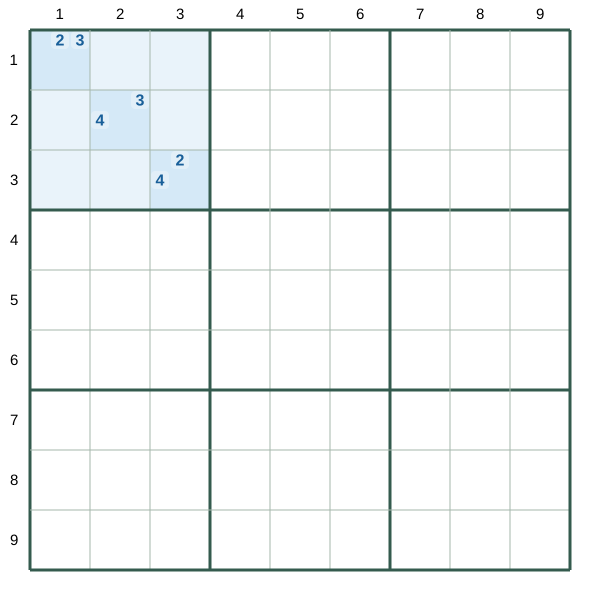
Draw the conclusion
The selected cells contain exactly as many distinct candidates as cells: a naked set.
Quad · Row
Teaching board · local candidate diagram
Observe candidates
In one region, N cells together contain exactly N candidate digits. Those digits are reserved for those cells.
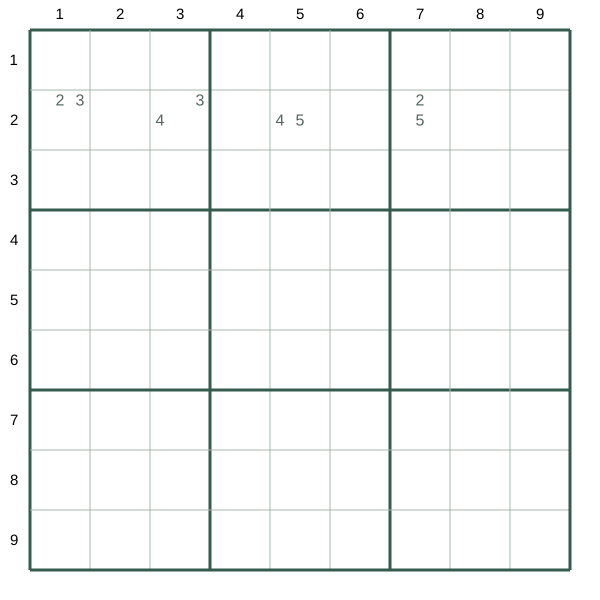
Verify the condition
Choose cells in one row, column or box and count the union of all their candidates.
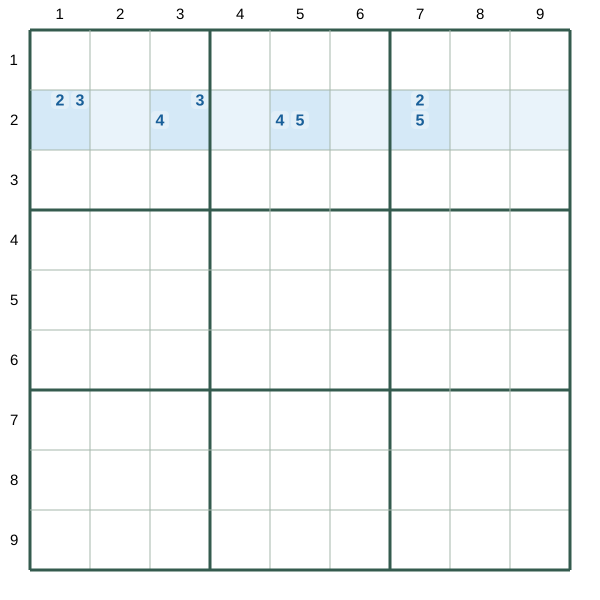
Draw the conclusion
The selected cells contain exactly as many distinct candidates as cells: a naked set.
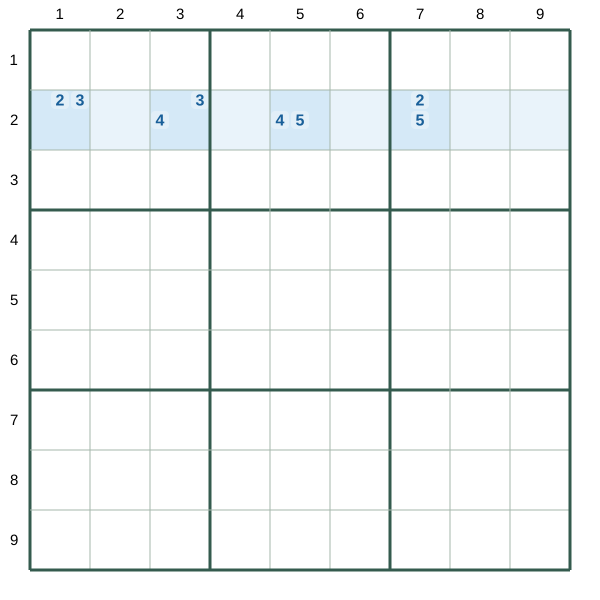
Quad · Column
Teaching board · local candidate diagram
Observe candidates
In one region, N cells together contain exactly N candidate digits. Those digits are reserved for those cells.
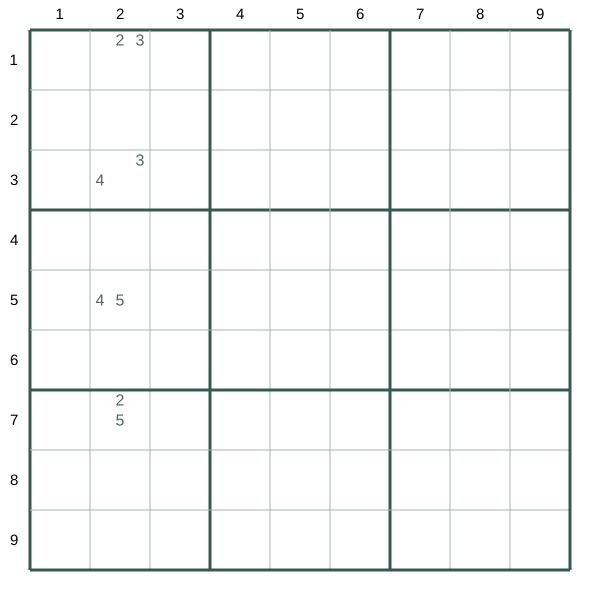
Verify the condition
Choose cells in one row, column or box and count the union of all their candidates.
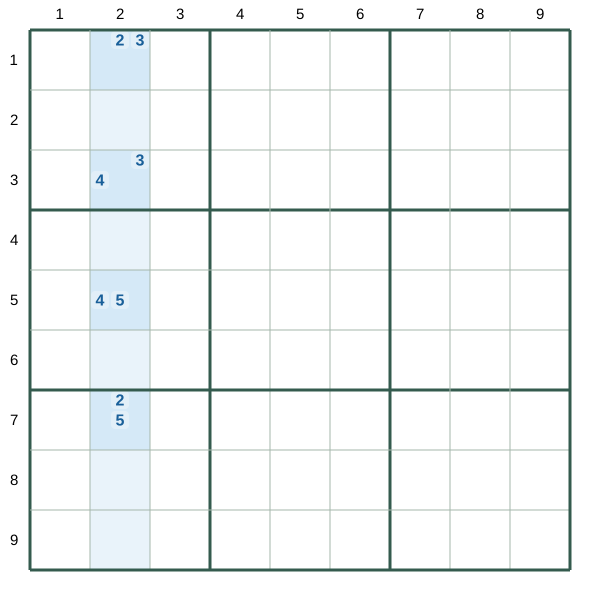
Draw the conclusion
The selected cells contain exactly as many distinct candidates as cells: a naked set.
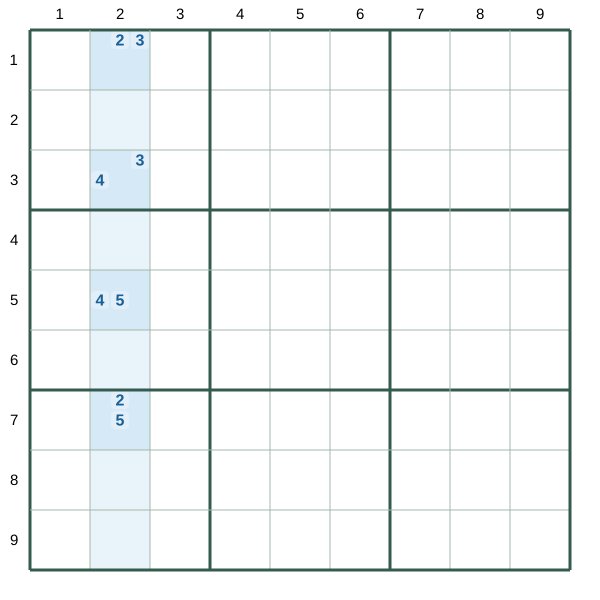
Quad · Box
Teaching board · local candidate diagram
Observe candidates
In one region, N cells together contain exactly N candidate digits. Those digits are reserved for those cells.
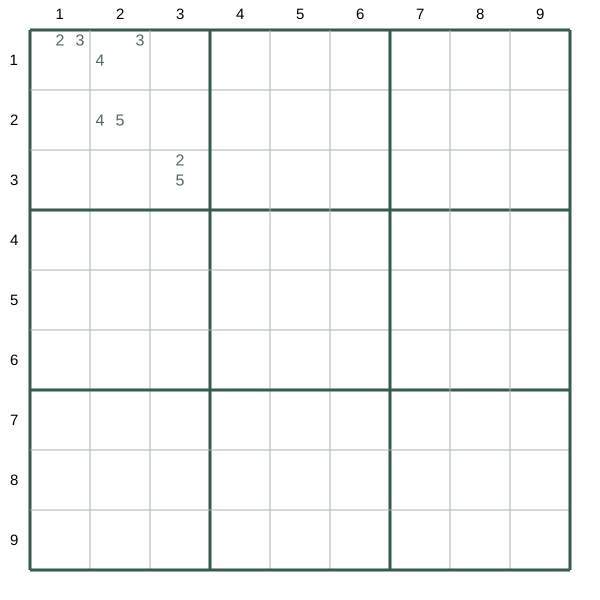
Verify the condition
Choose cells in one row, column or box and count the union of all their candidates.
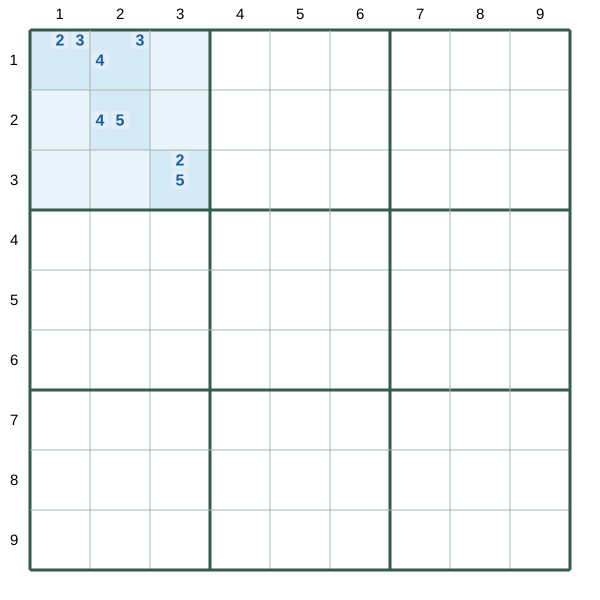
Draw the conclusion
The selected cells contain exactly as many distinct candidates as cells: a naked set.
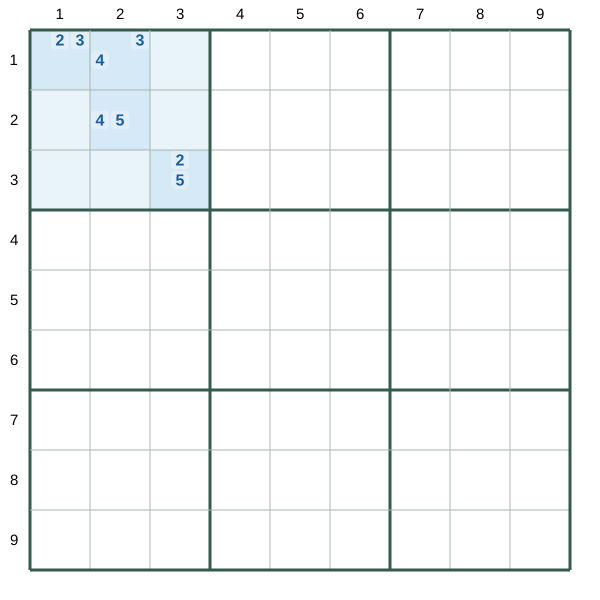
Recognition practice
Teaching board · local candidate diagram
Recognition practice 1
Do the highlighted cells form a naked set in the marked region?
Draw the conclusion
Yes
Recognition practice 2
Do the highlighted cells form a naked set in the marked region?
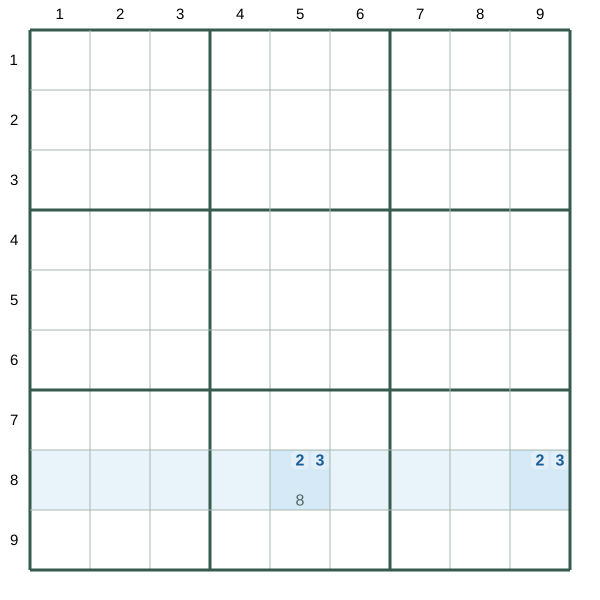
Draw the conclusion
No
Recognition practice 3
Do the highlighted cells form a naked set in the marked region?
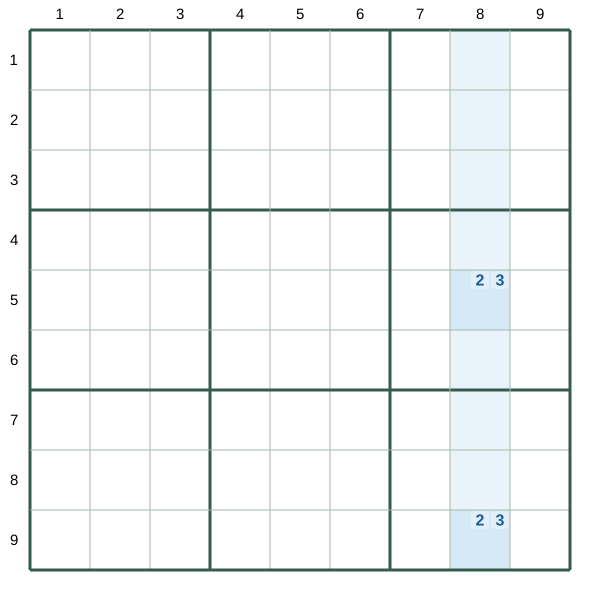
Draw the conclusion
Yes
Recognition practice 4
Do the highlighted cells form a naked set in the marked region?
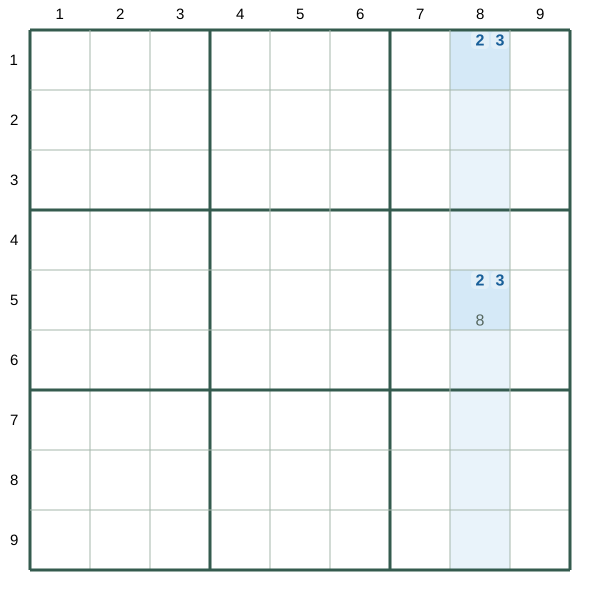
Draw the conclusion
No
Recognition practice 5
Do the highlighted cells form a naked set in the marked region?
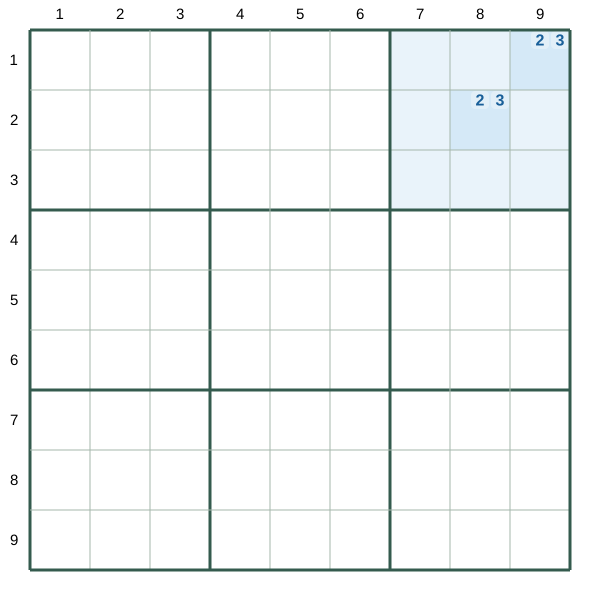
Draw the conclusion
Yes
Recognition practice 6
Do the highlighted cells form a naked set in the marked region?
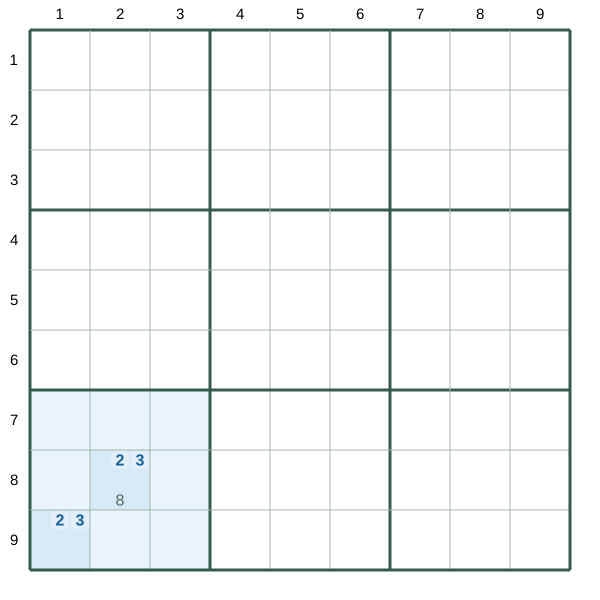
Draw the conclusion
No
Recognition practice 7
Do the highlighted cells form a naked set in the marked region?
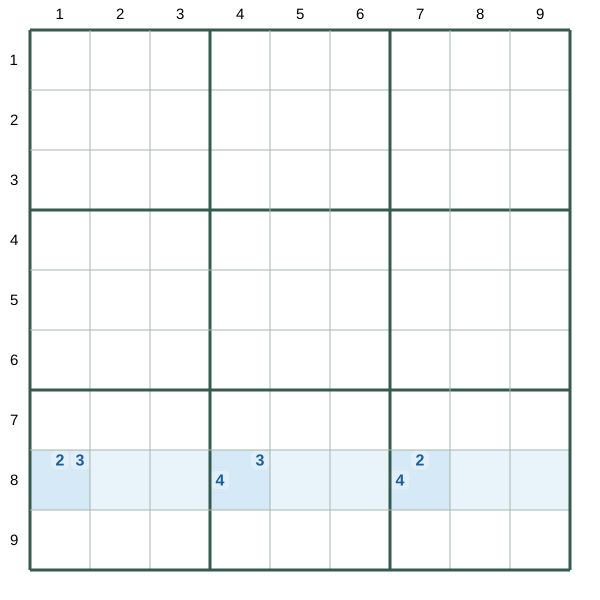
Draw the conclusion
Yes
Recognition practice 8
Do the highlighted cells form a naked set in the marked region?
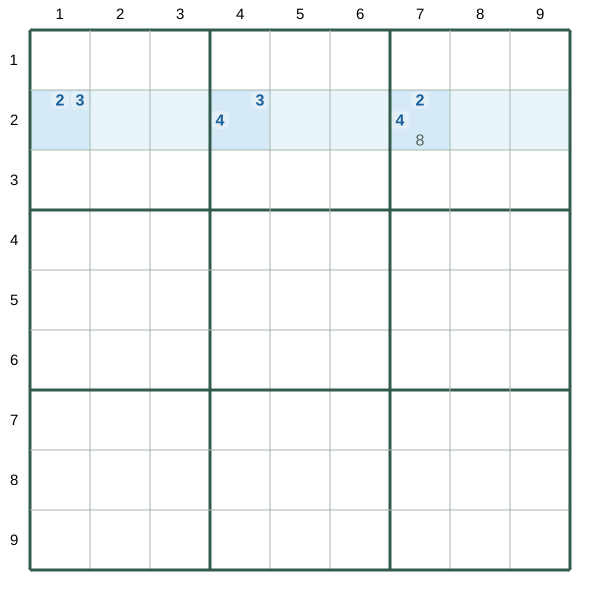
Draw the conclusion
No
Recognition practice 9
Do the highlighted cells form a naked set in the marked region?
Draw the conclusion
Yes
Recognition practice 10
Do the highlighted cells form a naked set in the marked region?
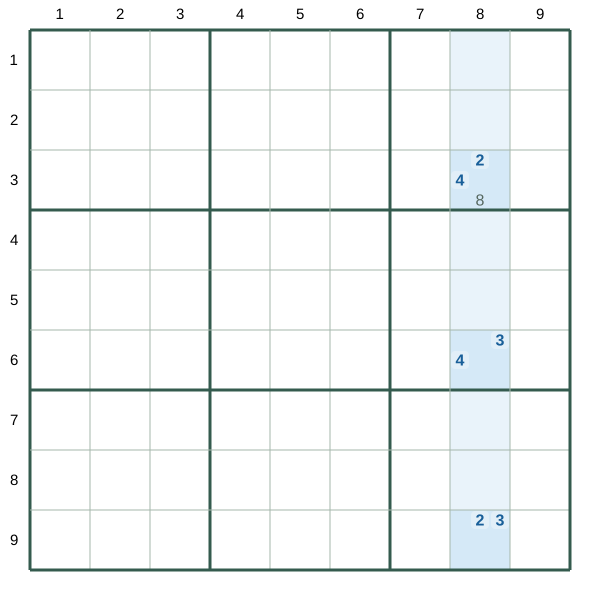
Draw the conclusion
No
Recognition practice 11
Do the highlighted cells form a naked set in the marked region?
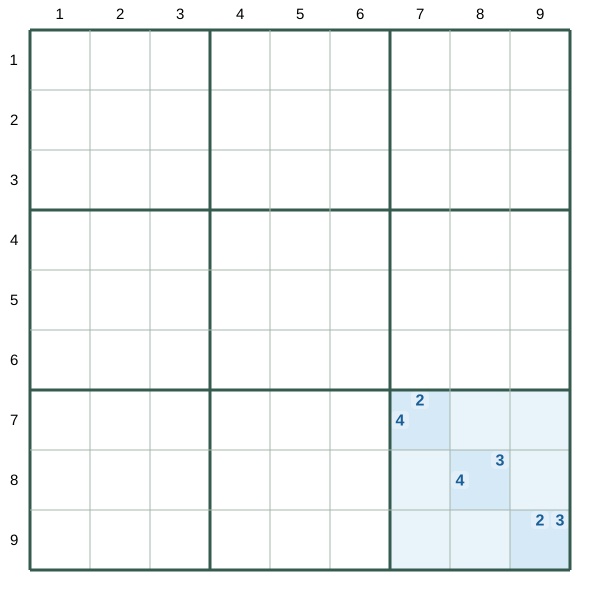
Draw the conclusion
Yes
Recognition practice 12
Do the highlighted cells form a naked set in the marked region?
Draw the conclusion
No
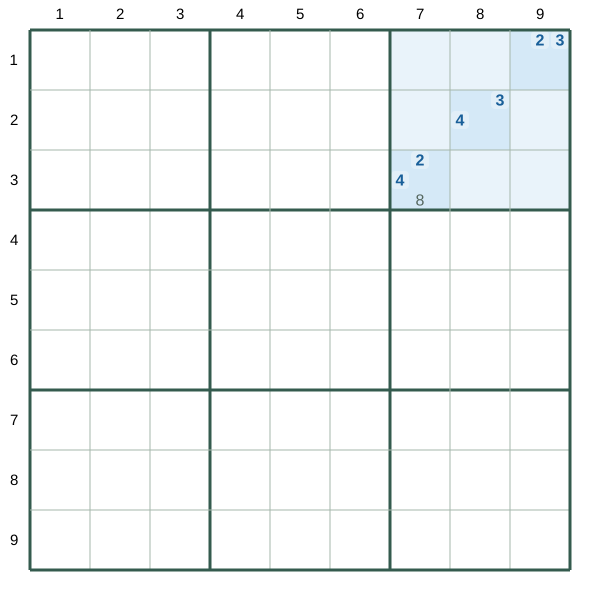
Recognition practice 13
Do the highlighted cells form a naked set in the marked region?
Draw the conclusion
Yes
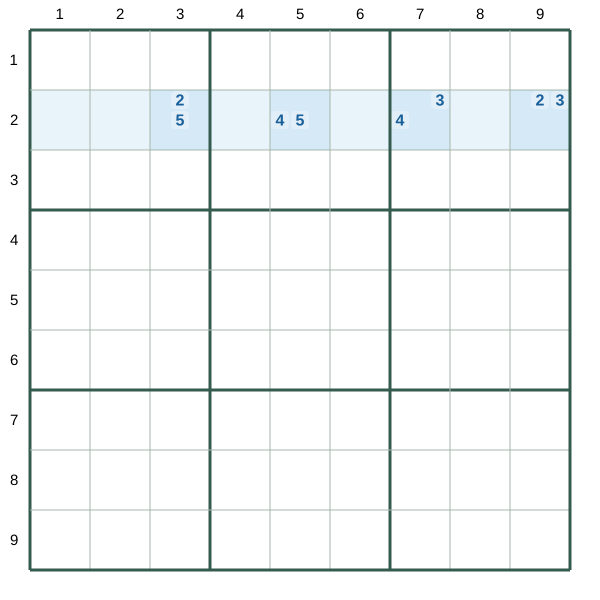
Recognition practice 14
Do the highlighted cells form a naked set in the marked region?
Draw the conclusion
No
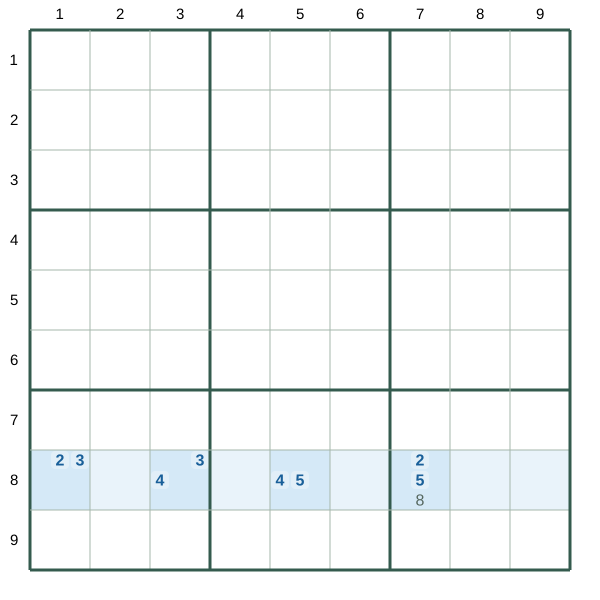
Recognition practice 15
Do the highlighted cells form a naked set in the marked region?
Draw the conclusion
Yes
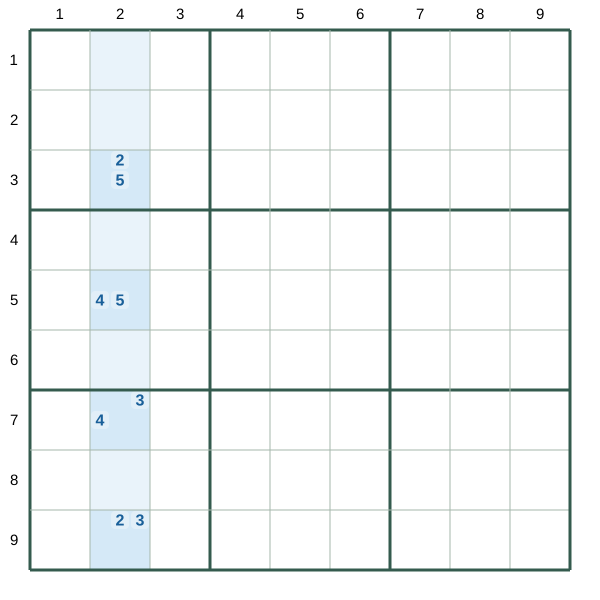
Recognition practice 16
Do the highlighted cells form a naked set in the marked region?
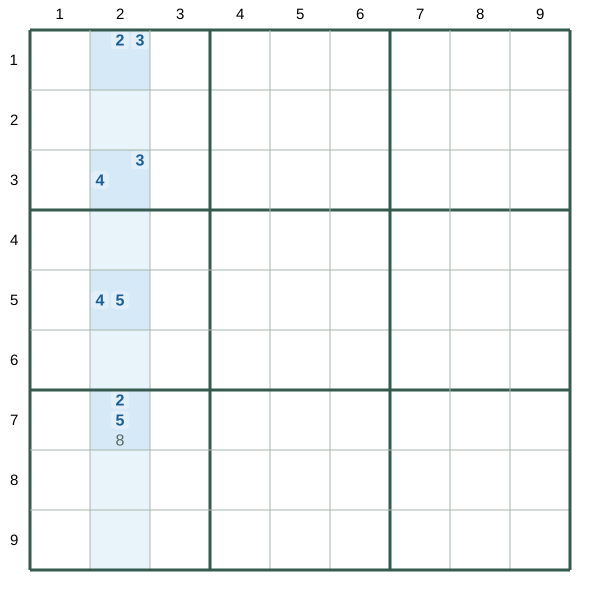
Draw the conclusion
No
Recognition practice 17
Do the highlighted cells form a naked set in the marked region?
Draw the conclusion
Yes
Recognition practice 18
Do the highlighted cells form a naked set in the marked region?
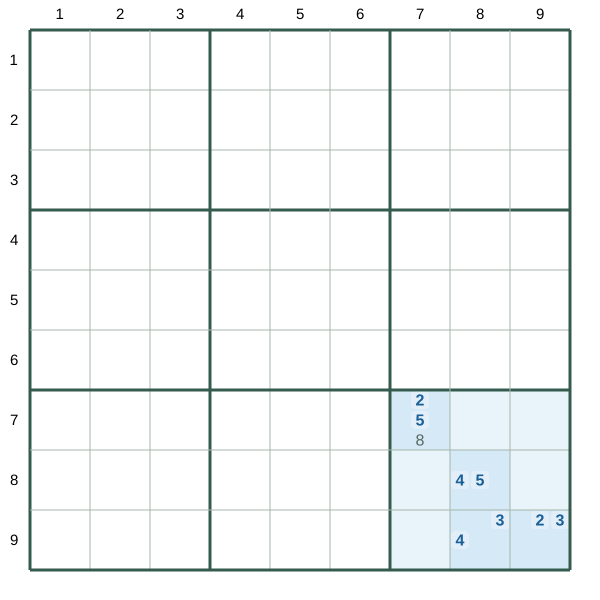
Draw the conclusion
No
Practice
This course is adapted from Platon Sudoku App. Read the complete example here, then continue learning and practising in the app.
View on Google Play