Platon Sudoku · Sudoku Study
Coloring components · Core Concepts
Candidates connected by a path of strong links form one component. The letter A in a different component is an independent state.
This course is adapted from Platon Sudoku App. Read the complete example here, then continue learning and practising in the app.
View on Google PlayDefinition
Candidates connected by a path of strong links form one component. The letter A in a different component is an independent state.
How to find it
Extend coloring along verified strong links until no new candidate connects, then start a new component.
Common mistake
Matching color labels alone cannot join two disconnected components.
2 nodes
Teaching board · local candidate diagram
Observe candidates
Candidates connected by a path of strong links form one component. The letter A in a different component is an independent state.
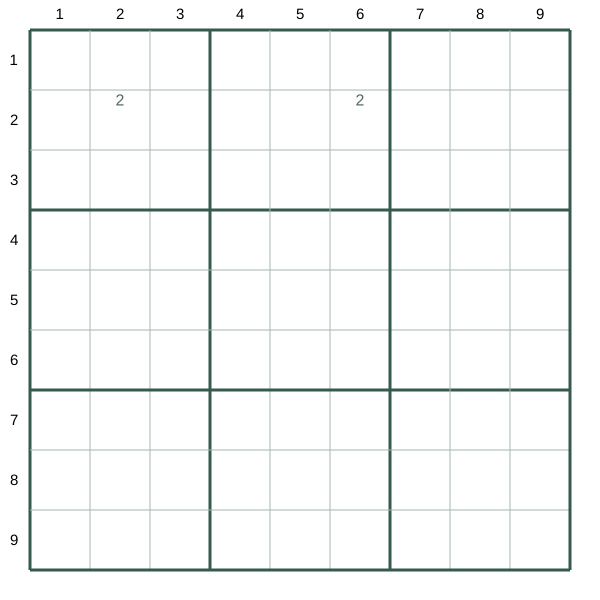
Verify the condition
Extend coloring along verified strong links until no new candidate connects, then start a new component.
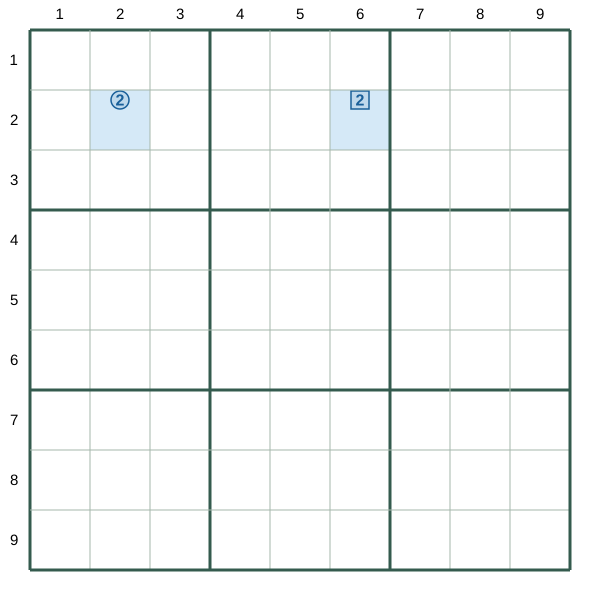
● 1A: R2C2=2
■ 1B: R2C6=2
Draw the conclusion
The colored candidates connect through strong links and share one component.
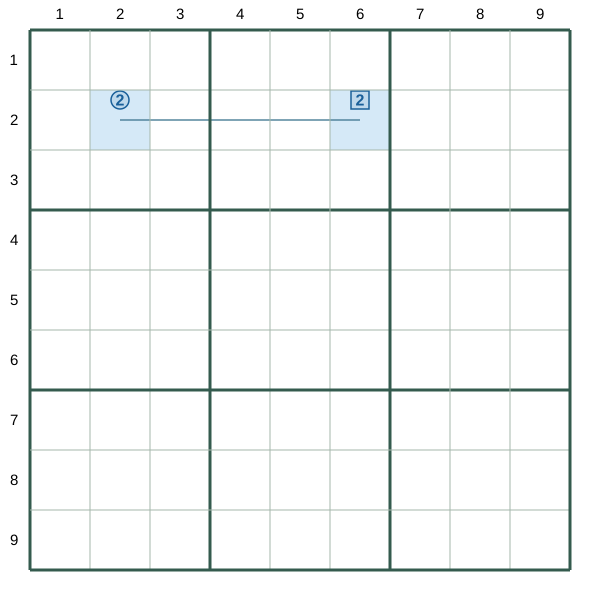
● 1A: R2C2=2
■ 1B: R2C6=2
3 nodes
Teaching board · local candidate diagram
Observe candidates
Candidates connected by a path of strong links form one component. The letter A in a different component is an independent state.
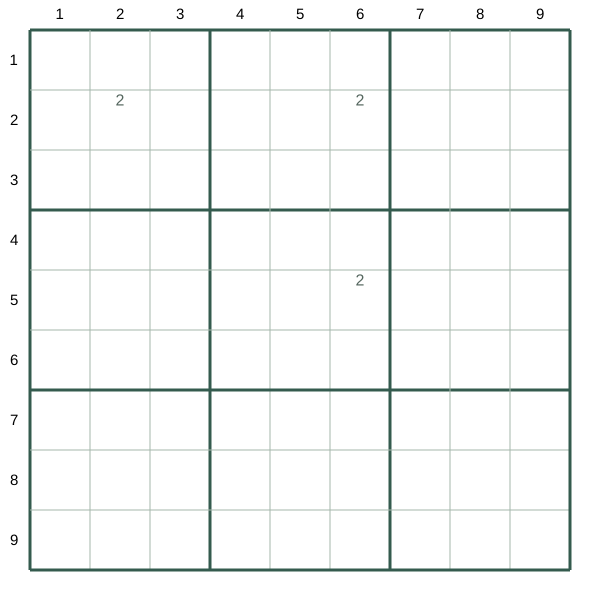
Verify the condition
Extend coloring along verified strong links until no new candidate connects, then start a new component.
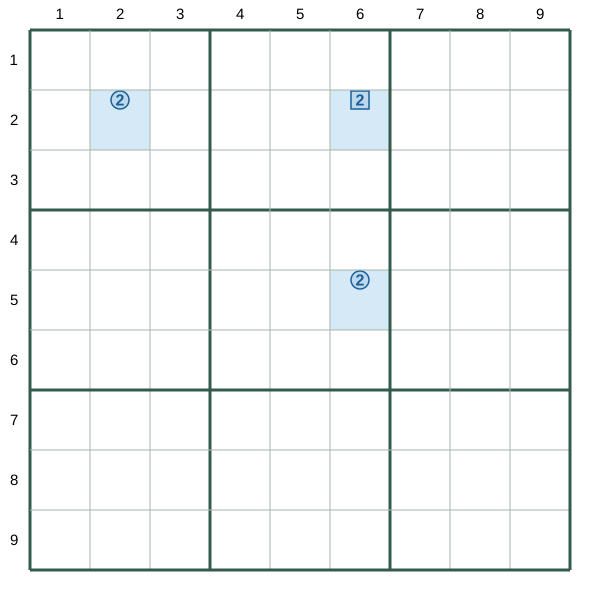
● 1A: R2C2=2, R5C6=2
■ 1B: R2C6=2
Draw the conclusion
The colored candidates connect through strong links and share one component.
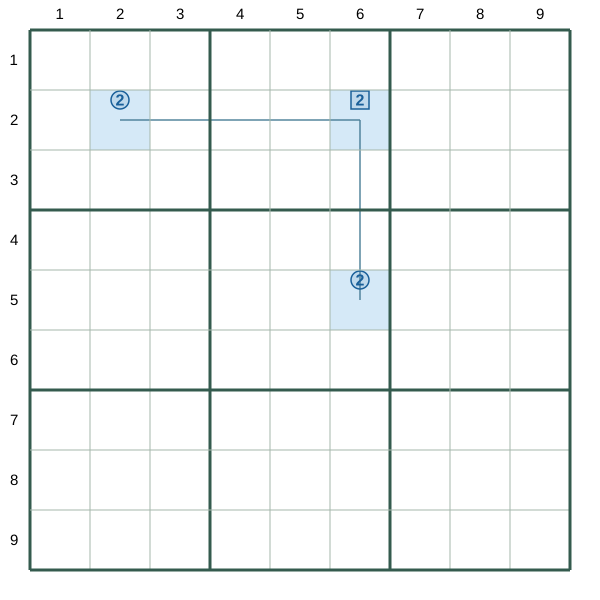
● 1A: R2C2=2, R5C6=2
■ 1B: R2C6=2
4 nodes
Teaching board · local candidate diagram
Observe candidates
Candidates connected by a path of strong links form one component. The letter A in a different component is an independent state.
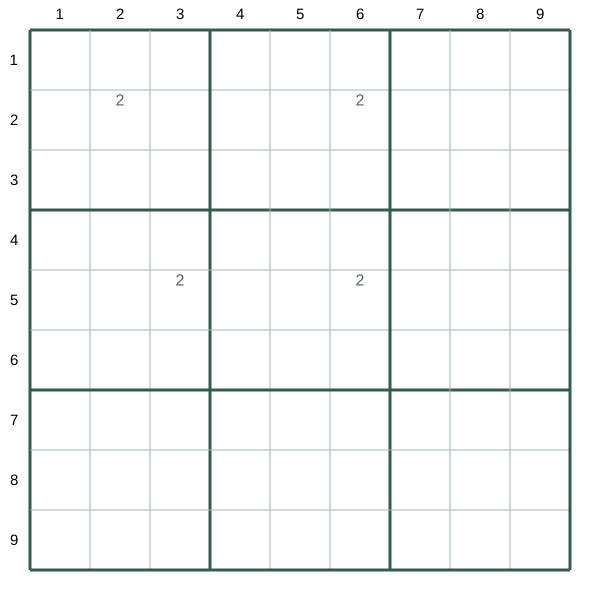
Verify the condition
Extend coloring along verified strong links until no new candidate connects, then start a new component.
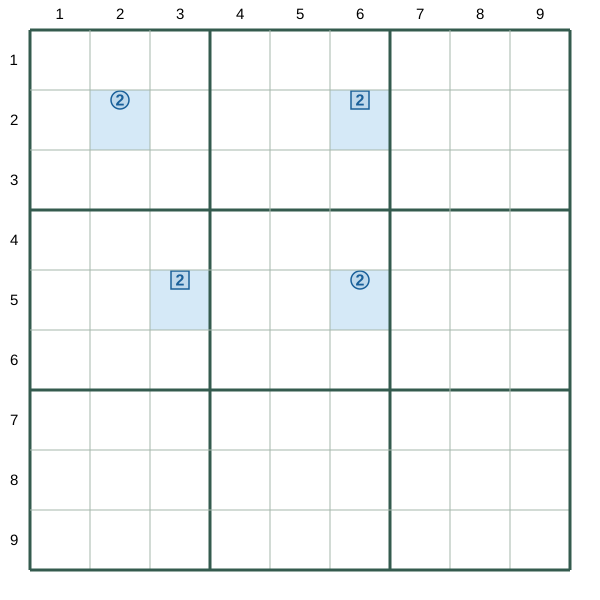
● 1A: R2C2=2, R5C6=2
■ 1B: R2C6=2, R5C3=2
Draw the conclusion
The colored candidates connect through strong links and share one component.
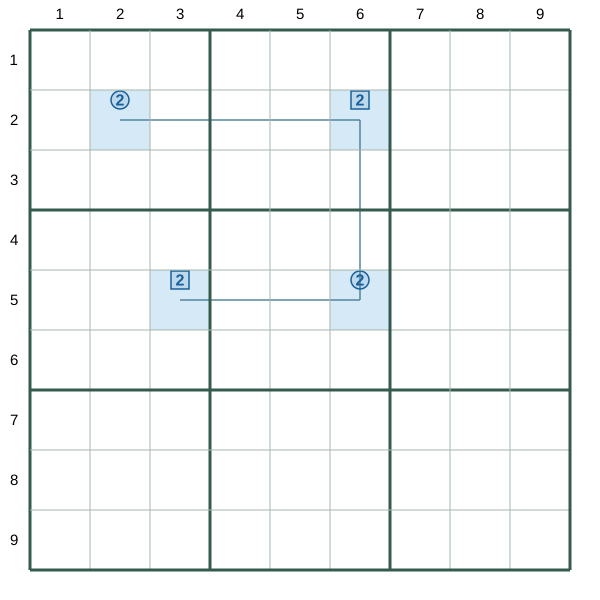
● 1A: R2C2=2, R5C6=2
■ 1B: R2C6=2, R5C3=2
Recognition practice
Teaching board · local candidate diagram
Recognition practice 1
Do these colored candidates belong to one connected component?
● 1A: R2C2=2
■ 1B: R2C6=2
Draw the conclusion
Yes
Recognition practice 2
Do these colored candidates belong to one connected component?
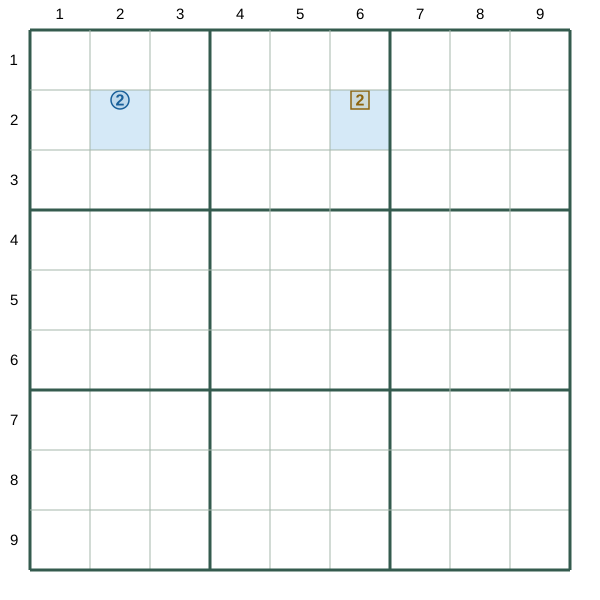
● 1A: R2C2=2
■ 2B: R2C6=2
Draw the conclusion
No
Recognition practice 3
Do these colored candidates belong to one connected component?
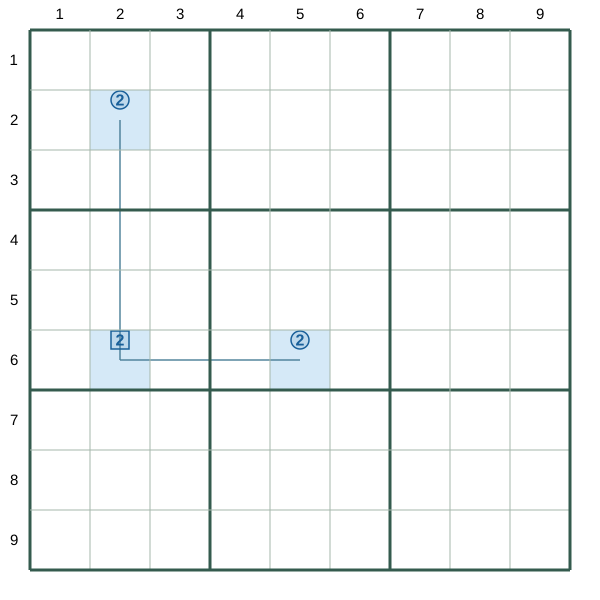
● 1A: R2C2=2, R6C5=2
■ 1B: R6C2=2
Draw the conclusion
Yes
Recognition practice 4
Do these colored candidates belong to one connected component?
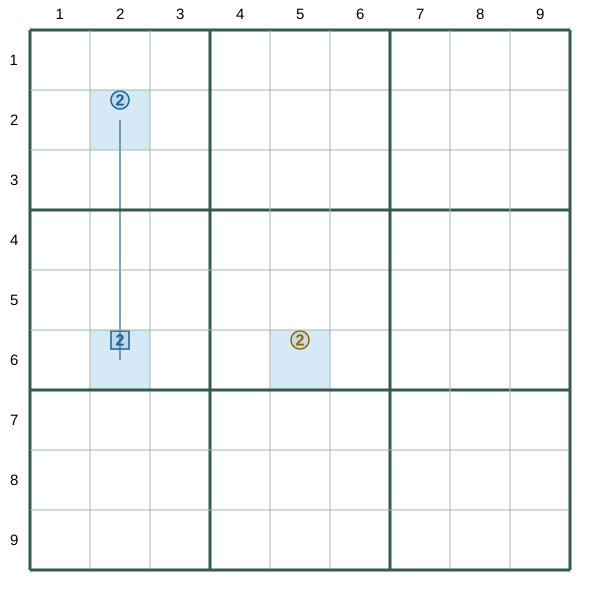
● 1A: R2C2=2
■ 1B: R6C2=2
● 2A: R6C5=2
Draw the conclusion
No
Recognition practice 5
Do these colored candidates belong to one connected component?
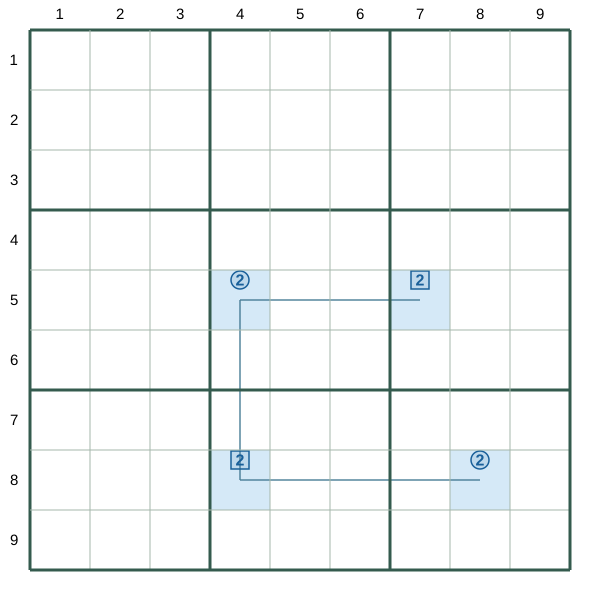
● 1A: R8C8=2, R5C4=2
■ 1B: R8C4=2, R5C7=2
Draw the conclusion
Yes
Recognition practice 6
Do these colored candidates belong to one connected component?
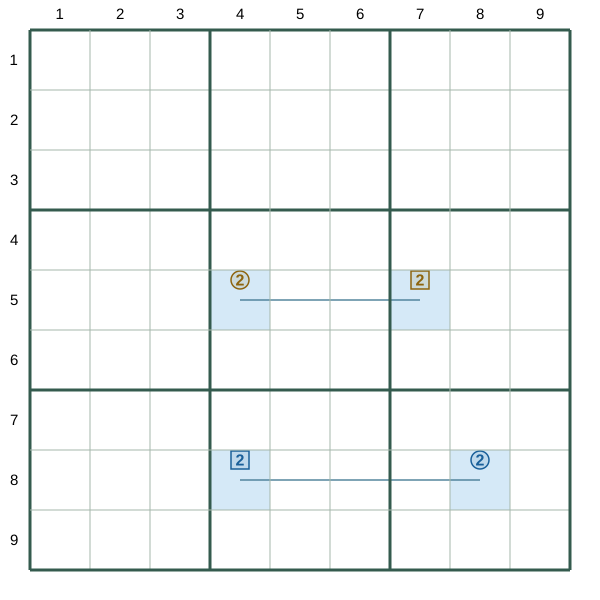
● 1A: R8C8=2
■ 1B: R8C4=2
● 2A: R5C4=2
■ 2B: R5C7=2
Draw the conclusion
No
Recognition practice 7
Do these colored candidates belong to one connected component?
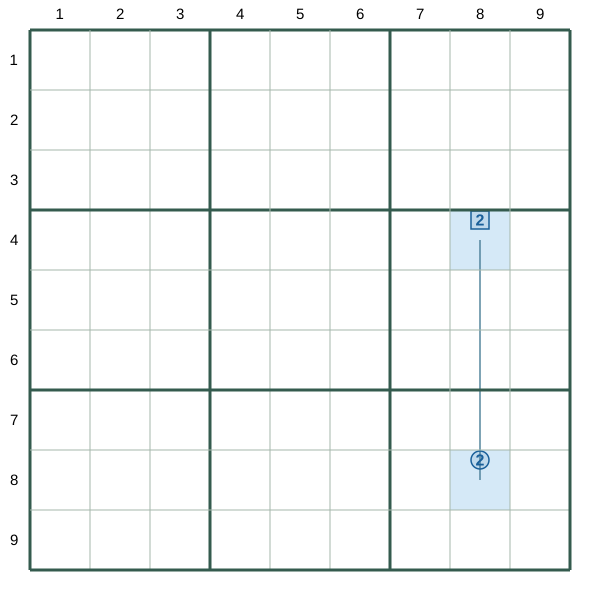
● 1A: R8C8=2
■ 1B: R4C8=2
Draw the conclusion
Yes
Recognition practice 8
Do these colored candidates belong to one connected component?
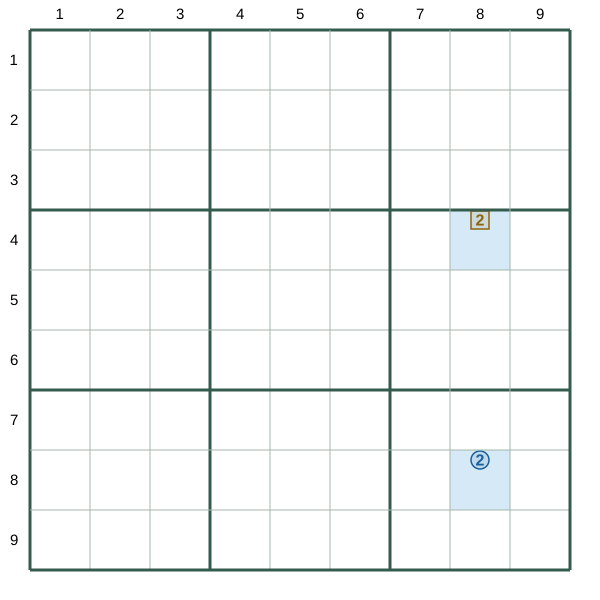
● 1A: R8C8=2
■ 2B: R4C8=2
Draw the conclusion
No
Recognition practice 9
Do these colored candidates belong to one connected component?
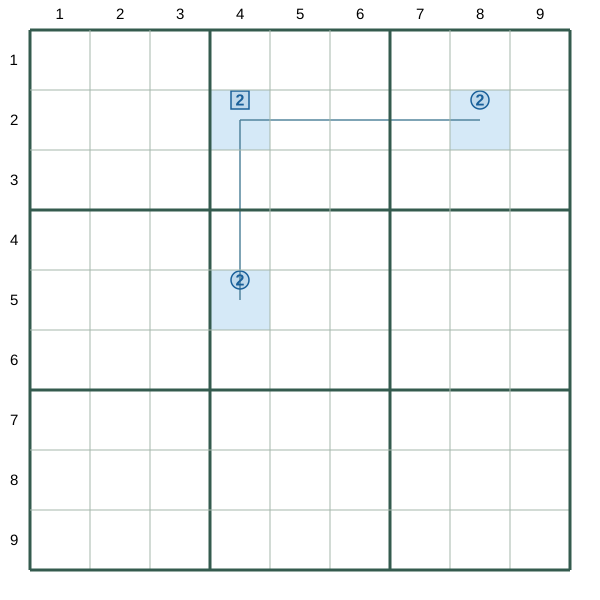
● 1A: R2C8=2, R5C4=2
■ 1B: R2C4=2
Draw the conclusion
Yes
Recognition practice 10
Do these colored candidates belong to one connected component?
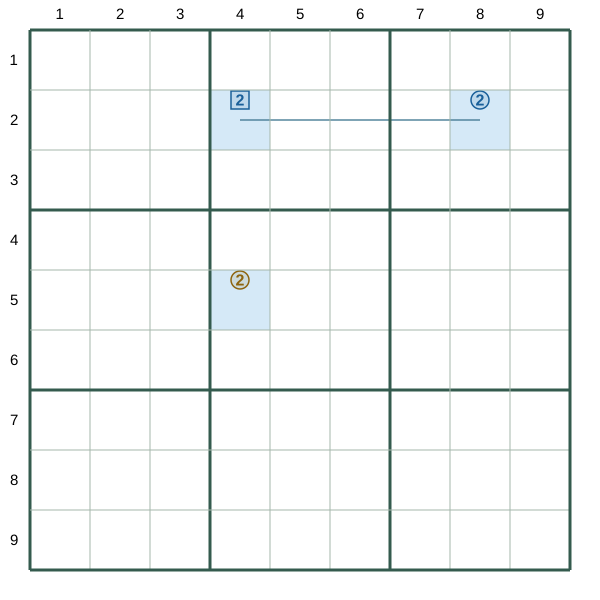
● 1A: R2C8=2
■ 1B: R2C4=2
● 2A: R5C4=2
Draw the conclusion
No
Recognition practice 11
Do these colored candidates belong to one connected component?
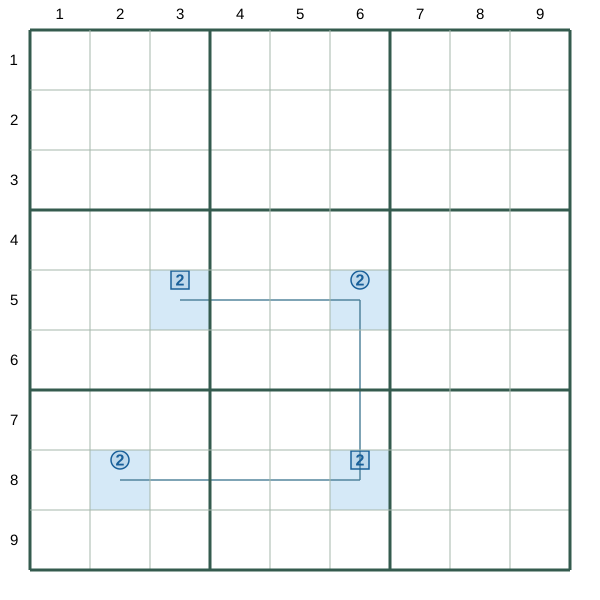
● 1A: R8C2=2, R5C6=2
■ 1B: R8C6=2, R5C3=2
Draw the conclusion
Yes
Recognition practice 12
Do these colored candidates belong to one connected component?
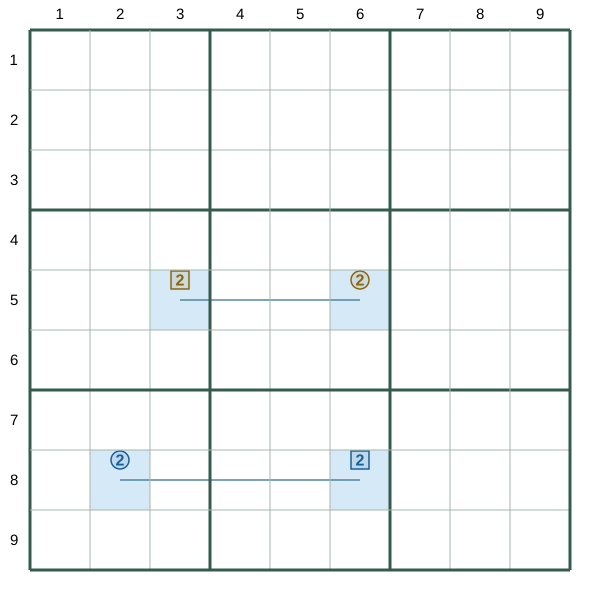
● 1A: R8C2=2
■ 1B: R8C6=2
● 2A: R5C6=2
■ 2B: R5C3=2
Draw the conclusion
No
Practice
This course is adapted from Platon Sudoku App. Read the complete example here, then continue learning and practising in the app.
View on Google Play