Platon Sudoku · Sudoku Study
Forcing Chain · Step-by-step example
An exhaustive set of candidate alternatives is followed through separate linear implication chains. Keep only a placement or elimination shared by every viable branch.
This course is adapted from Platon Sudoku App. Read the complete example here, then continue learning and practising in the app.
View on Google PlayRecognize the pattern
An exhaustive set of candidate alternatives is followed through separate linear implication chains.
How to find it
Choose a true/false split or all positions of a digit in one region; follow each branch to its verified consequence.
What it allows
Keep only a placement or elimination shared by every viable branch.
Avoid the mix-up
One branch reaching a result is insufficient; the starting alternatives must cover all possibilities.
Step-by-step example · Two branches
This example starts from a saved intermediate position. Its candidates include earlier logical eliminations; they are not fresh automatic notes.
Blue: evidence. Green: conclusion. Crossed-out digits: eliminated candidates. R1C1 means row 1, column 1.
Step 1 · Where to look
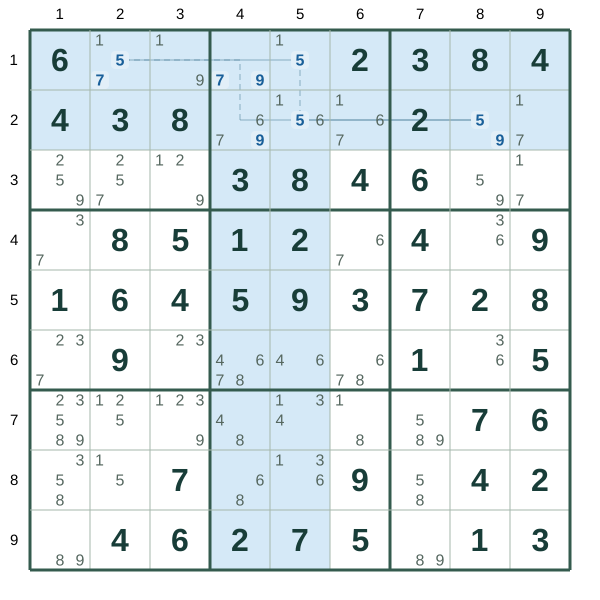
The common result to prove is R1C2=7; the branch switch is R1C2=5. Any candidate is either true or false, so these two branches cover every possibility. If both reach the common result, that result is forced.
Step 2 · Reasoning
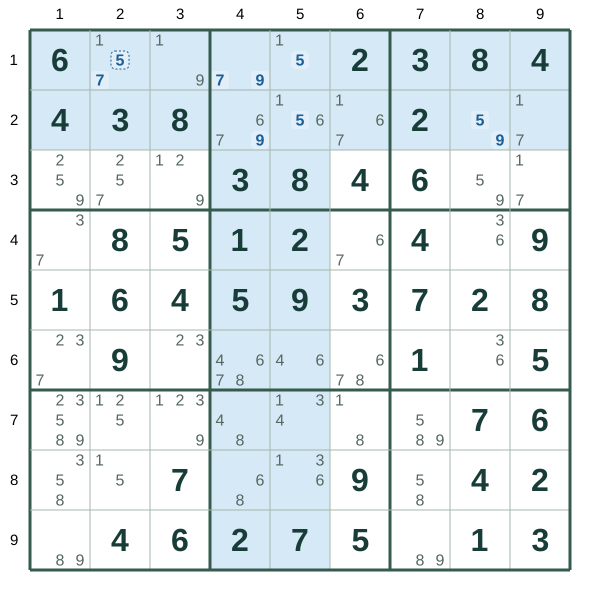
Branch 1: suppose R1C2=5 is true.
Step 3 · Reasoning
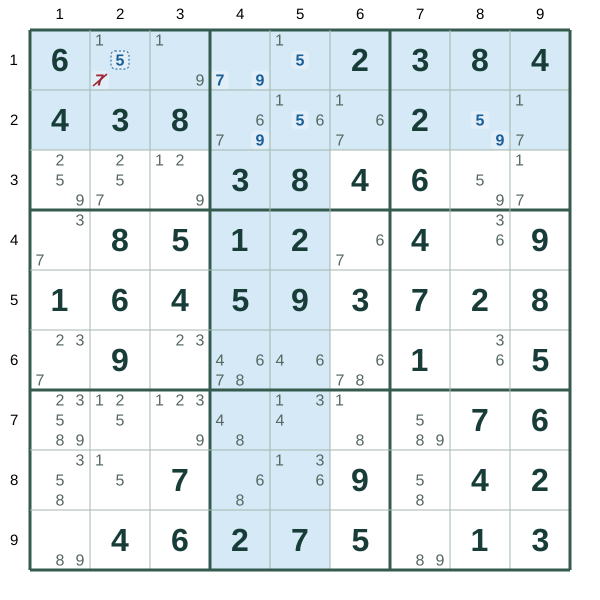
R1C2=5 is true. Remove R1C2=7.
Step 4 · Withdraw the previous rectangle filling
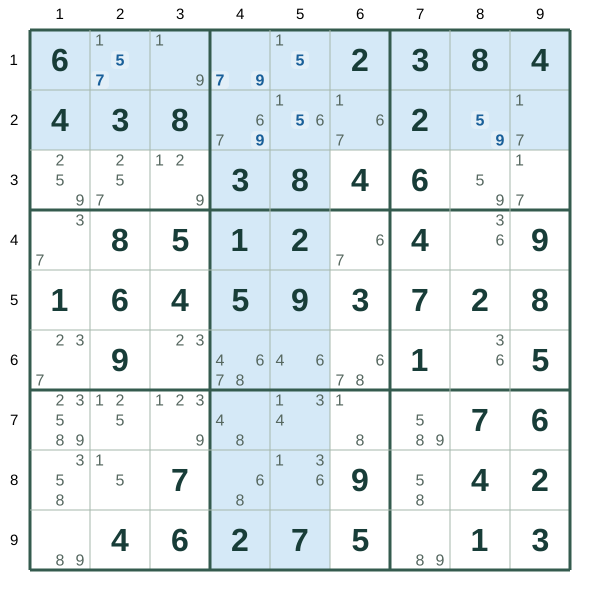
Withdraw this assumption and its consequences. Return to the unchanged candidate snapshot before examining the next possibility.
Step 5 · Reasoning
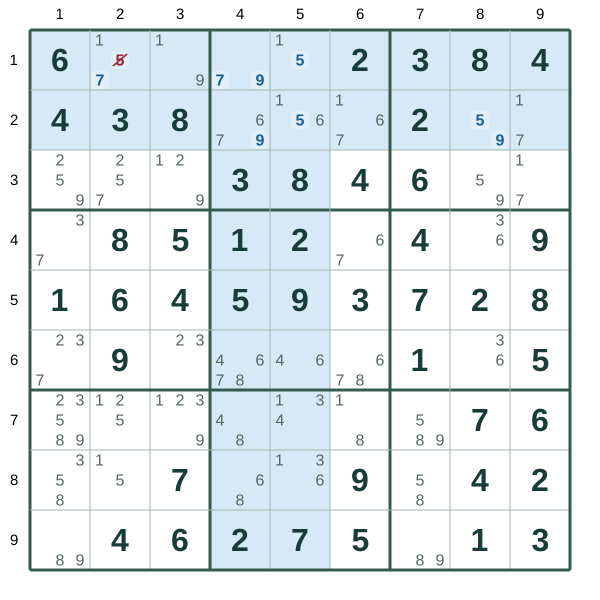
Branch 2: suppose R1C2=5 is false.
Step 6 · Reasoning
R1C2=5 is false. Together these two sides contain every remaining option in row 1. Therefore R1C5=5 must be true.
Step 7 · Reasoning
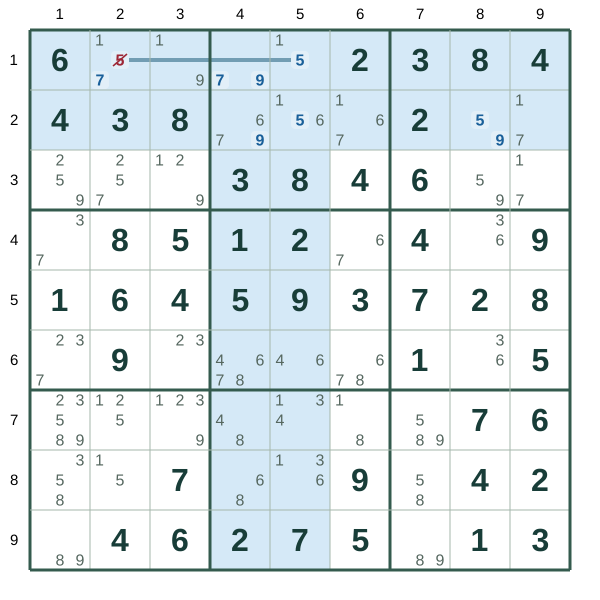
R1C5=5 is true. Remove R2C5=5 from column 5.
Step 8 · Reasoning
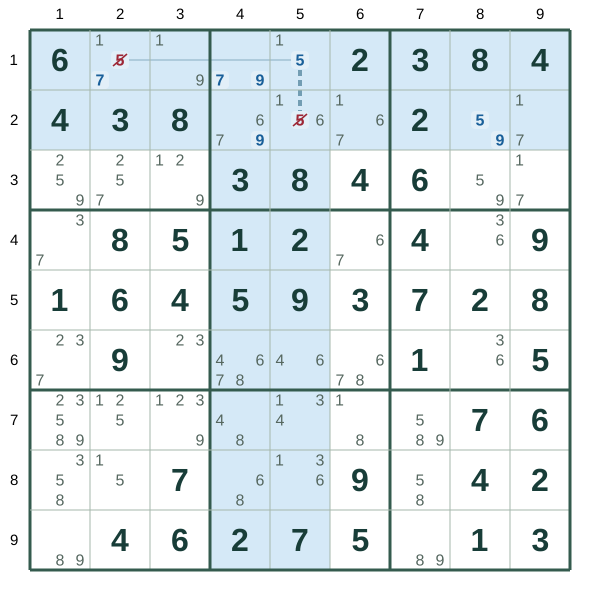
R2C5=5 is false. Together these two sides contain every remaining option in row 2. Therefore R2C8=5 must be true.
Step 9 · Reasoning
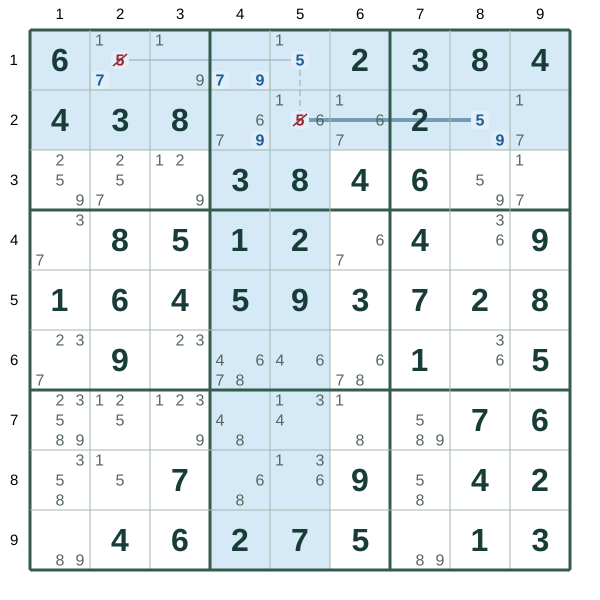
R2C8=5 is true. Remove R2C8=9.
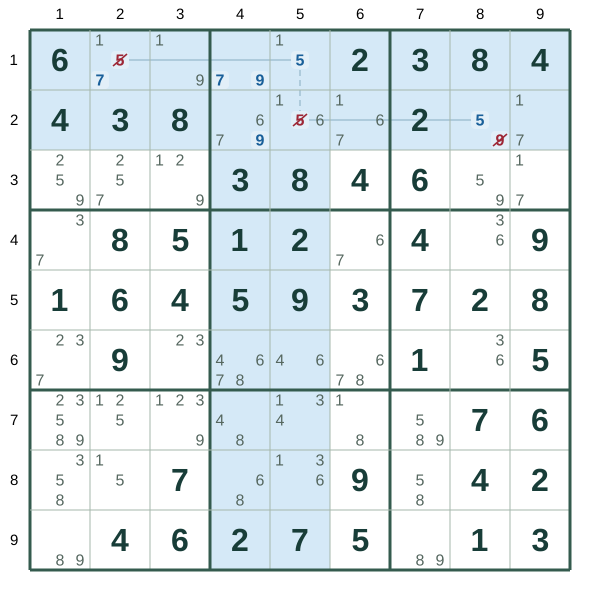
Step 10 · Reasoning
R2C8=9 is false. Together these two sides contain every remaining option in row 2. Therefore R2C4=9 must be true.
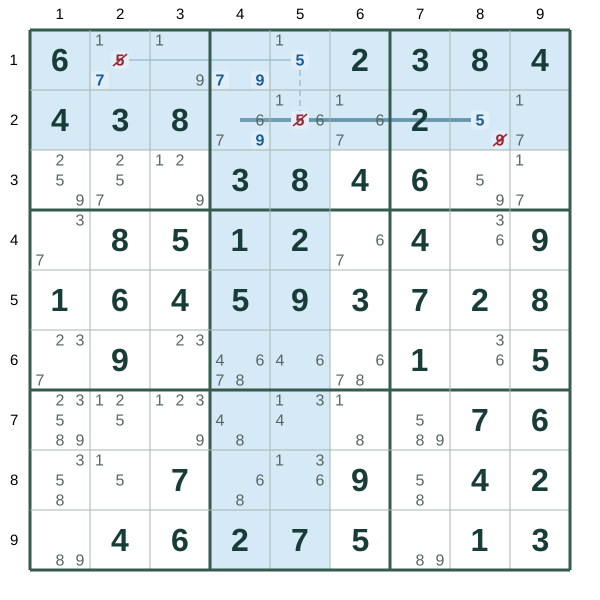
Step 11 · Reasoning
R2C4=9 is true. Remove R1C4=9 from column 4.
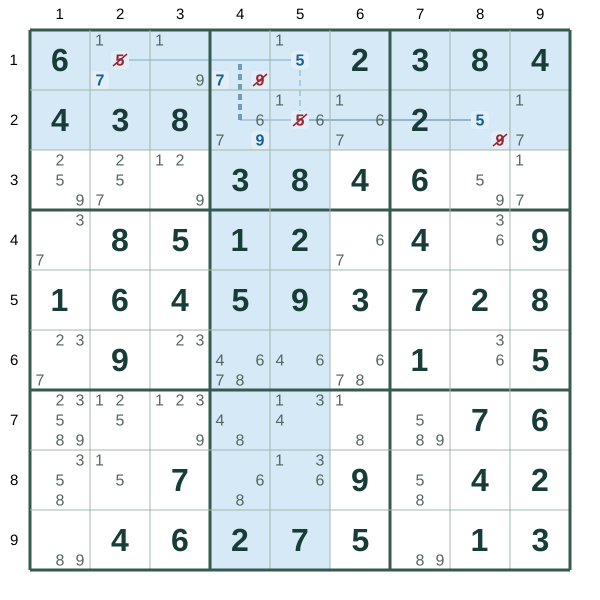
Step 12 · Reasoning
R1C4=9 is false. R1C4 now has only R1C4=7 left, so it must be true.
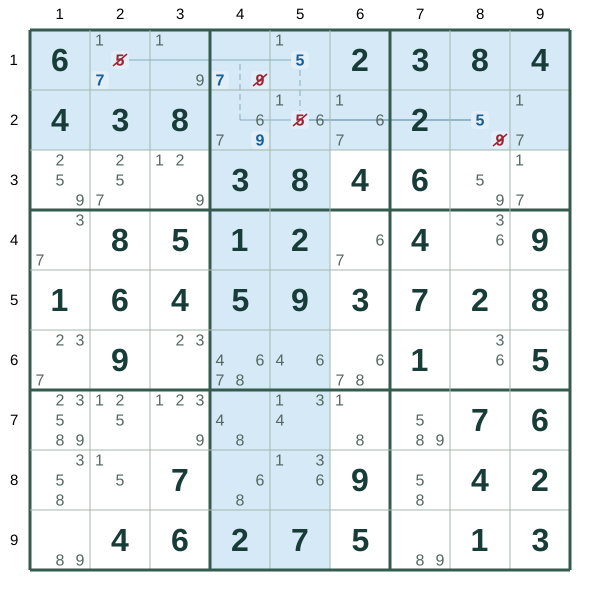
Step 13 · Reasoning
R1C4=7 is true. Remove R1C2=7 from row 1.
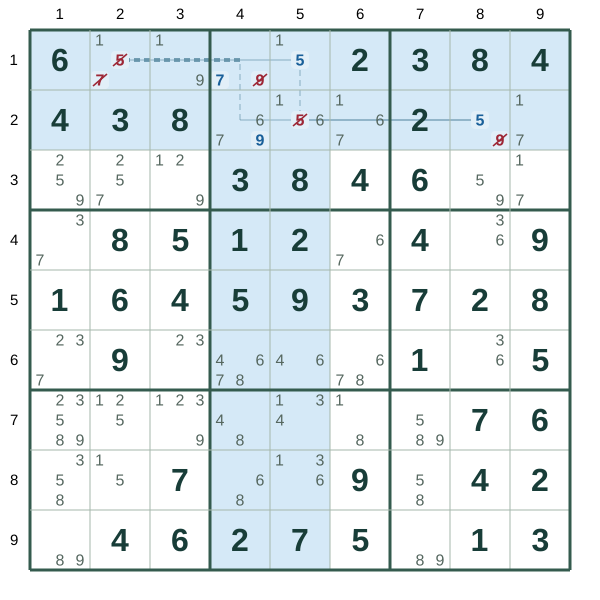
Step 14 · Reasoning
Every possible branch reaches the same fact: R1C2=7 is false. After withdrawing all assumptions, this fact remains certain.
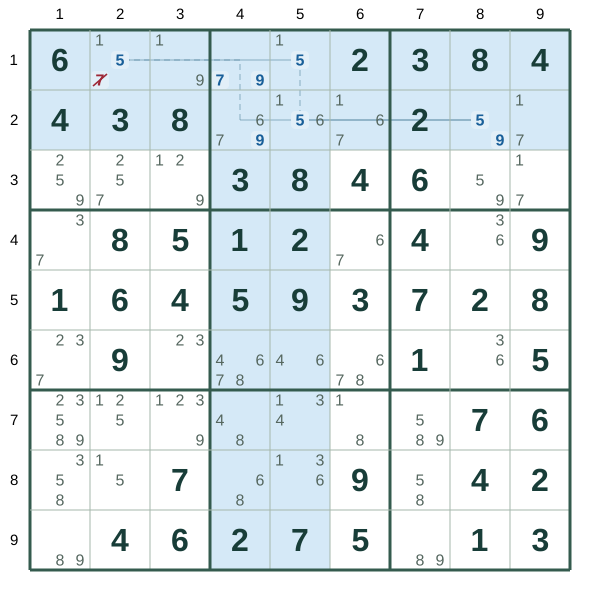
Step 15 · Conclusion
The verified result is R1C2=7 is false. All temporary assumptions have been withdrawn.
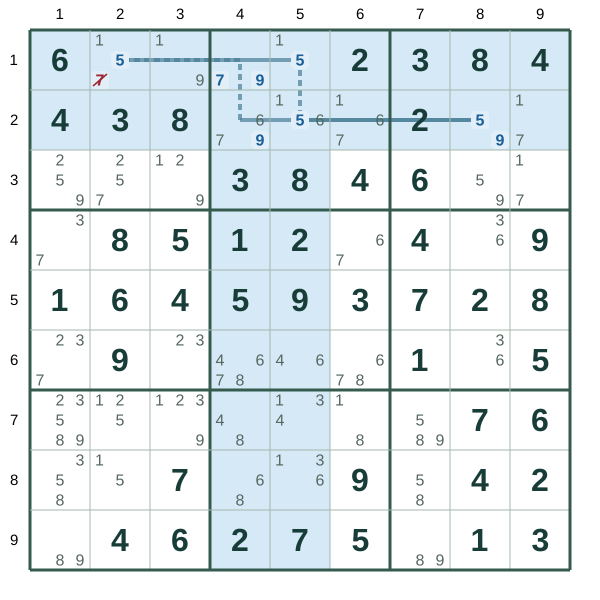
What it allows
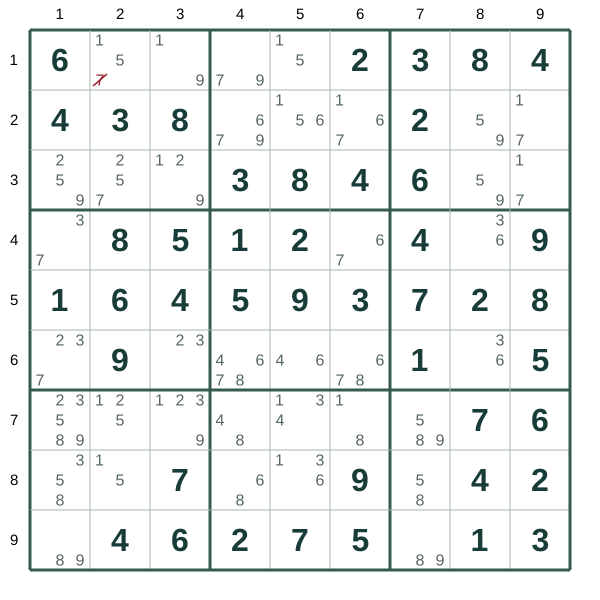
The verified result is R1C2=7 is false. All temporary assumptions have been withdrawn.
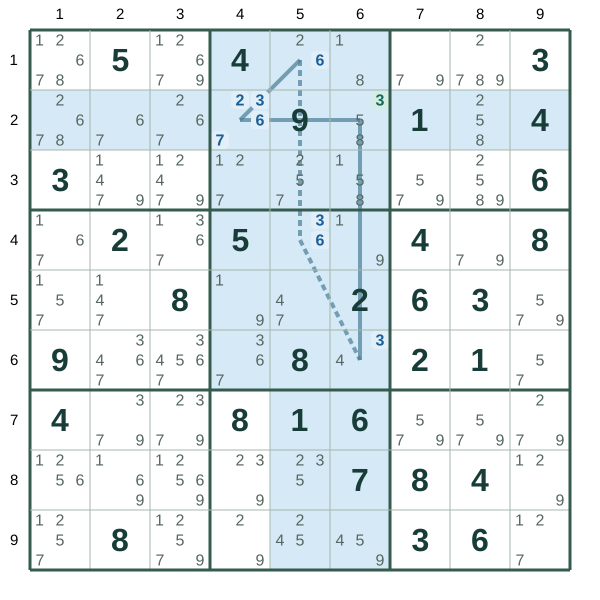
Step-by-step example · Several branches
This example starts from a saved intermediate position. Its candidates include earlier logical eliminations; they are not fresh automatic notes.
Blue: evidence. Green: conclusion. Crossed-out digits: eliminated candidates. R1C1 means row 1, column 1.
Step 1 · Where to look
The roots R2C4=2, R2C4=3, R2C4=6, R2C4=7 are every possible candidate in R2C4. Follow each as a separate linear implication chain; if every root reaches R2C6=3, that result is forced. Multiple roots alone do not make this a Forcing Net.
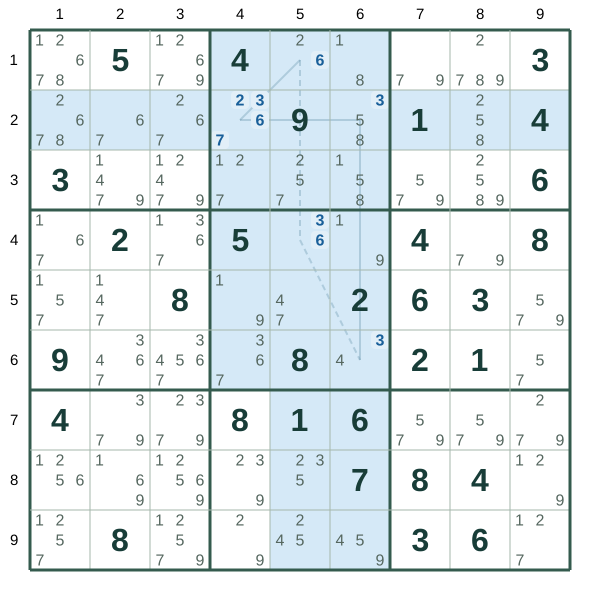
Step 2 · Reasoning
Branch 1: suppose R2C4=2 is true.
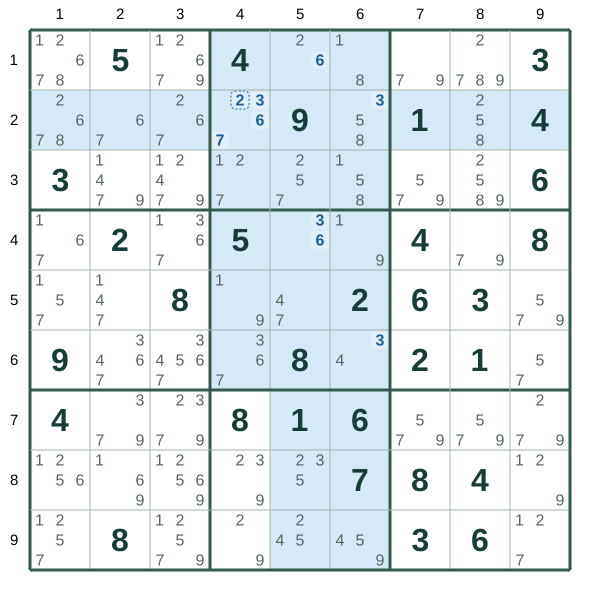
Step 3 · Reasoning
R2C4=2 is true. Remove R2C4=3.
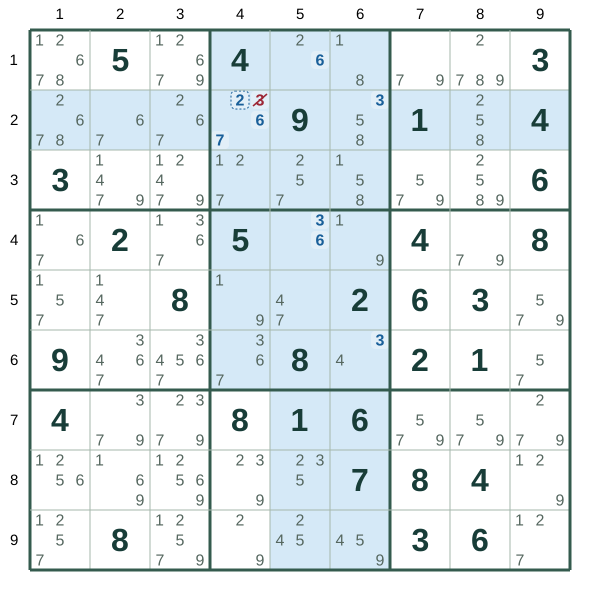
Step 4 · Reasoning
R2C4=3 is false. Together these two sides contain every remaining option in row 2. Therefore R2C6=3 must be true.
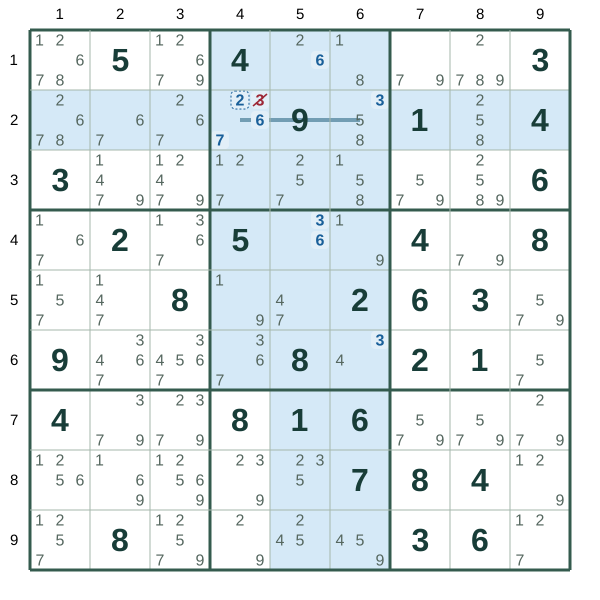
Step 5 · Withdraw the previous rectangle filling
Withdraw this assumption and its consequences. Return to the unchanged candidate snapshot before examining the next possibility.
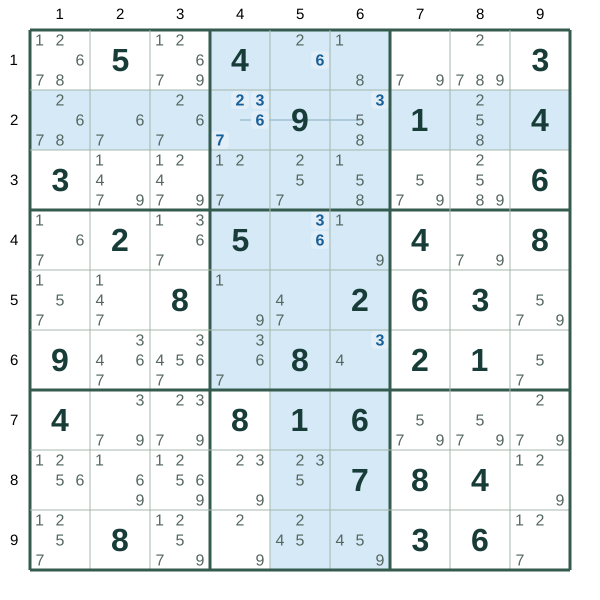
Step 6 · Reasoning
Branch 2: suppose R2C4=3 is true.
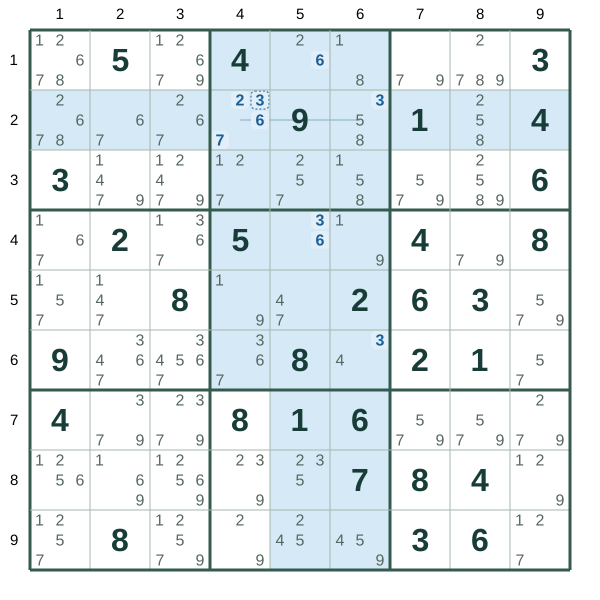
Step 7 · Reasoning
R2C4=3 is true. Remove R2C4=6.
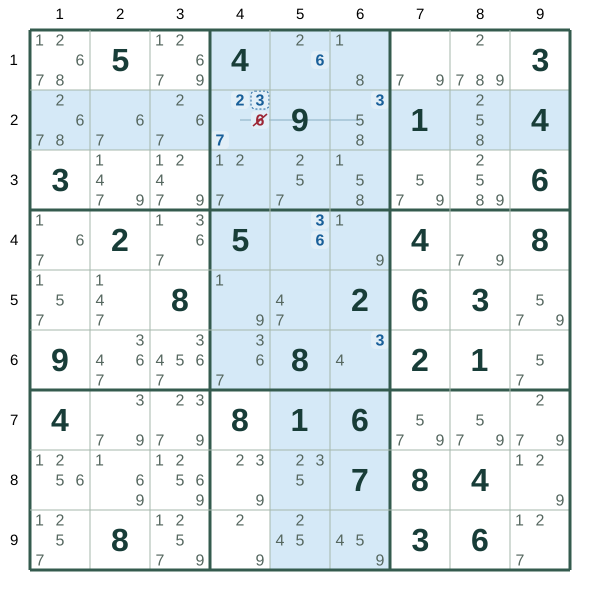
Step 8 · Reasoning
R2C4=6 is false. Together these two sides contain every remaining option in box 2. Therefore R1C5=6 must be true.
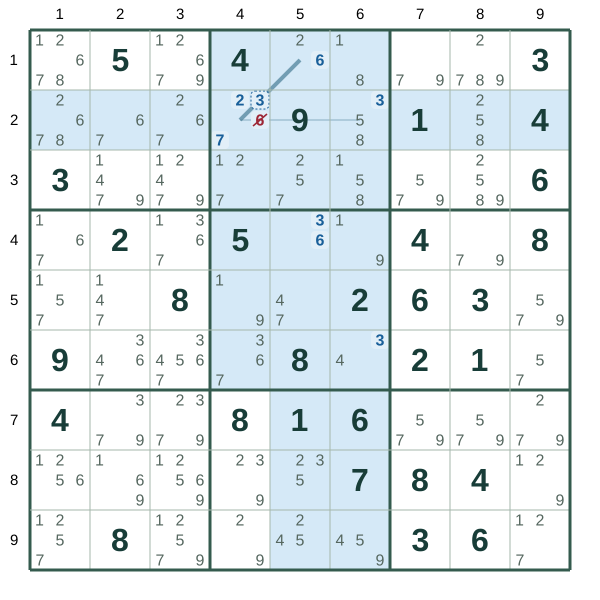
Step 9 · Reasoning
R1C5=6 is true. Remove R4C5=6 from column 5.
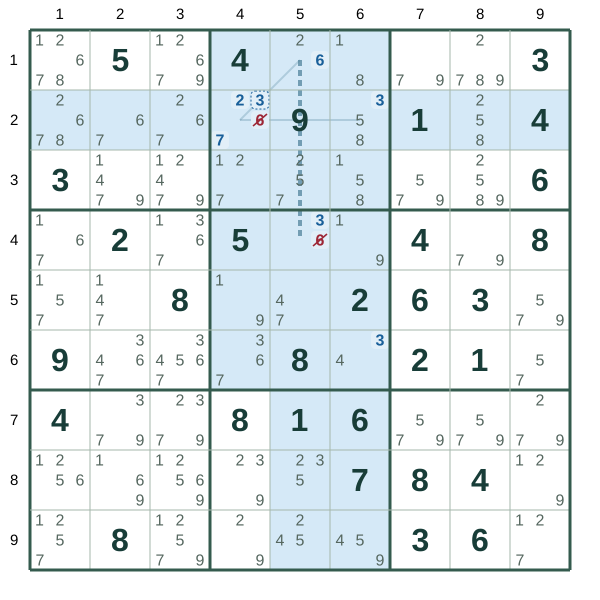
Step 10 · Reasoning
R4C5=6 is false. R4C5 now has only R4C5=3 left, so it must be true.
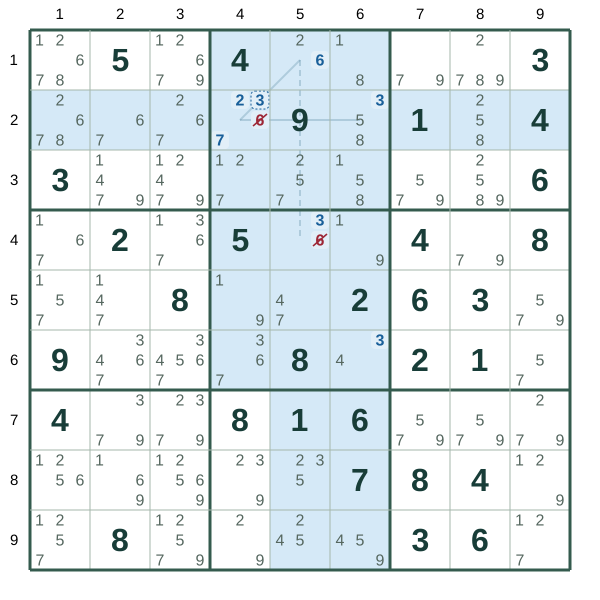
Step 11 · Reasoning
R4C5=3 is true. Remove R6C6=3 from box 5.
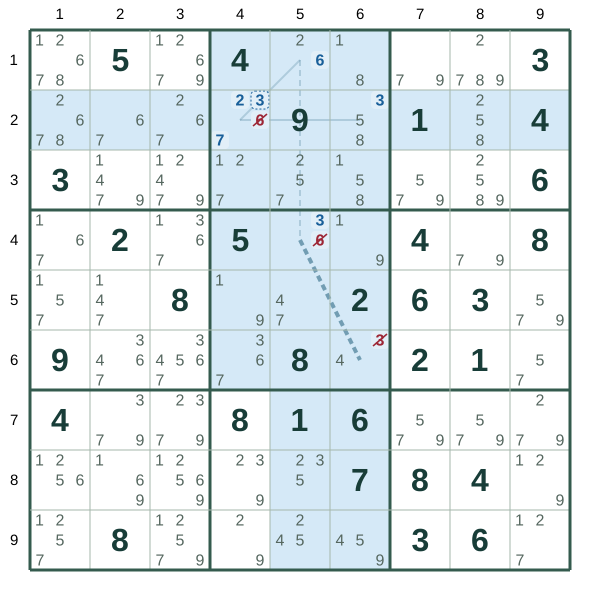
Step 12 · Reasoning
R6C6=3 is false. Together these two sides contain every remaining option in column 6. Therefore R2C6=3 must be true.
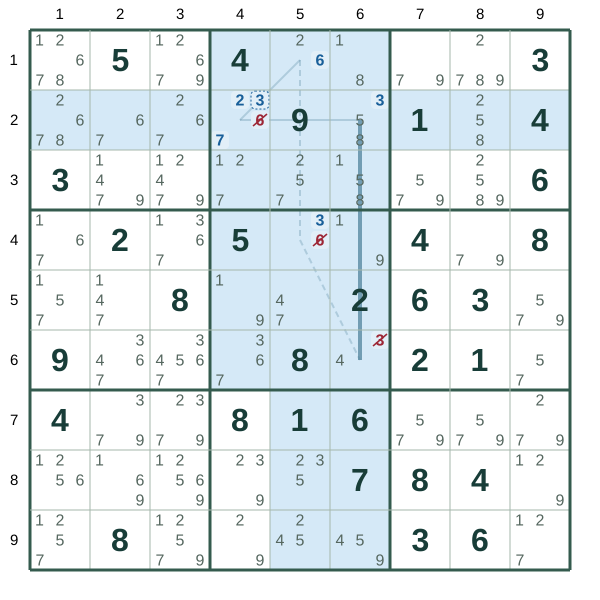
Step 13 · Withdraw the previous rectangle filling
Withdraw this assumption and its consequences. Return to the unchanged candidate snapshot before examining the next possibility.
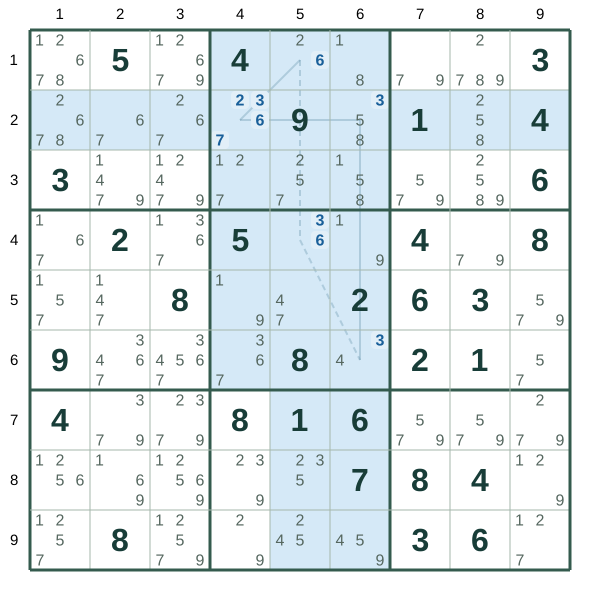
Step 14 · Reasoning
Branch 3: suppose R2C4=6 is true.
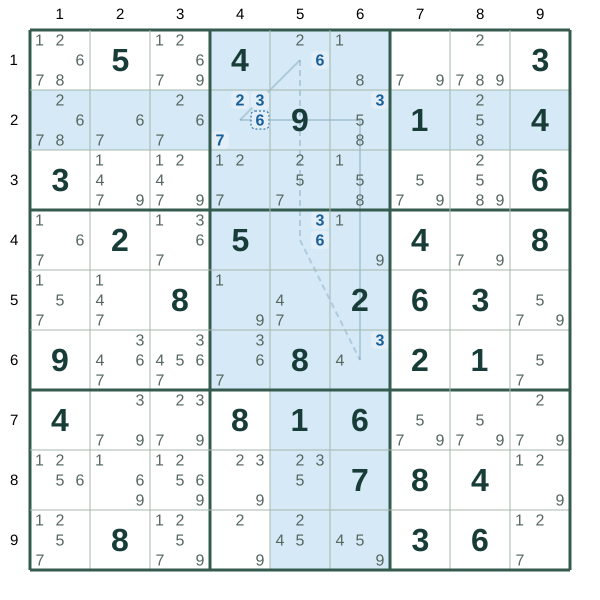
Step 15 · Reasoning
R2C4=6 is true. Remove R2C4=3.
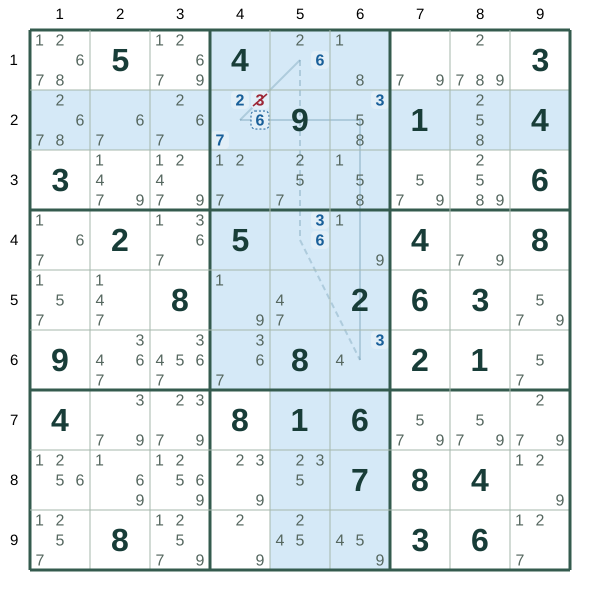
Step 16 · Reasoning
R2C4=3 is false. Together these two sides contain every remaining option in row 2. Therefore R2C6=3 must be true.
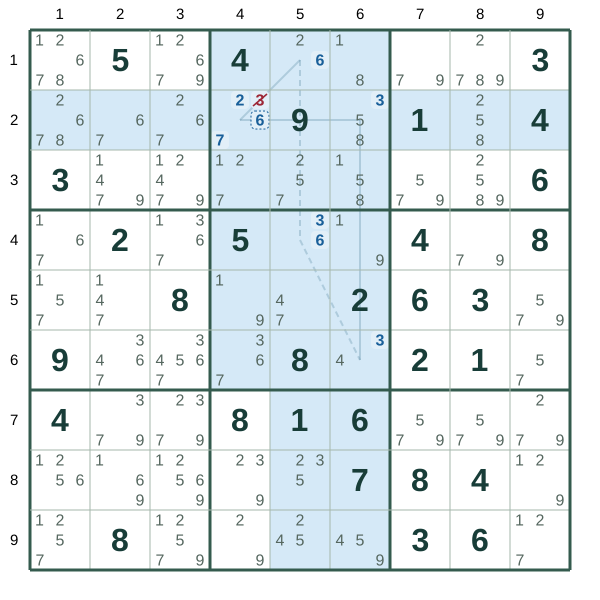
Step 17 · Withdraw the previous rectangle filling
Withdraw this assumption and its consequences. Return to the unchanged candidate snapshot before examining the next possibility.
Step 18 · Reasoning
Branch 4: suppose R2C4=7 is true.
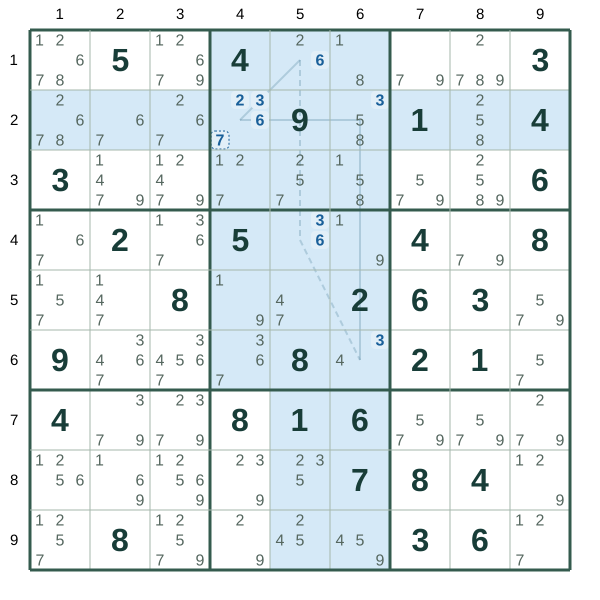
Step 19 · Reasoning
R2C4=7 is true. Remove R2C4=3.
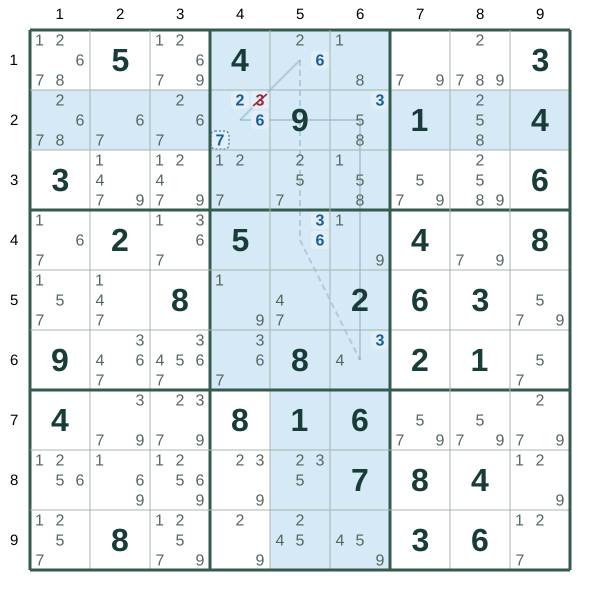
Step 20 · Reasoning
R2C4=3 is false. Together these two sides contain every remaining option in row 2. Therefore R2C6=3 must be true.
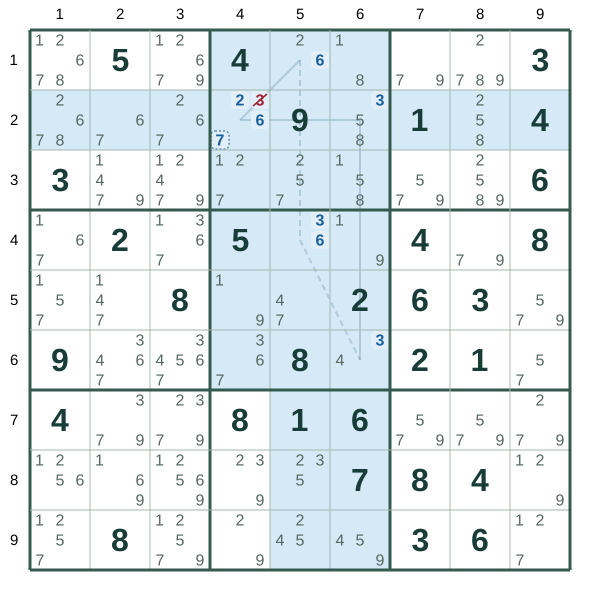
Step 21 · Reasoning
Every possible branch reaches the same fact: R2C6=3 is true. After withdrawing all assumptions, this fact remains certain.
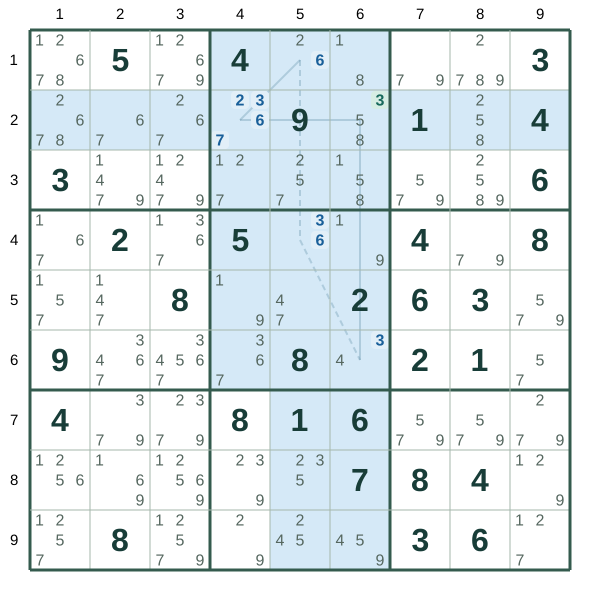
Step 22 · Conclusion
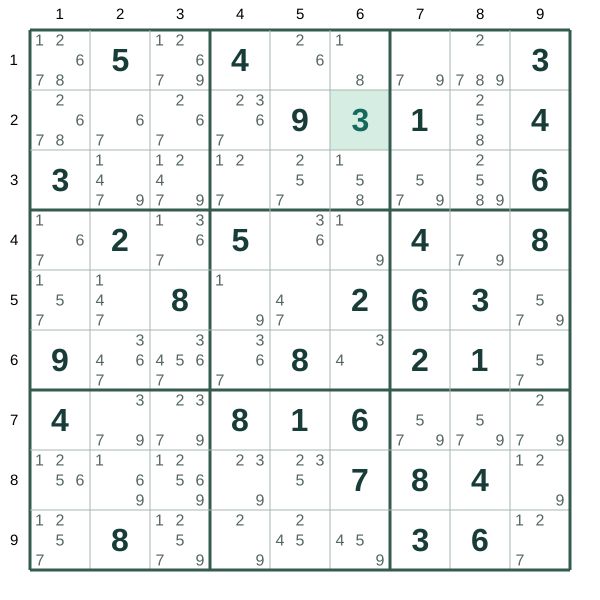
The verified result is R2C6=3 is true. All temporary assumptions have been withdrawn.
What it allows
The verified result is R2C6=3 is true. All temporary assumptions have been withdrawn.
Practice
This course is adapted from Platon Sudoku App. Read the complete example here, then continue learning and practising in the app.
View on Google Play