Platon Sudoku · Sudoku Study
Remote Pair · Step-by-step example
A connected group of identical two-candidate cells alternates the two digits across peer links. It can be a short or long line, or a longer branched network. Remove either pair digit from a target that sees witnesses for both possible assignments.
This course is adapted from Platon Sudoku App. Read the complete example here, then continue learning and practising in the app.
View on Google PlayRecognize the pattern
A connected group of identical two-candidate cells alternates the two digits across peer links. It can be a short or long line, or a longer branched network.
How to find it
Find matching two-candidate cells, trace their connected peer links, and assign alternating A/B states across one component.
What it allows
Remove either pair digit from a target that sees witnesses for both possible assignments.
Avoid the mix-up
All marked cells must have exactly the same two candidates. Check that the target sees the required opposite states rather than just two nearby cells.
Step-by-step example · Short line
This example starts from a saved intermediate position. Its candidates include earlier logical eliminations; they are not fresh automatic notes.
Blue: evidence. Green: conclusion. Crossed-out digits: eliminated candidates. R1C1 means row 1, column 1.
Step 1 · This is a Remote Pair
The marked cells form one Remote Pair coloring component using 1, 7. Round A and square B are its two opposite assignments. Keep the target R4C1=7 in view.
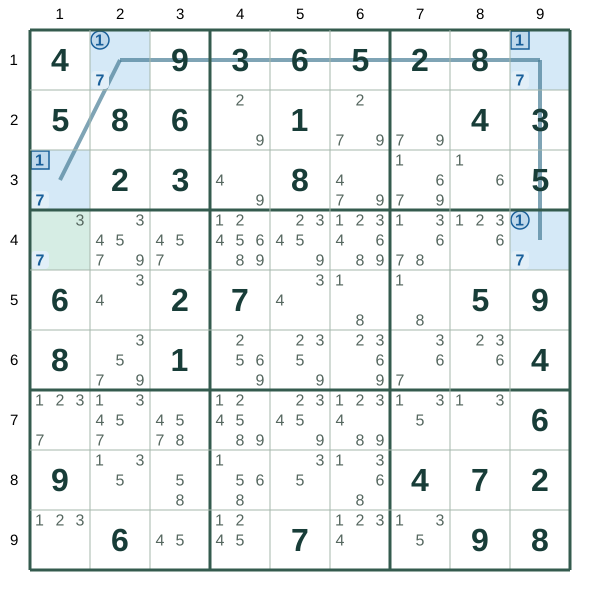
● 1A: R1C2=1, R4C9=1
■ 1B: R1C9=1, R3C1=1
Step 2 · Confirm the matching bivalue cells
Every chain cell—R1C2, R4C9, R1C9, R3C1—has exactly the same two candidates: 1, 7.
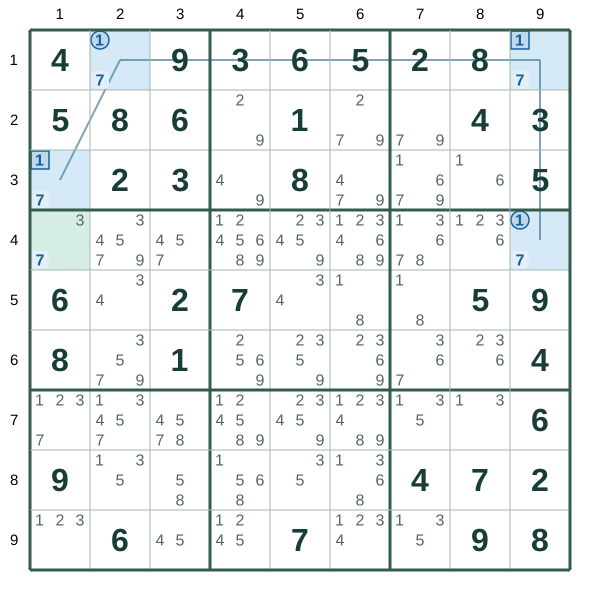
● 1A: R1C2=1, R4C9=1
■ 1B: R1C9=1, R3C1=1
Step 3 · Follow the alternating chain
Along the selected continuous path, connected cells see each other and must swap 1, 7. Round A and square B therefore alternate as opposite states within the same component.
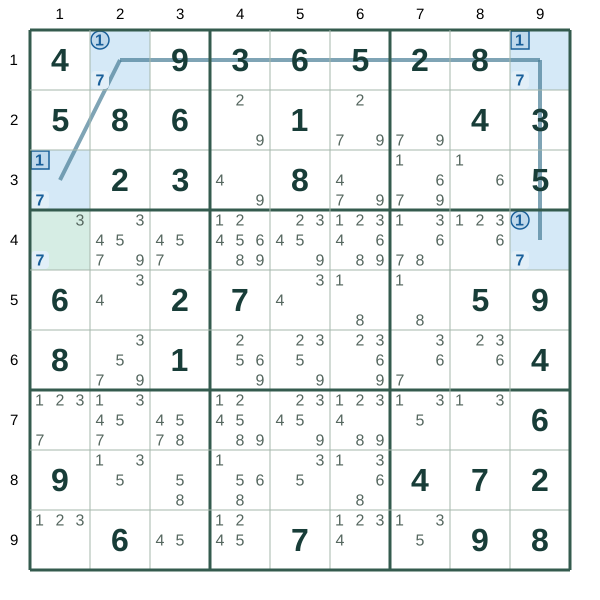
● 1A: R1C2=1, R4C9=1
■ 1B: R1C9=1, R3C1=1
Step 4 · Case 1: A is 1, B is 7
A gives R4C9=1; B gives R3C1=7. The target R4C1=7 sees both digits in this assignment.
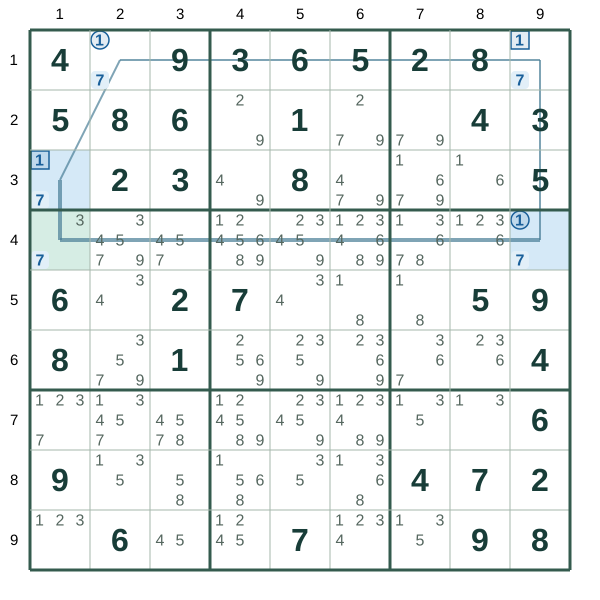
● 1A: R1C2=1, R4C9=1
■ 1B: R1C9=1, R3C1=1
Step 5 · Case 2: A is 7, B is 1
A gives R4C9=7; B gives R3C1=1. The target R4C1=7 sees both digits in this assignment.
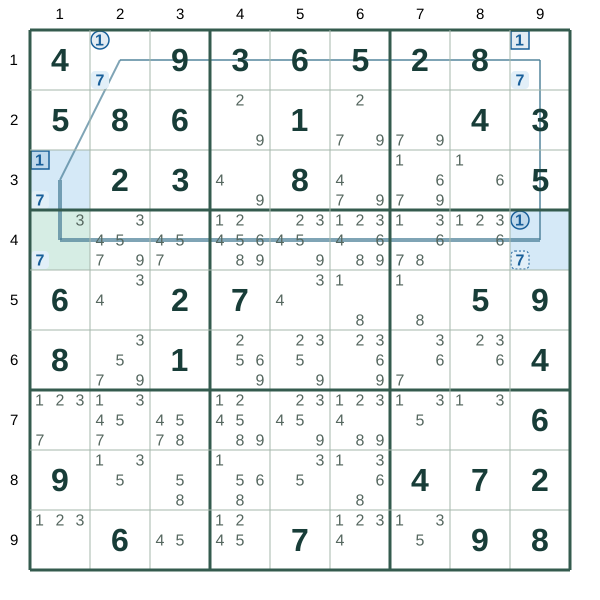
● 1A: R1C2=1, R4C9=1
■ 1B: R1C9=1, R3C1=1
Step 6 · Remove the remote pair from the target
Both possible assignments put one pair digit at each witness, so remove R4C1=7.
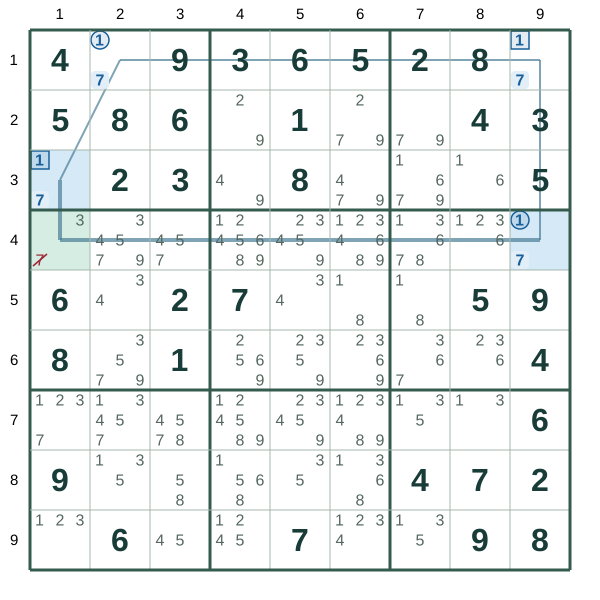
● 1A: R1C2=1, R4C9=1
■ 1B: R1C9=1, R3C1=1
What it allows
Both possible assignments put one pair digit at each witness, so remove R4C1=7.
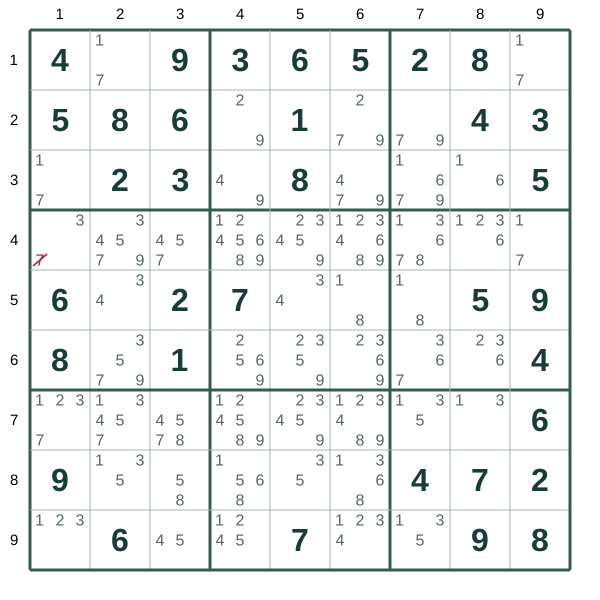
Step-by-step example · Long line
This example starts from a saved intermediate position. Its candidates include earlier logical eliminations; they are not fresh automatic notes.
Blue: evidence. Green: conclusion. Crossed-out digits: eliminated candidates. R1C1 means row 1, column 1.
Step 1 · This is a Remote Pair
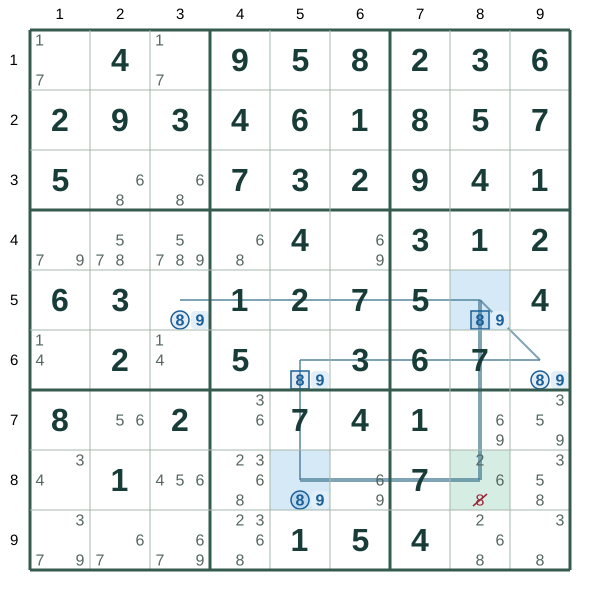
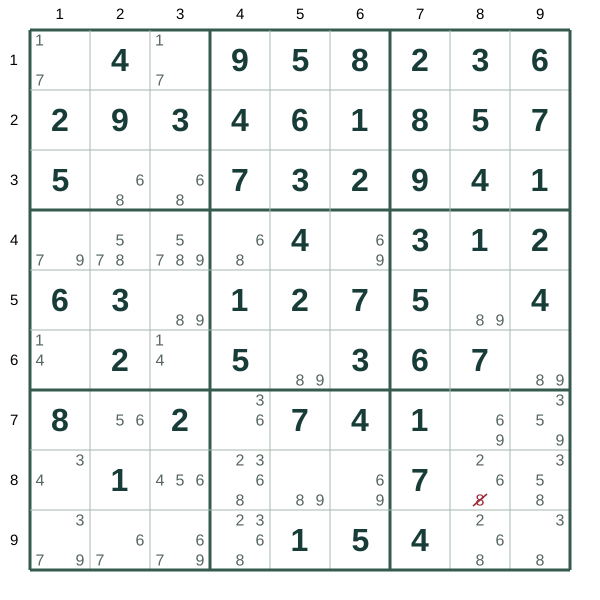
The marked cells form one Remote Pair coloring component using 8, 9. Round A and square B are its two opposite assignments. Keep the target R8C8=8 in view.
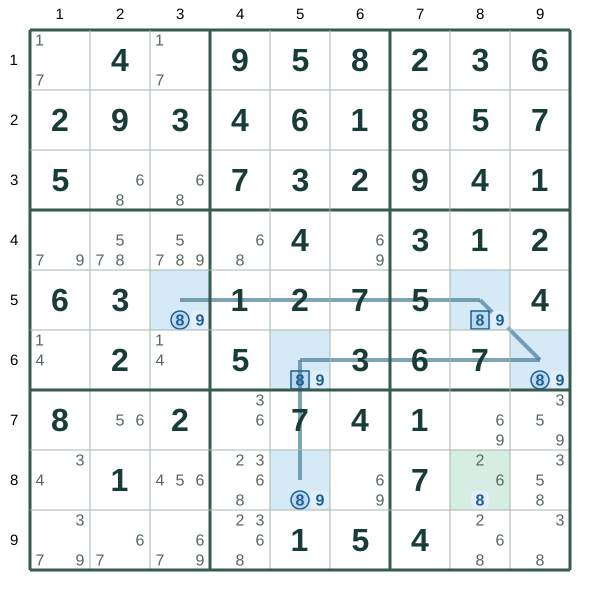
● 1A: R5C3=8, R6C9=8, R8C5=8
■ 1B: R5C8=8, R6C5=8
Step 2 · Confirm the matching bivalue cells
Every chain cell—R5C3, R6C9, R8C5, R5C8, R6C5—has exactly the same two candidates: 8, 9.
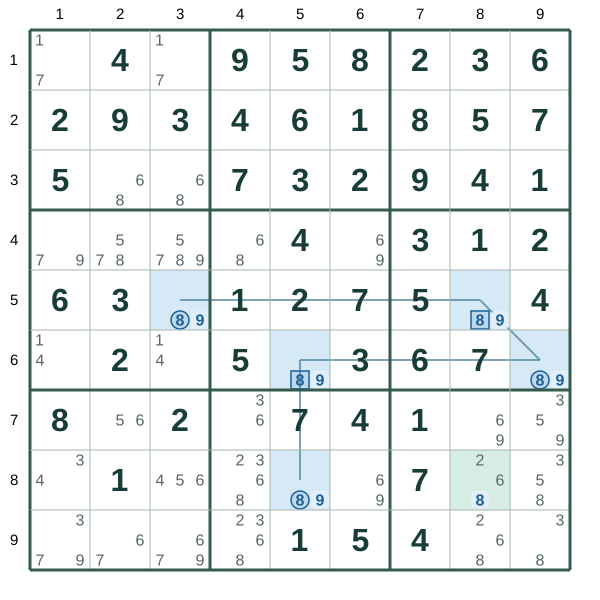
● 1A: R5C3=8, R6C9=8, R8C5=8
■ 1B: R5C8=8, R6C5=8
Step 3 · Follow the alternating chain
Along the selected continuous path, connected cells see each other and must swap 8, 9. Round A and square B therefore alternate as opposite states within the same component.
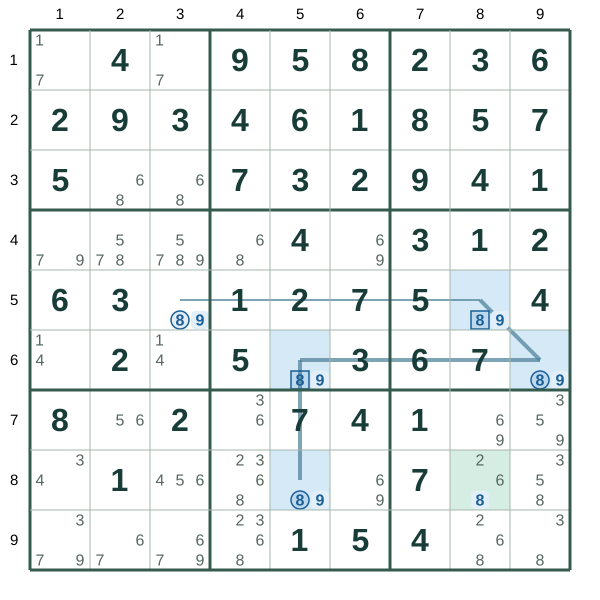
● 1A: R5C3=8, R6C9=8, R8C5=8
■ 1B: R5C8=8, R6C5=8
Step 4 · Case 1: A is 8, B is 9
A gives R8C5=8; B gives R5C8=9. The target R8C8=8 sees both digits in this assignment.
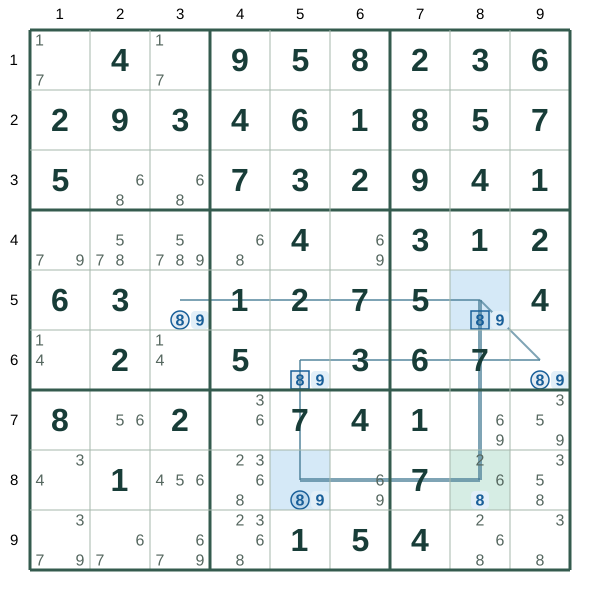
● 1A: R5C3=8, R6C9=8, R8C5=8
■ 1B: R5C8=8, R6C5=8
Step 5 · Case 2: A is 9, B is 8
A gives R8C5=9; B gives R5C8=8. The target R8C8=8 sees both digits in this assignment.
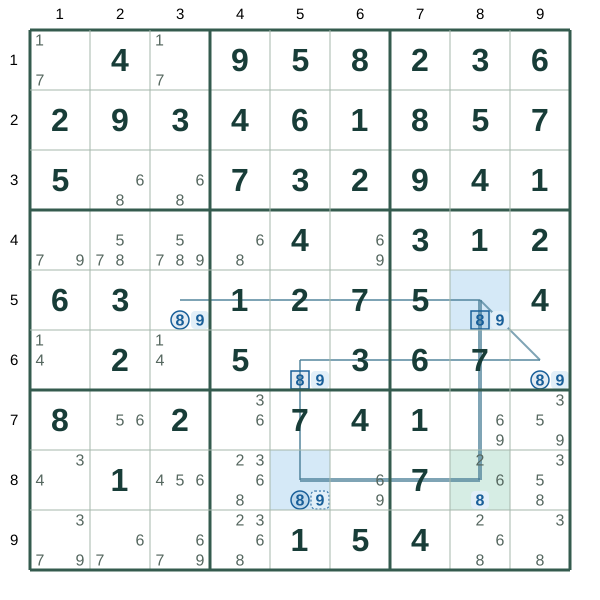
● 1A: R5C3=8, R6C9=8, R8C5=8
■ 1B: R5C8=8, R6C5=8
Step 6 · Remove the remote pair from the target
Both possible assignments put one pair digit at each witness, so remove R8C8=8.
● 1A: R5C3=8, R6C9=8, R8C5=8
■ 1B: R5C8=8, R6C5=8
What it allows
Both possible assignments put one pair digit at each witness, so remove R8C8=8.
Step-by-step example · Long branch
This example starts from a saved intermediate position. Its candidates include earlier logical eliminations; they are not fresh automatic notes.
Blue: evidence. Green: conclusion. Crossed-out digits: eliminated candidates. R1C1 means row 1, column 1.
Step 1 · This is a Remote Pair
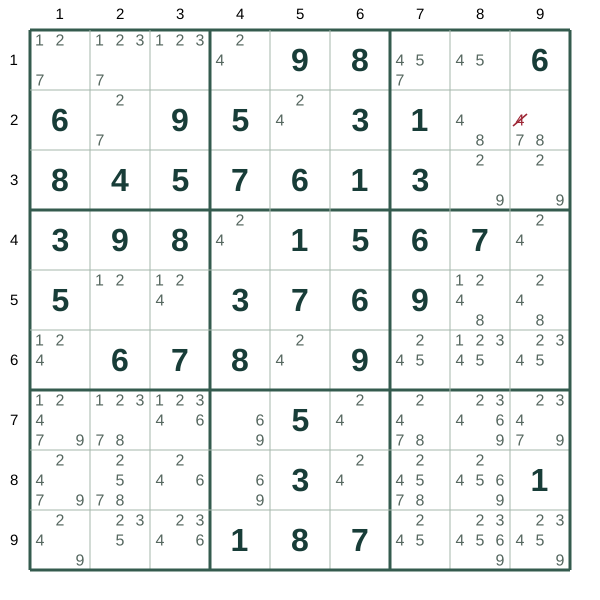
The marked cells form one Remote Pair coloring component using 2, 4. Round A and square B are its two opposite assignments. Keep the target R2C9=4 in view.
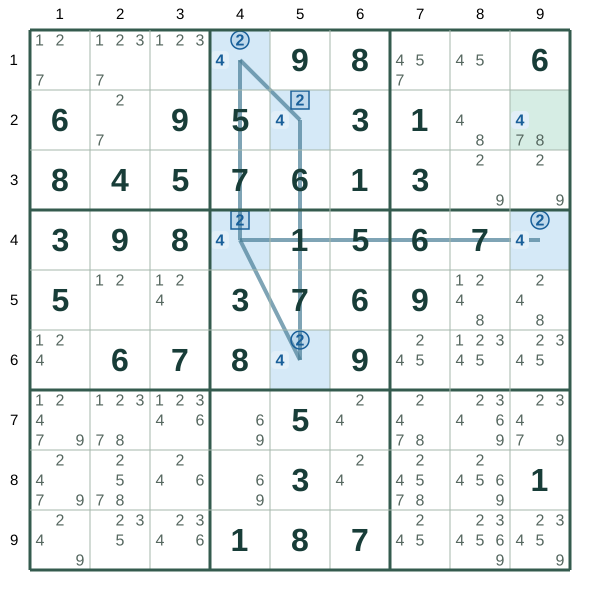
● 1A: R1C4=2, R6C5=2, R4C9=2
■ 1B: R2C5=2, R4C4=2
Step 2 · Confirm the matching bivalue cells
Every chain cell—R1C4, R6C5, R4C9, R2C5, R4C4—has exactly the same two candidates: 2, 4.
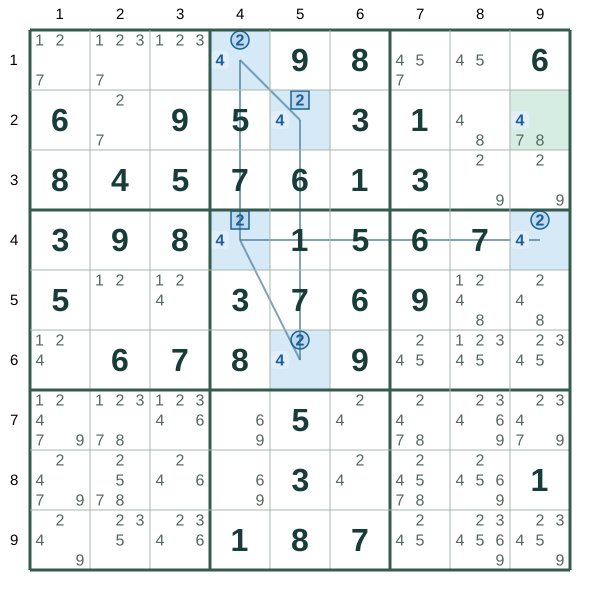
● 1A: R1C4=2, R6C5=2, R4C9=2
■ 1B: R2C5=2, R4C4=2
Step 3 · Follow the alternating chain
Along the selected continuous path, connected cells see each other and must swap 2, 4. Round A and square B therefore alternate as opposite states within the same component.
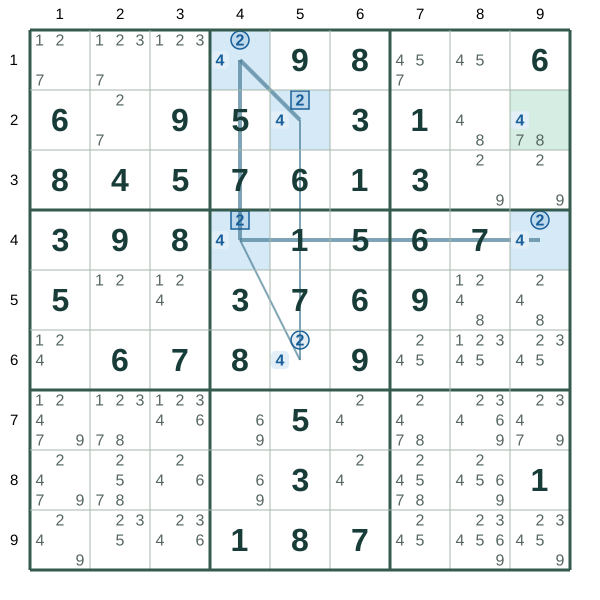
● 1A: R1C4=2, R6C5=2, R4C9=2
■ 1B: R2C5=2, R4C4=2
Step 4 · Case 1: A is 2, B is 4
A gives R4C9=2; B gives R2C5=4. The target R2C9=4 sees both digits in this assignment.
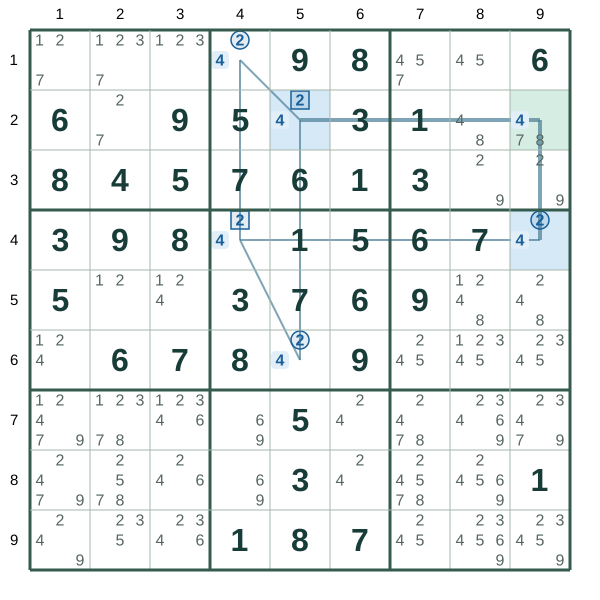
● 1A: R1C4=2, R6C5=2, R4C9=2
■ 1B: R2C5=2, R4C4=2
Step 5 · Case 2: A is 4, B is 2
A gives R4C9=4; B gives R2C5=2. The target R2C9=4 sees both digits in this assignment.
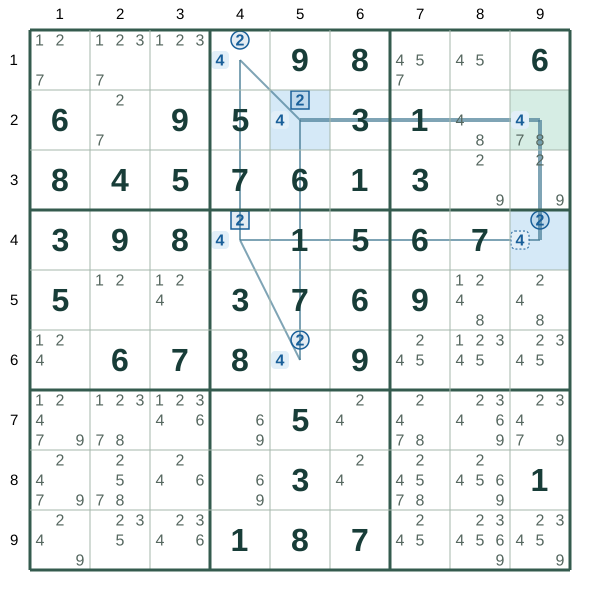
● 1A: R1C4=2, R6C5=2, R4C9=2
■ 1B: R2C5=2, R4C4=2
Step 6 · Remove the remote pair from the target
Both possible assignments put one pair digit at each witness, so remove R2C9=4.
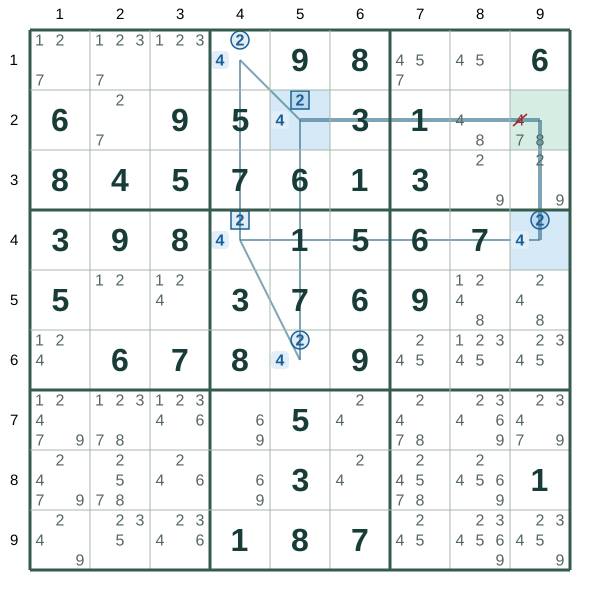
● 1A: R1C4=2, R6C5=2, R4C9=2
■ 1B: R2C5=2, R4C4=2
What it allows
Both possible assignments put one pair digit at each witness, so remove R2C9=4.
Practice
This course is adapted from Platon Sudoku App. Read the complete example here, then continue learning and practising in the app.
View on Google Play