Platon Sudoku · Sudoku Study
Fish overview · Core Concepts
Fish techniques examine the positions of one digit. In the simplest X-Wing, two rows can place that digit only in the same two columns, so other rows cannot place it in those columns. The four candidates at the row-column intersections are the rectangle’s four corners.
This course is adapted from Platon Sudoku App. Read the complete example here, then continue learning and practising in the app.
View on Google PlayDefinition
Fish techniques examine the positions of one digit. In the simplest X-Wing, two rows can place that digit only in the same two columns, so other rows cannot place it in those columns. The four candidates at the row-column intersections are the rectangle’s four corners.
How to find it
Focus on one digit: choose two rows with exactly two positions each, both in the same two columns; then exchange rows and columns.
Common mistake
Check every candidate in the chosen rows, not just four attractive corners. Base and cover lines name these rows and columns; the following concepts explain them.
X-Wing · Row
Teaching board · local candidate diagram
Observe candidates
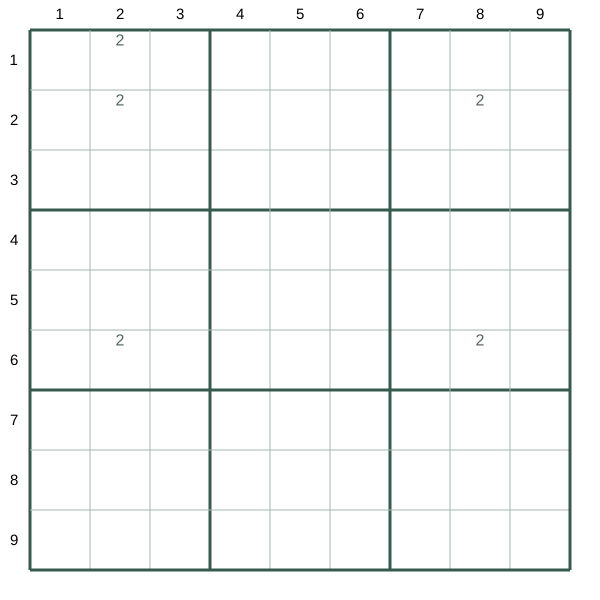
Look only at candidate 2, at r2c2, r2c8, r6c2, r6c8; the line names can wait.
Verify the condition
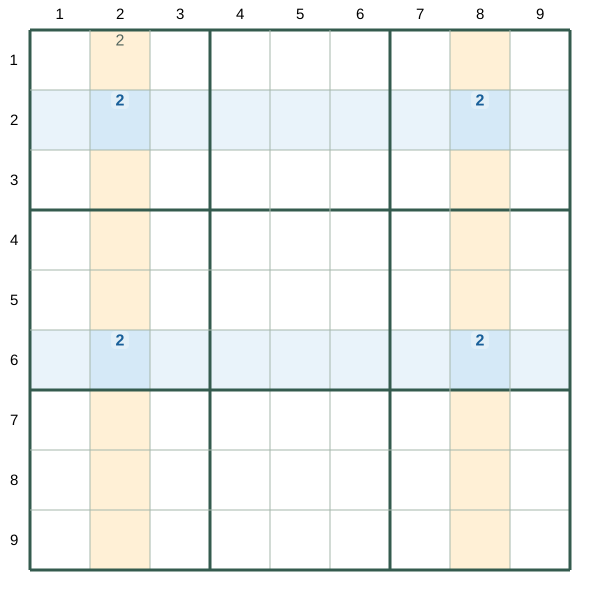
Each selected base, row 2, row 6, needs a 2, and all their 2s lie in column 2, column 8. Blue starting lines are called bases.
Draw the conclusion
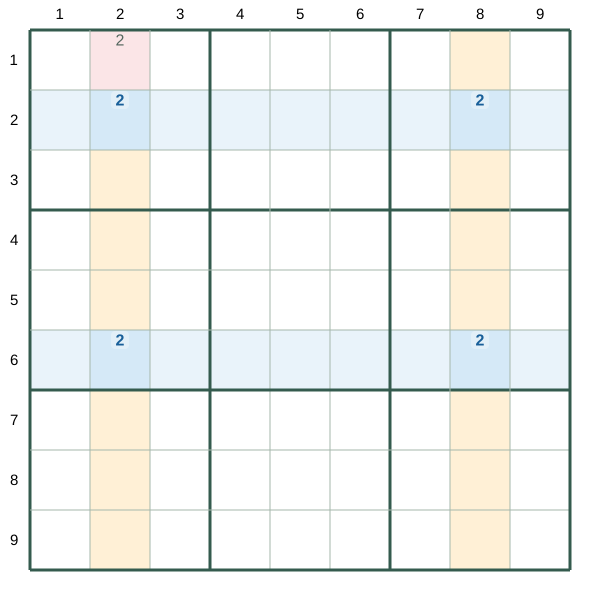
Amber crossing lines are called covers. The 2 bases need 2 copies of 2. No cover can contain two, so each cover is occupied by a base 2. The target r1c2 lies on a cover outside the bases and loses 2.
X-Wing · Column
Teaching board · local candidate diagram
Observe candidates
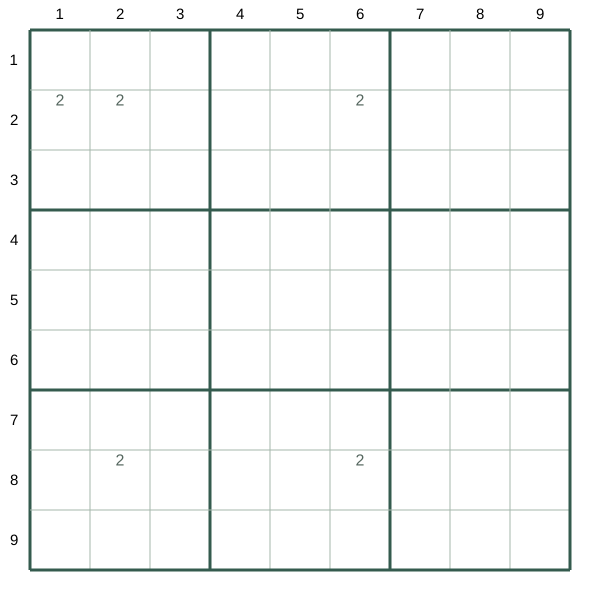
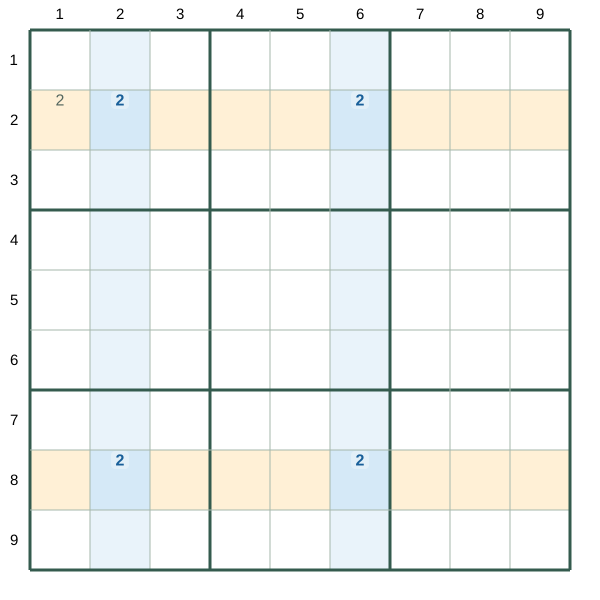
Look only at candidate 2, at r2c2, r8c2, r2c6, r8c6; the line names can wait.
Verify the condition
Each selected base, column 2, column 6, needs a 2, and all their 2s lie in row 2, row 8. Blue starting lines are called bases.
Draw the conclusion
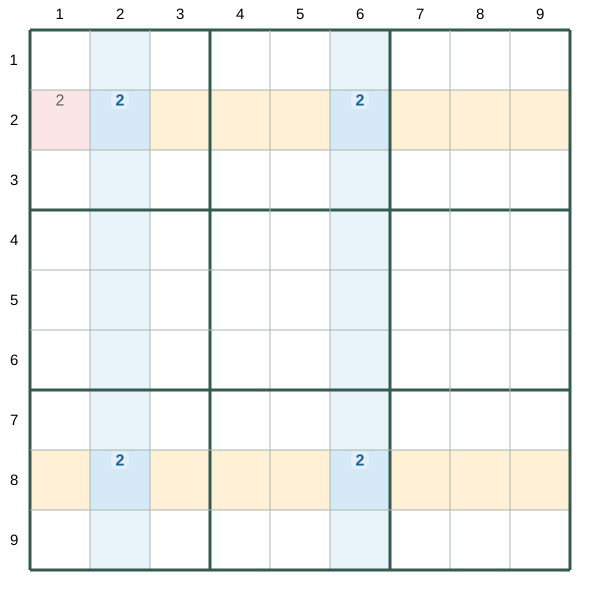
Amber crossing lines are called covers. The 2 bases need 2 copies of 2. No cover can contain two, so each cover is occupied by a base 2. The target r2c1 lies on a cover outside the bases and loses 2.
Recognition practice
Teaching board · local candidate diagram
Recognition practice 1
Are all candidates in the selected base lines confined to an equal number of cover lines?
Draw the conclusion
Yes
Recognition practice 2
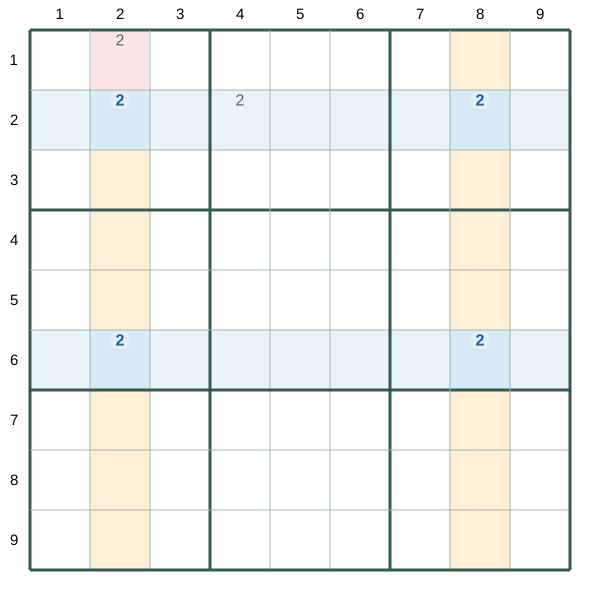
Are all candidates in the selected base lines confined to an equal number of cover lines?
Draw the conclusion
No
Recognition practice 3
Are all candidates in the selected base lines confined to an equal number of cover lines?
Draw the conclusion
Yes
Recognition practice 4
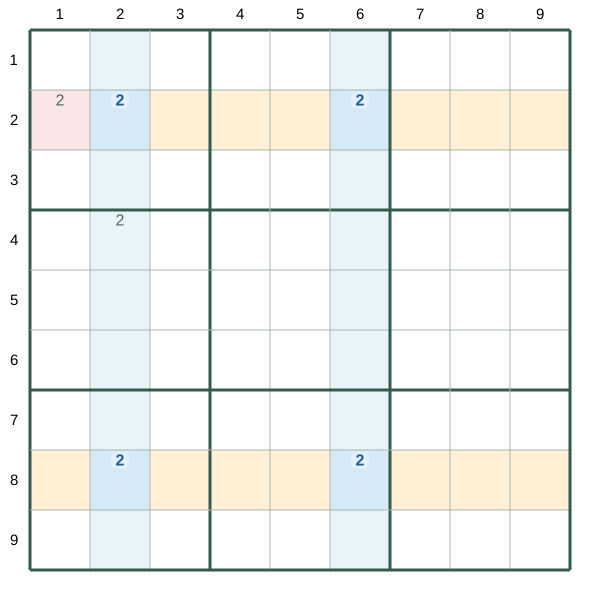
Are all candidates in the selected base lines confined to an equal number of cover lines?
Draw the conclusion
No
Recognition practice 5
Are all candidates in the selected base lines confined to an equal number of cover lines?
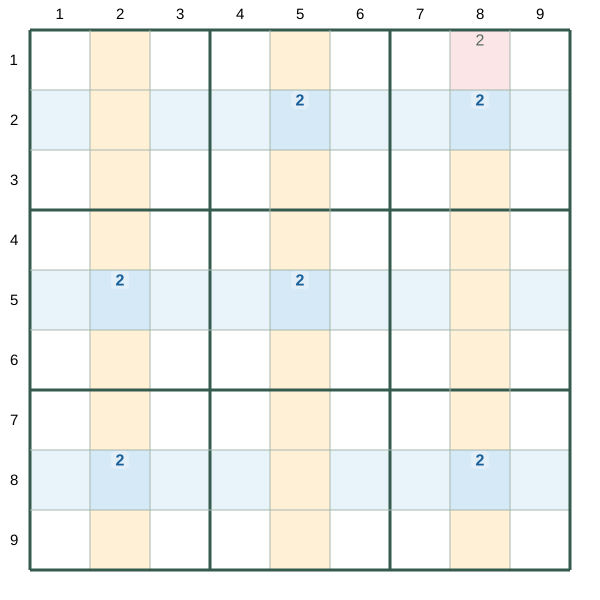
Draw the conclusion
Yes
Recognition practice 6
Are all candidates in the selected base lines confined to an equal number of cover lines?
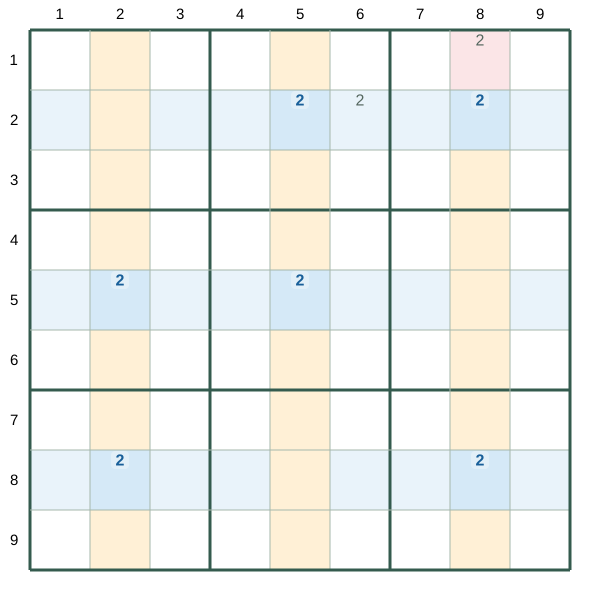
Draw the conclusion
No
Recognition practice 7
Are all candidates in the selected base lines confined to an equal number of cover lines?
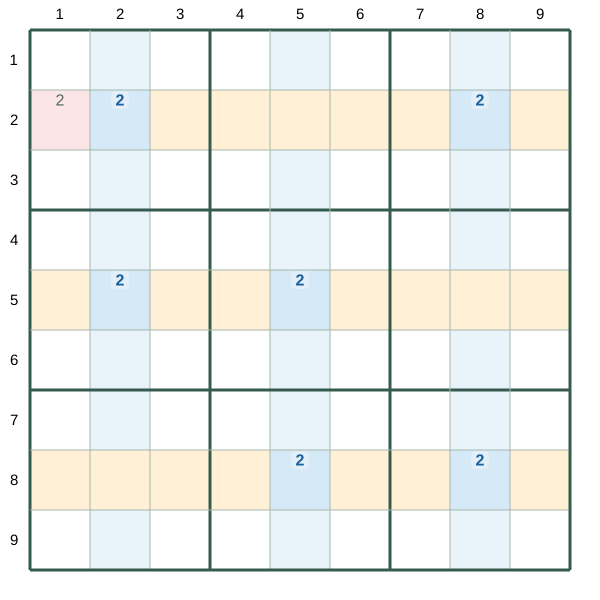
Draw the conclusion
Yes
Recognition practice 8
Are all candidates in the selected base lines confined to an equal number of cover lines?
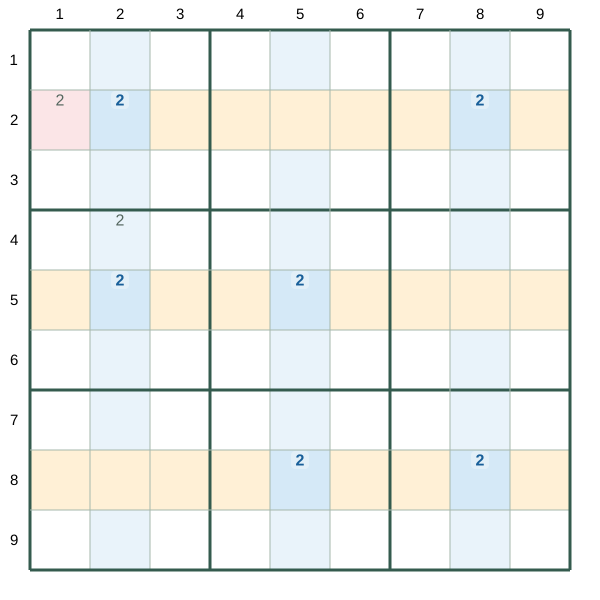
Draw the conclusion
No
Recognition practice 9
Are all candidates in the selected base lines confined to an equal number of cover lines?
Draw the conclusion
Yes
Recognition practice 10
Are all candidates in the selected base lines confined to an equal number of cover lines?
Draw the conclusion
No
Recognition practice 11
Are all candidates in the selected base lines confined to an equal number of cover lines?
Draw the conclusion
Yes
Recognition practice 12
Are all candidates in the selected base lines confined to an equal number of cover lines?
Draw the conclusion
No
Practice
This course is adapted from Platon Sudoku App. Read the complete example here, then continue learning and practising in the app.
View on Google Play